
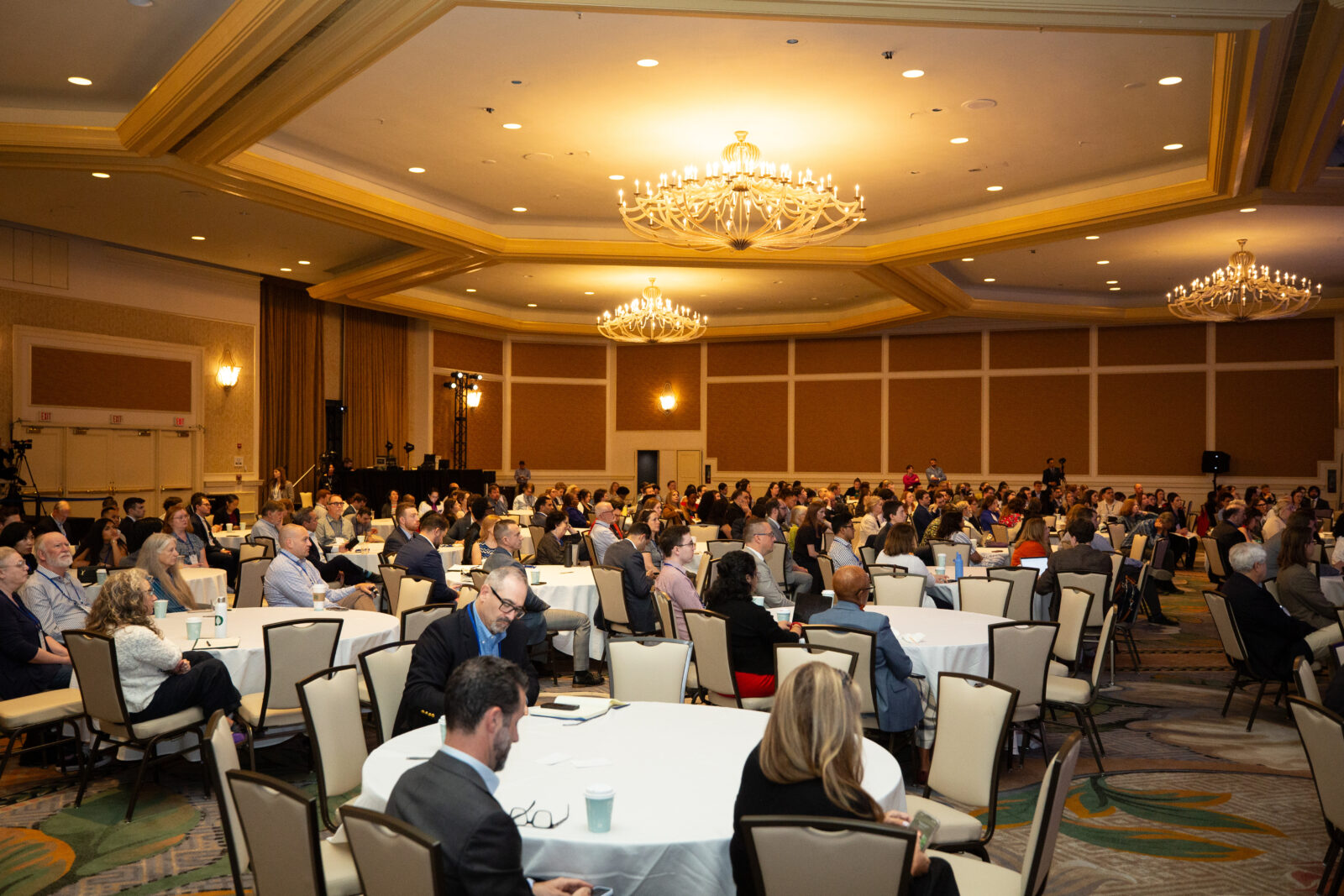
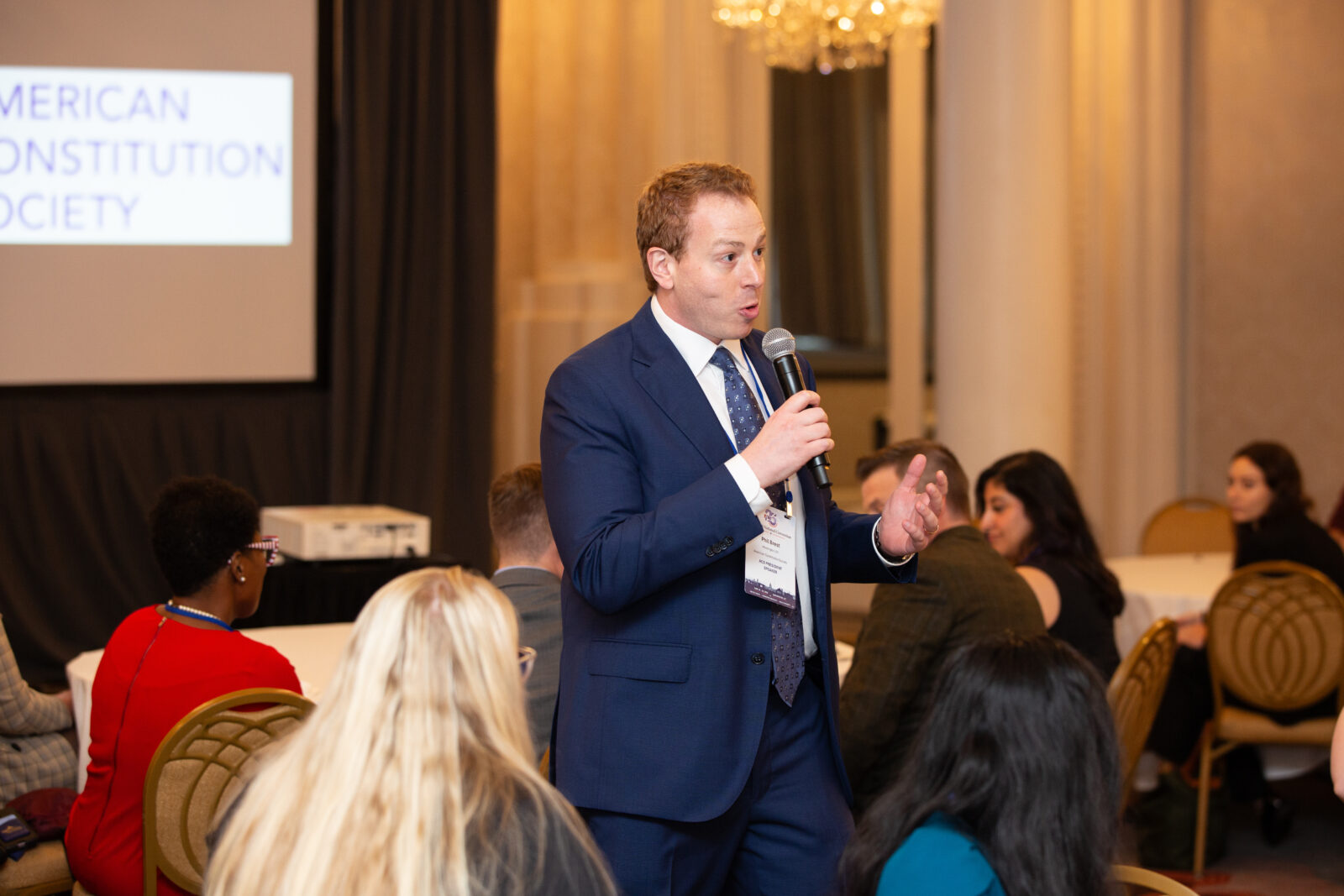
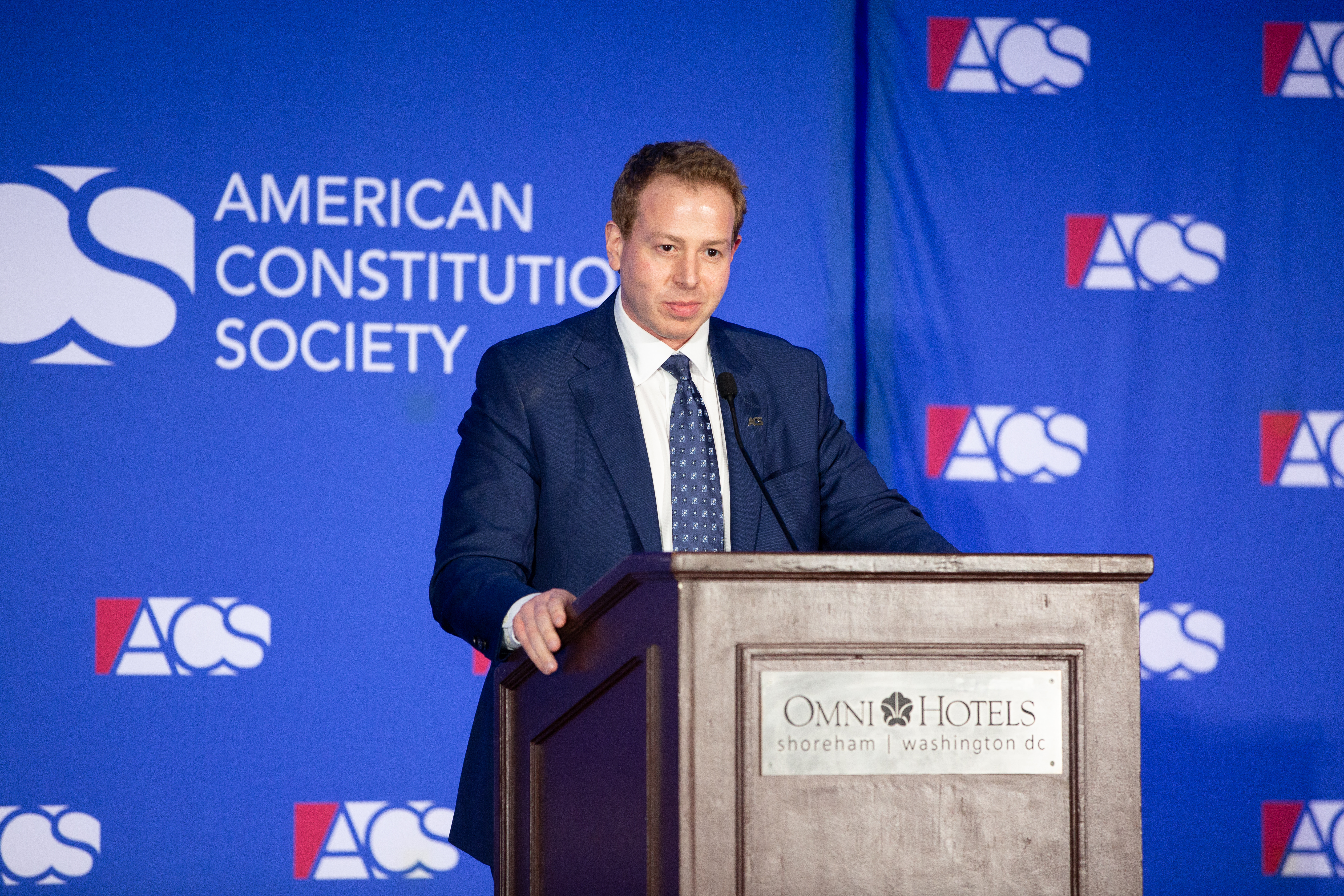
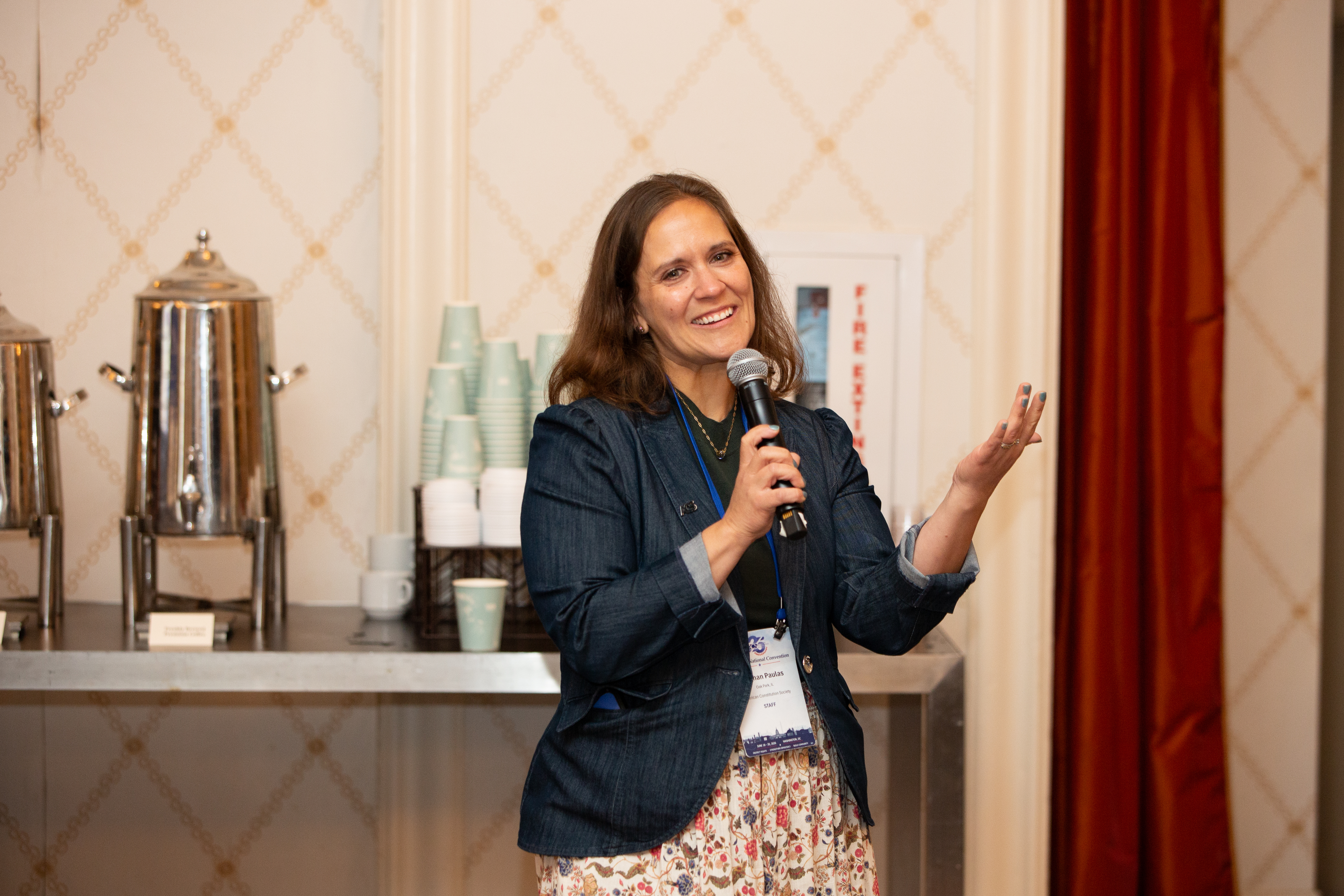
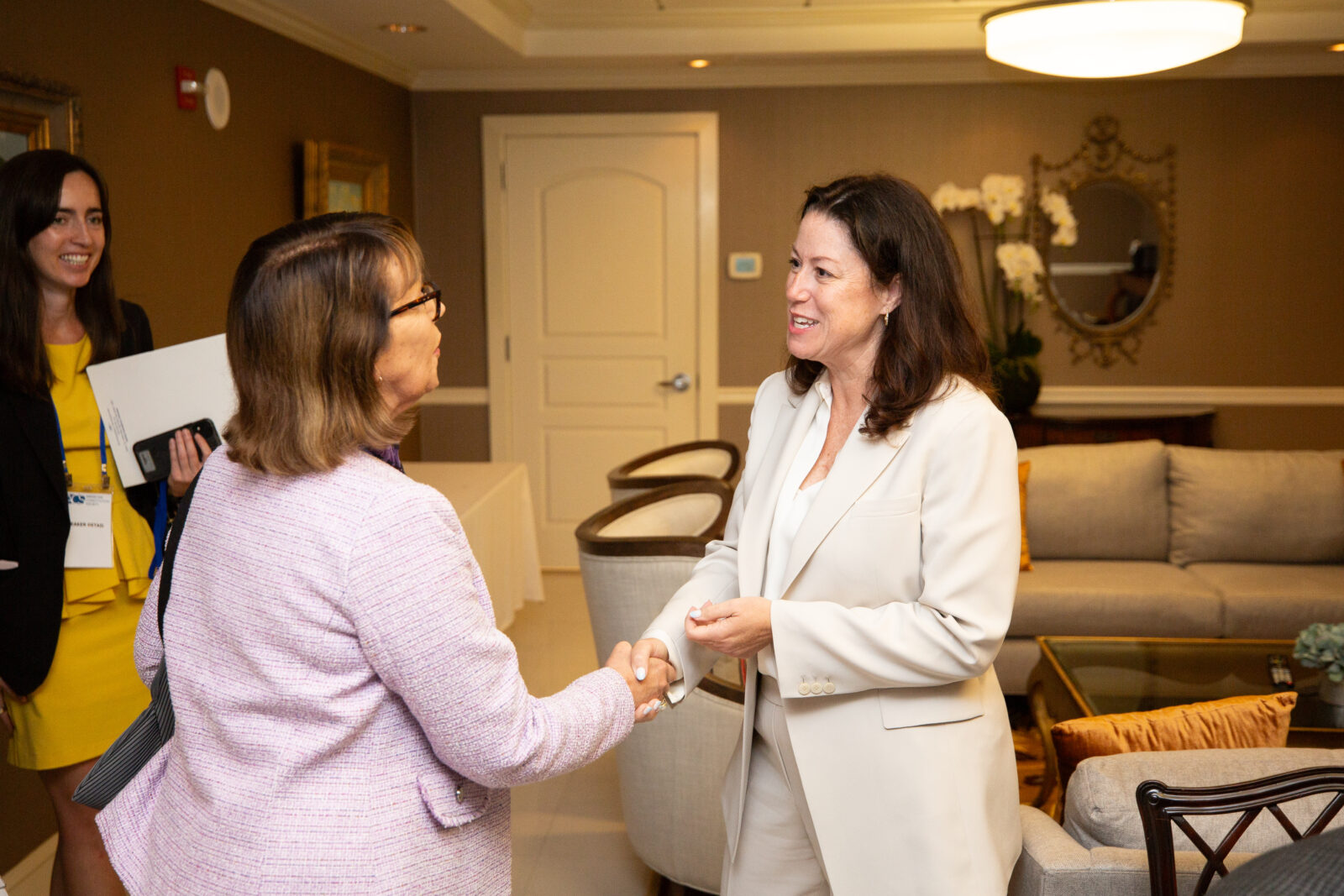
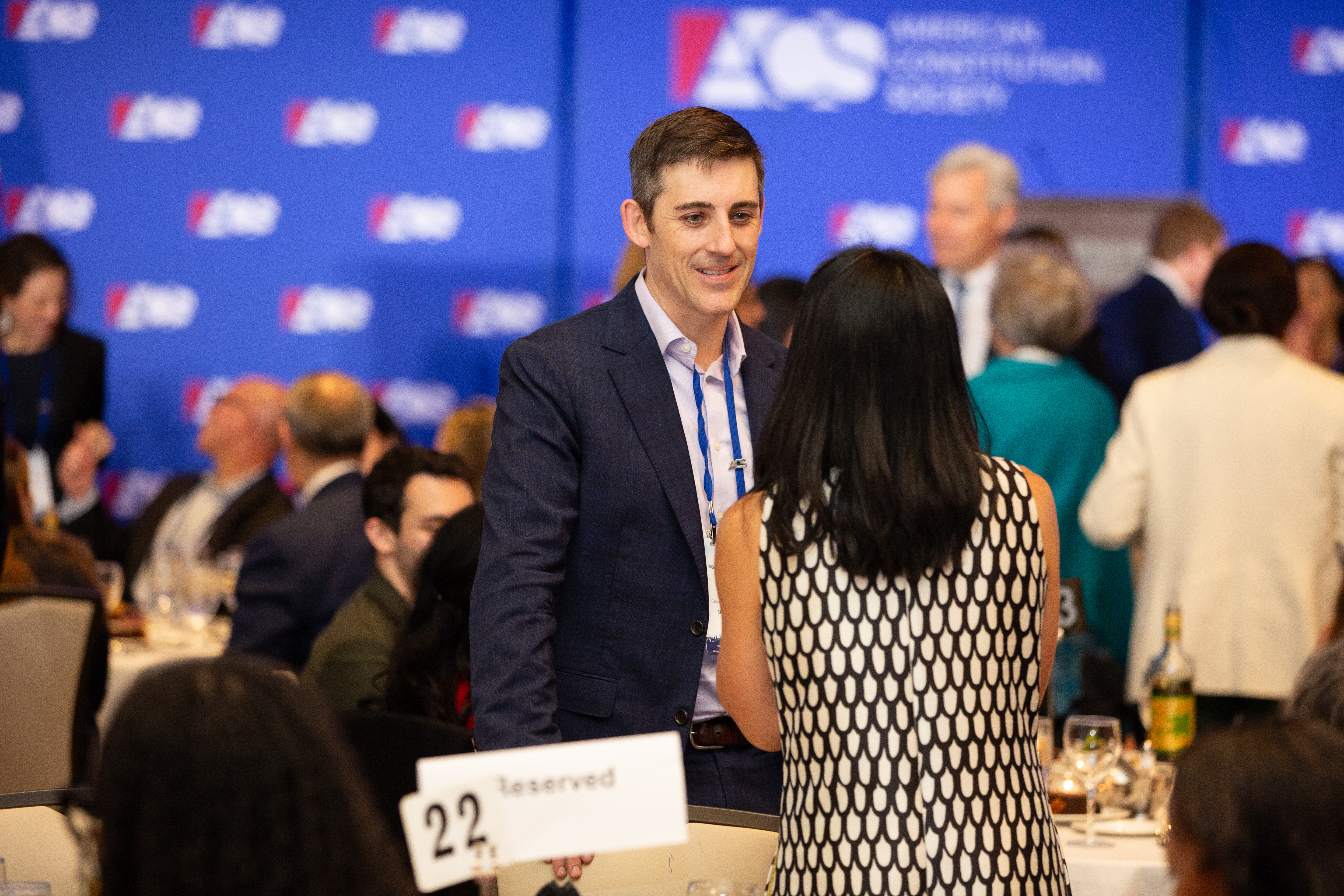
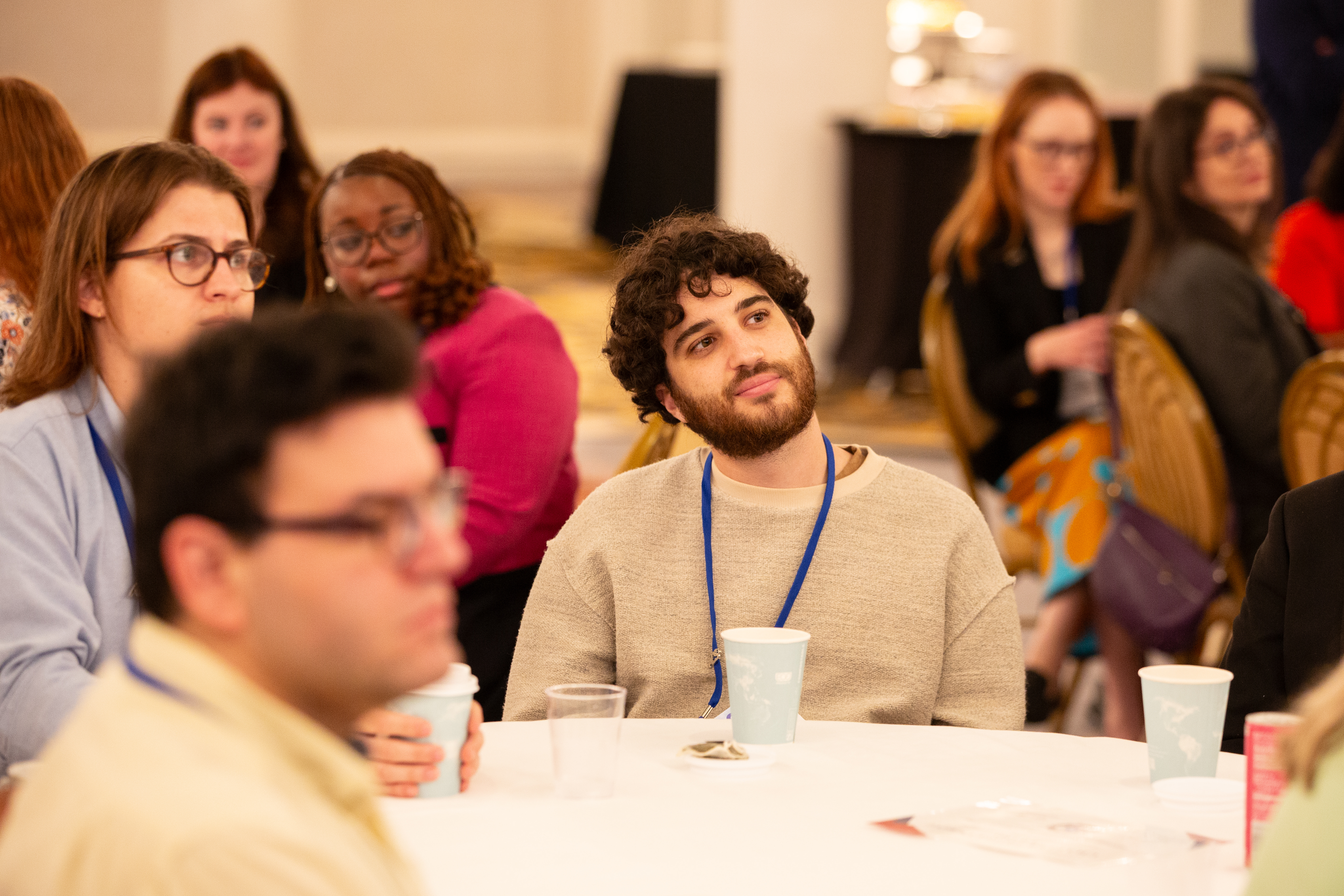
The American Constitution Society celebrated our 25th Anniversary and welcomed new ACS President Phil Brest for the premier progressive legal gathering of the year, June 18-20, at the Omni Shoreham Hotel in Washington, DC.
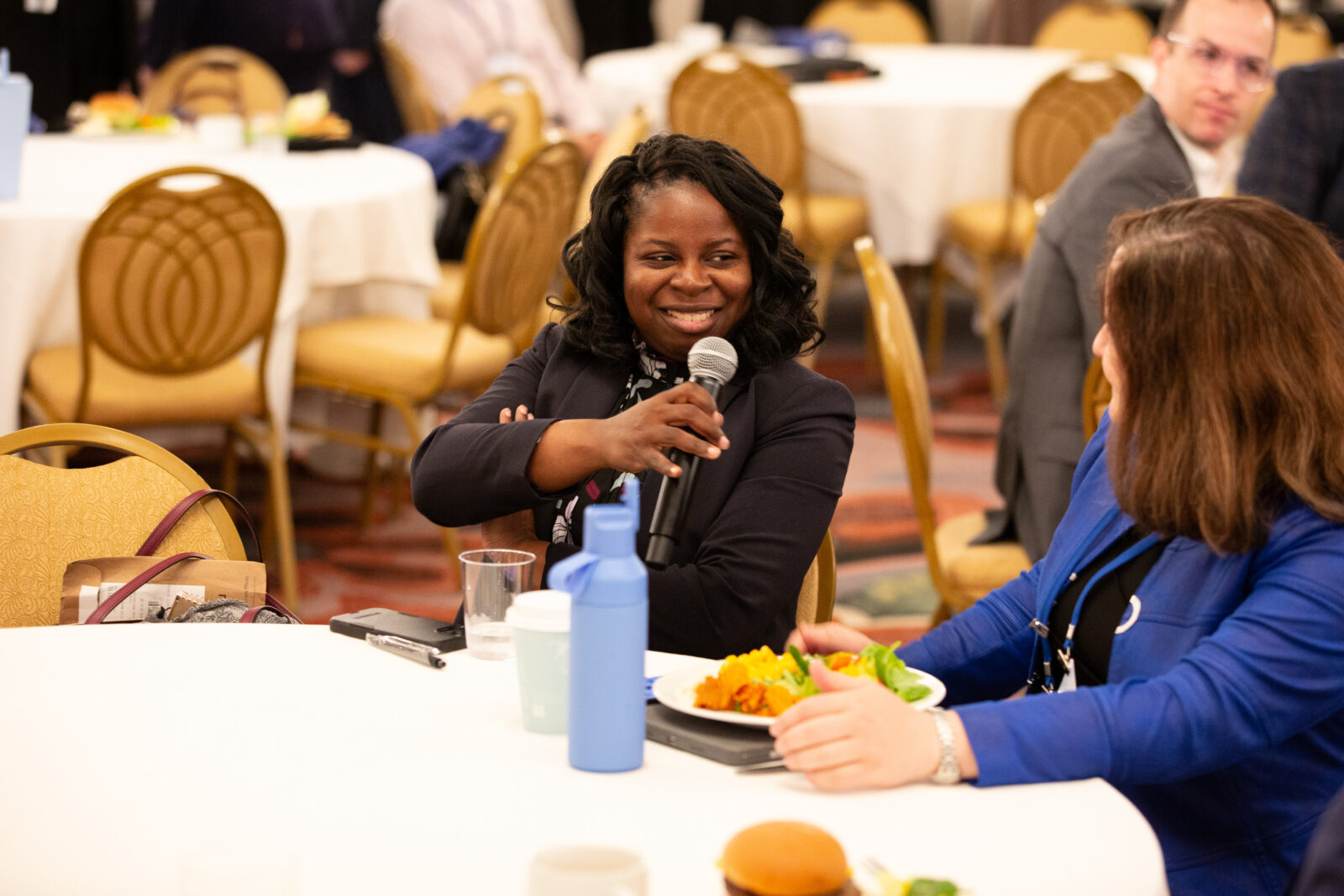
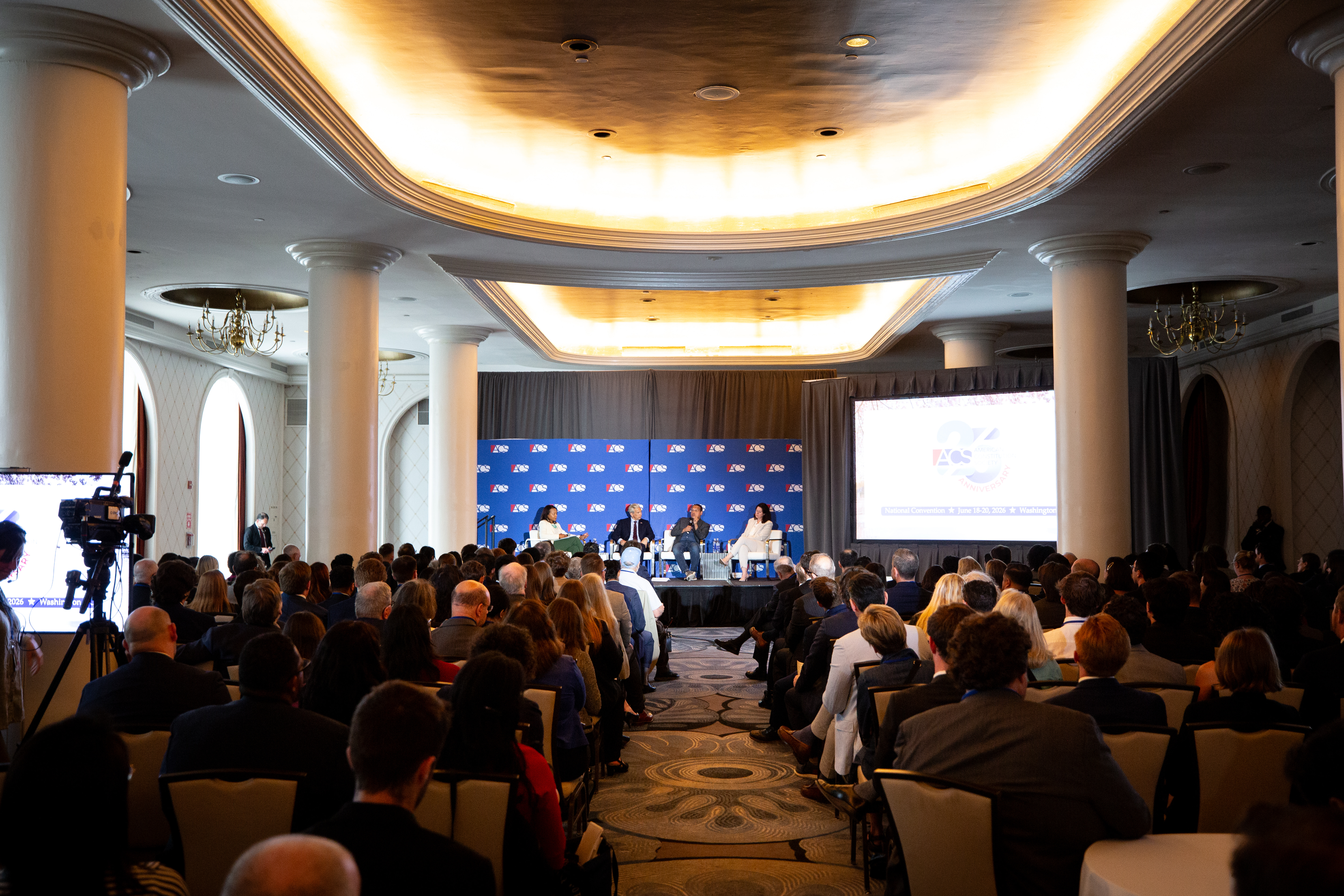
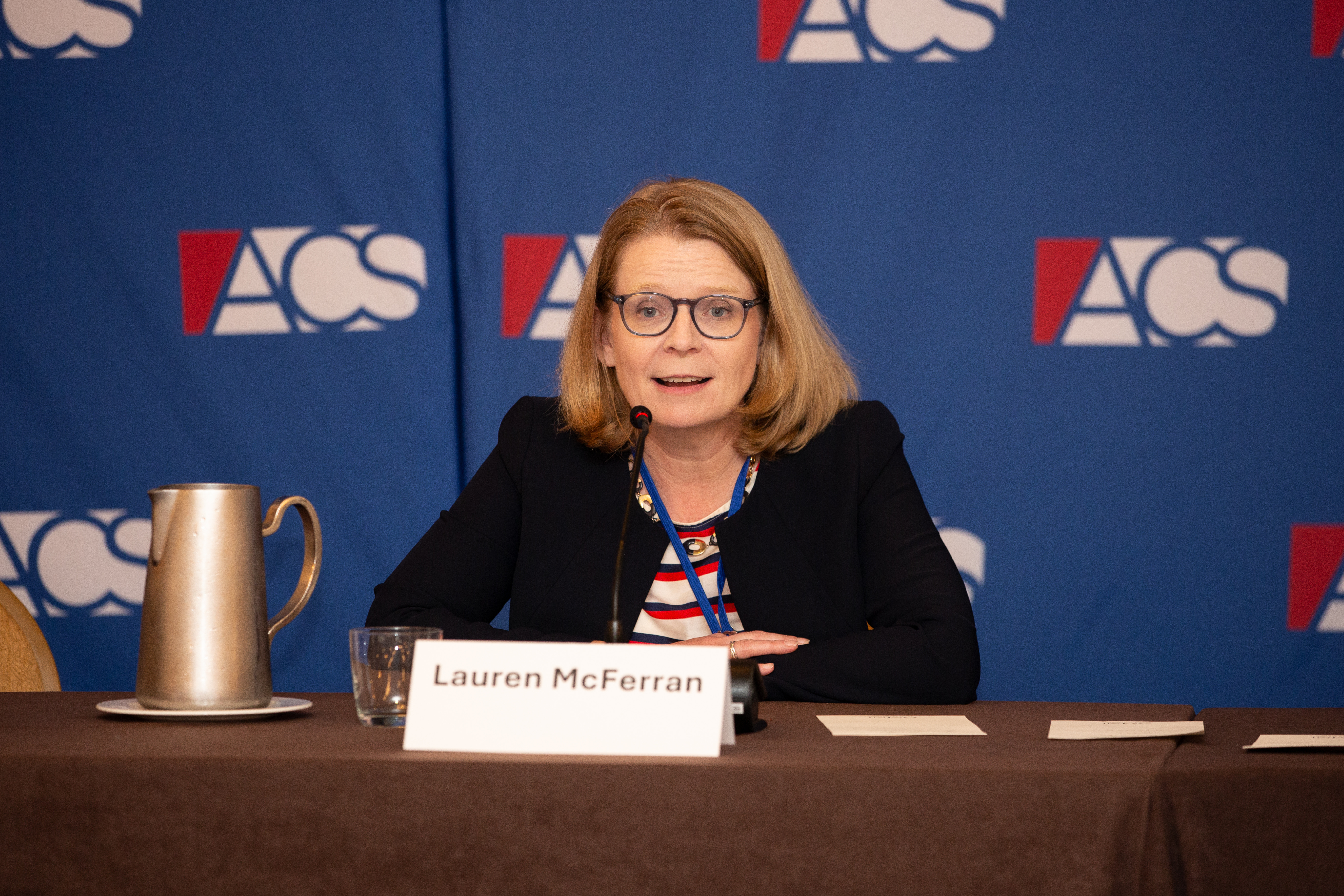
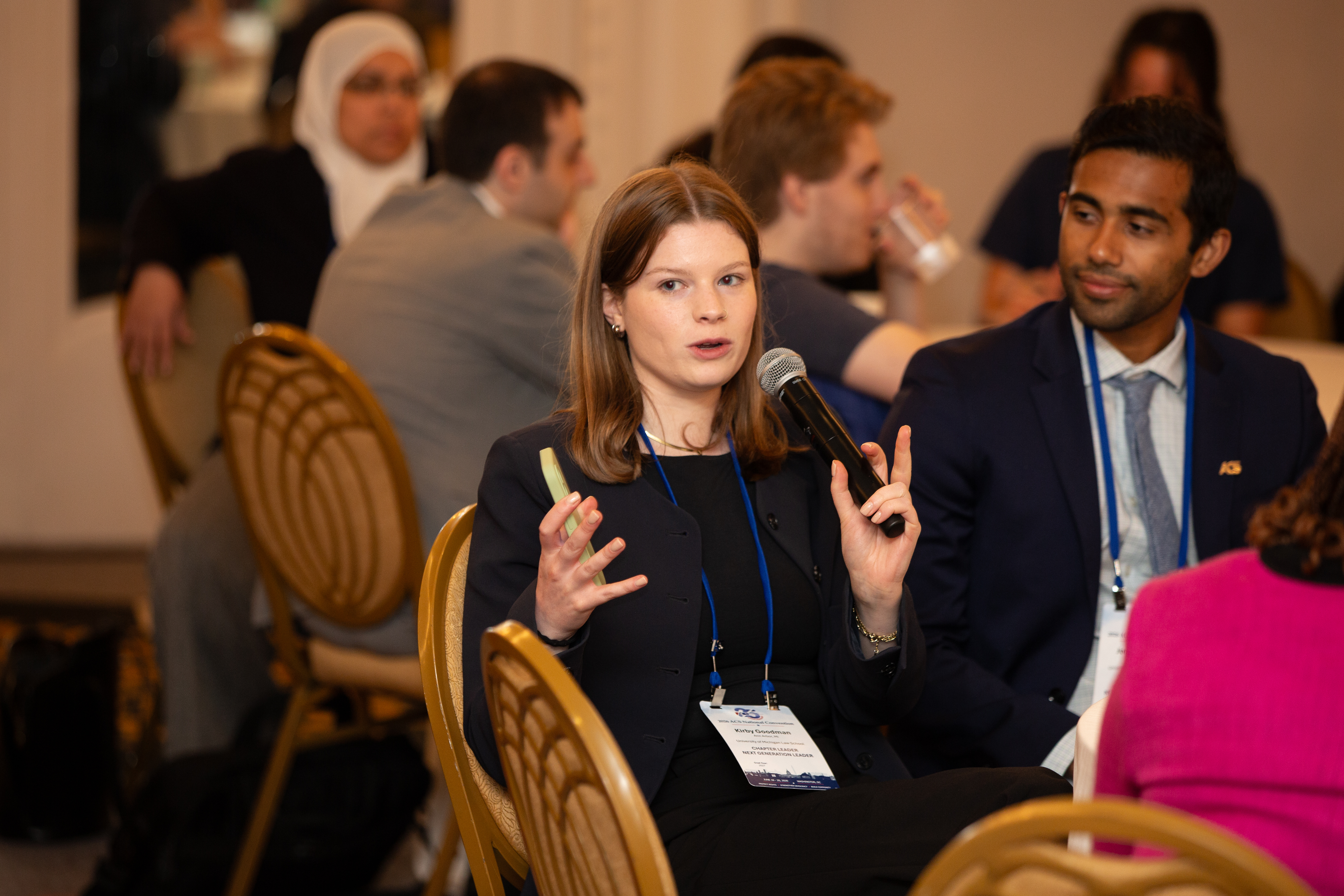
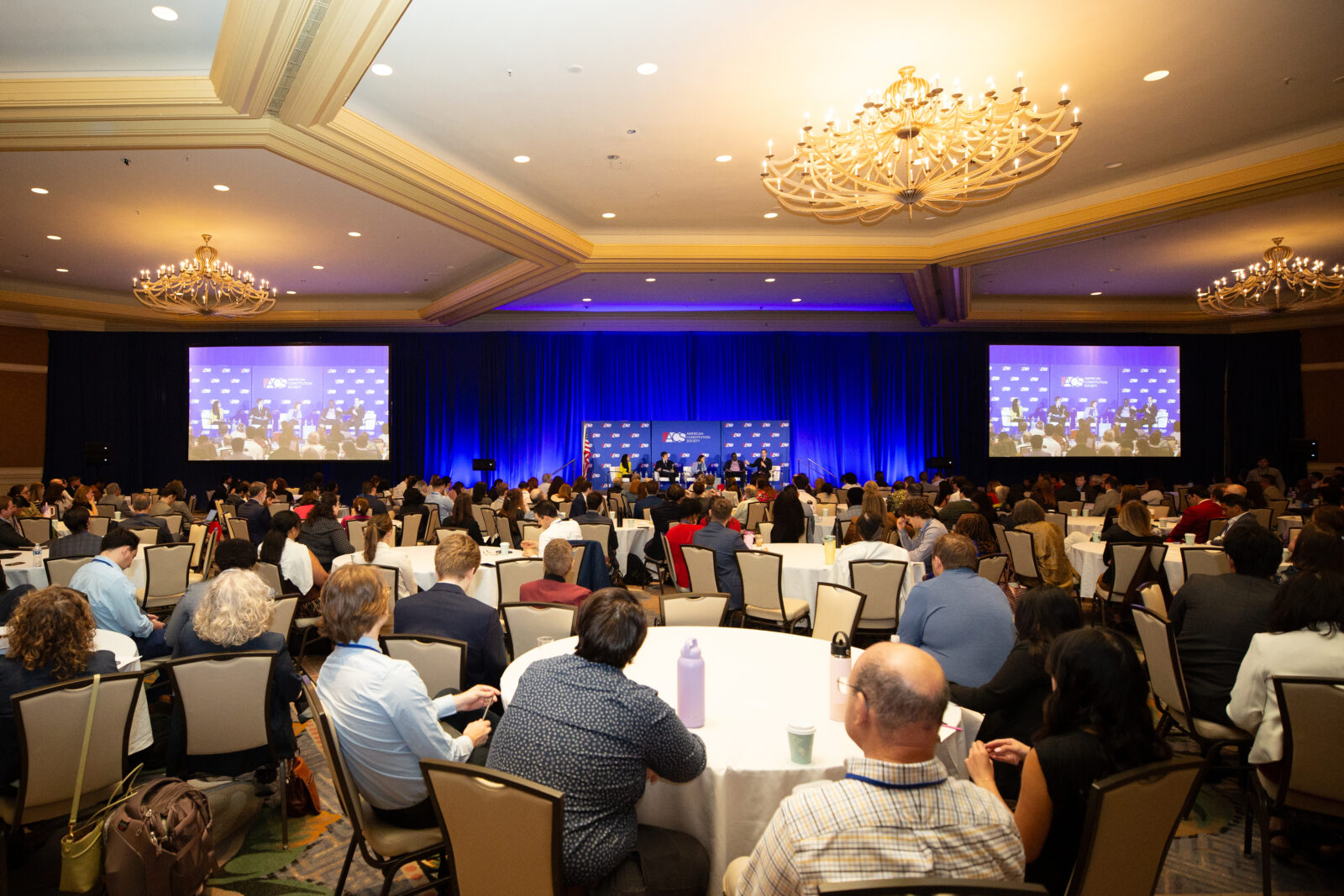
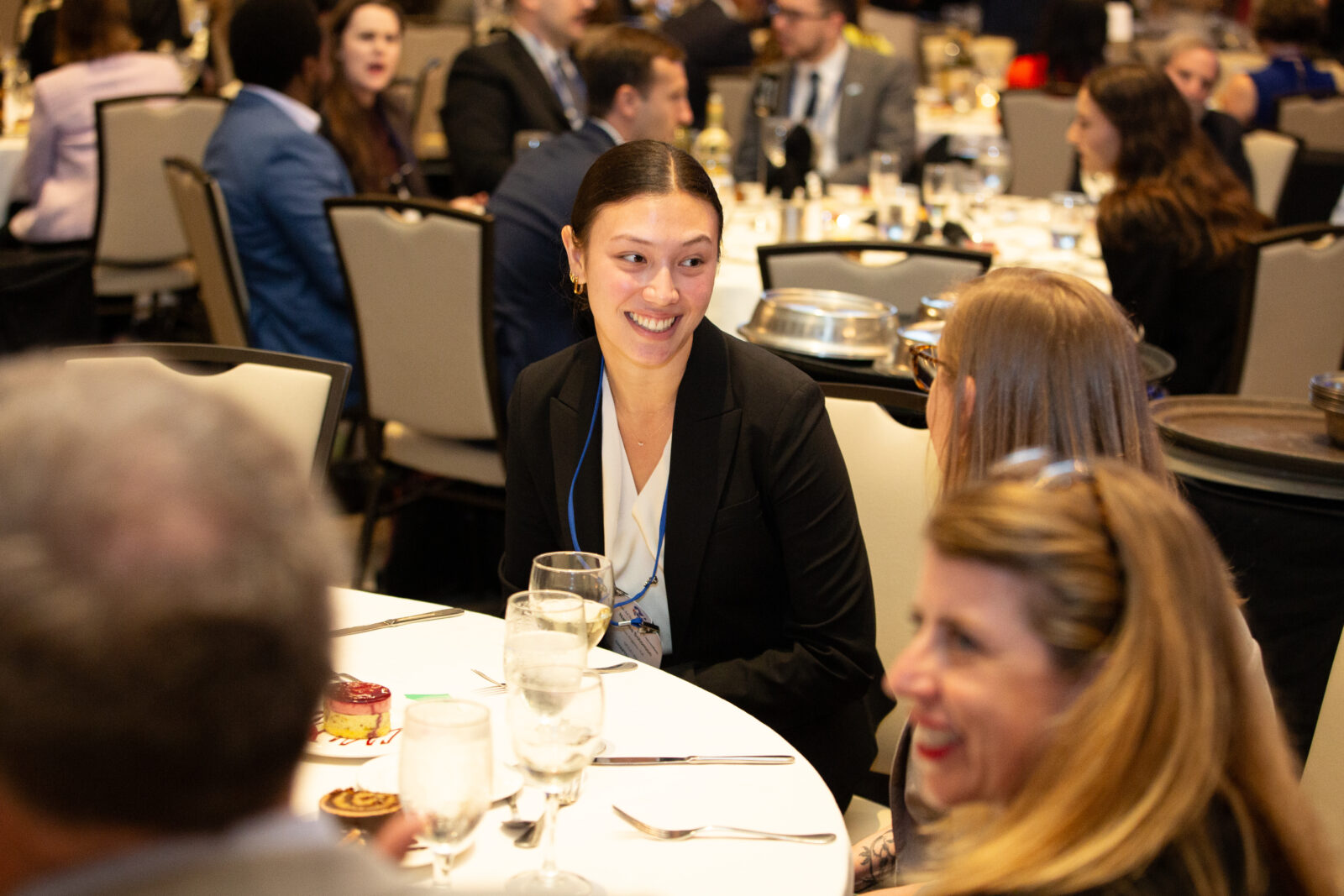
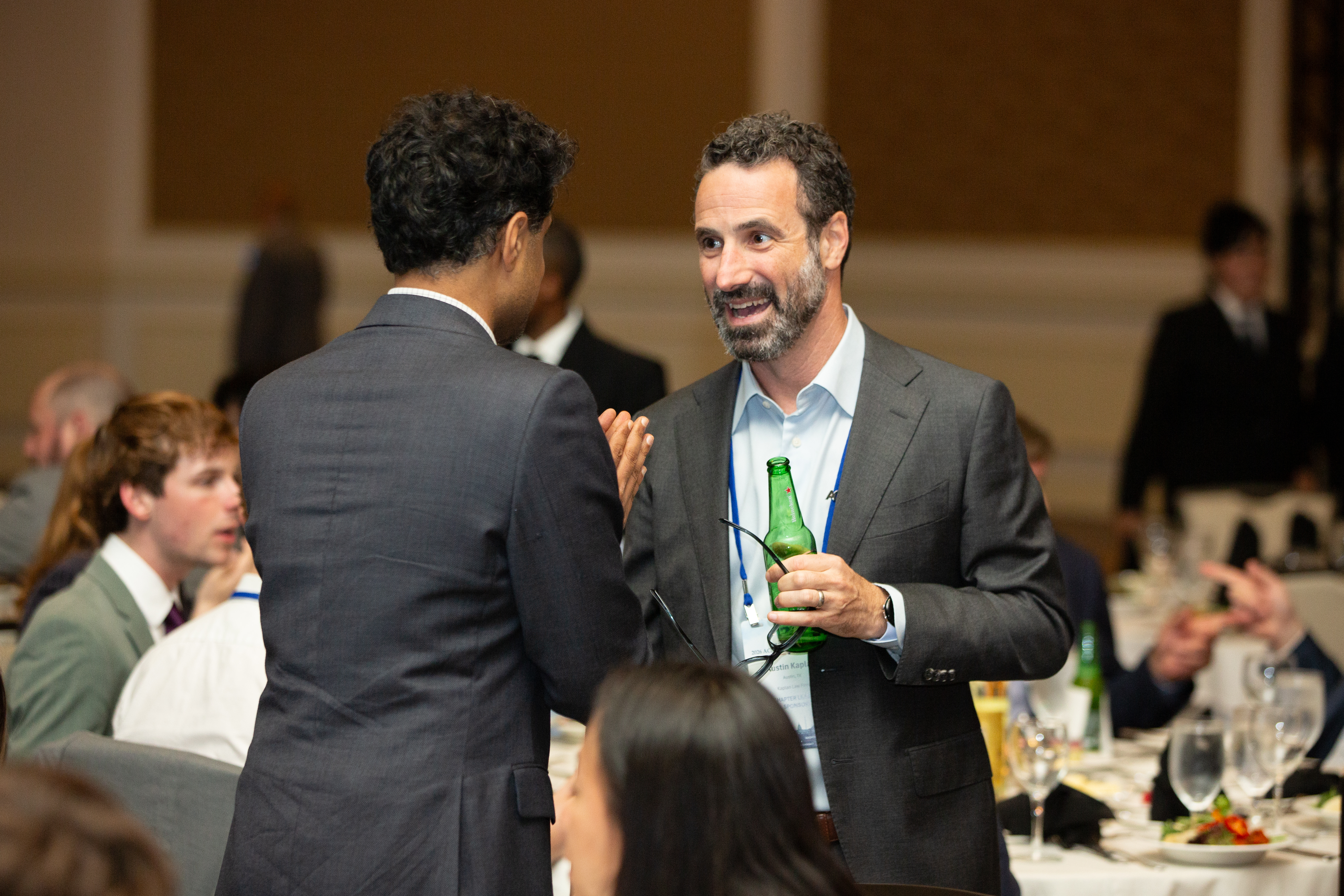
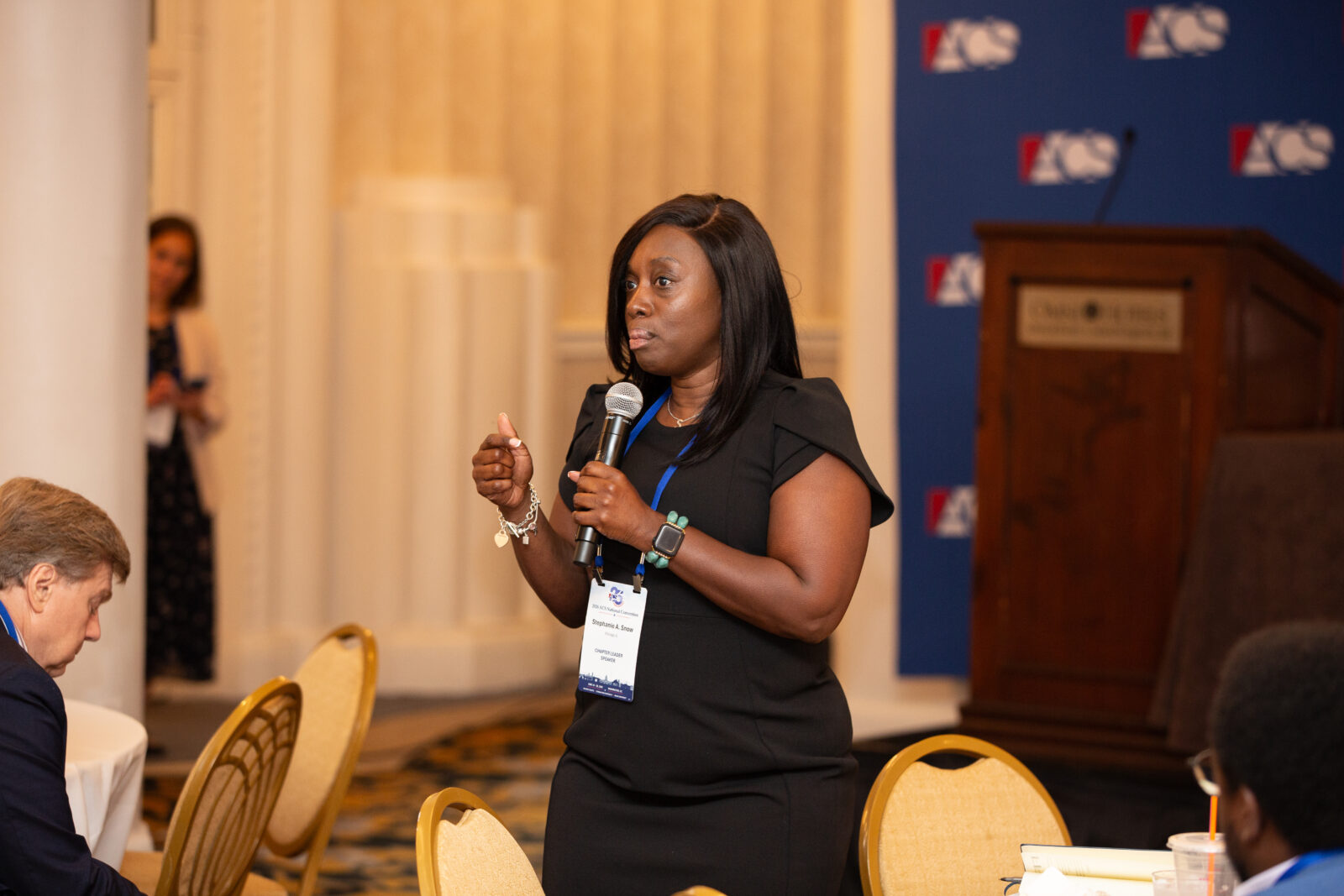
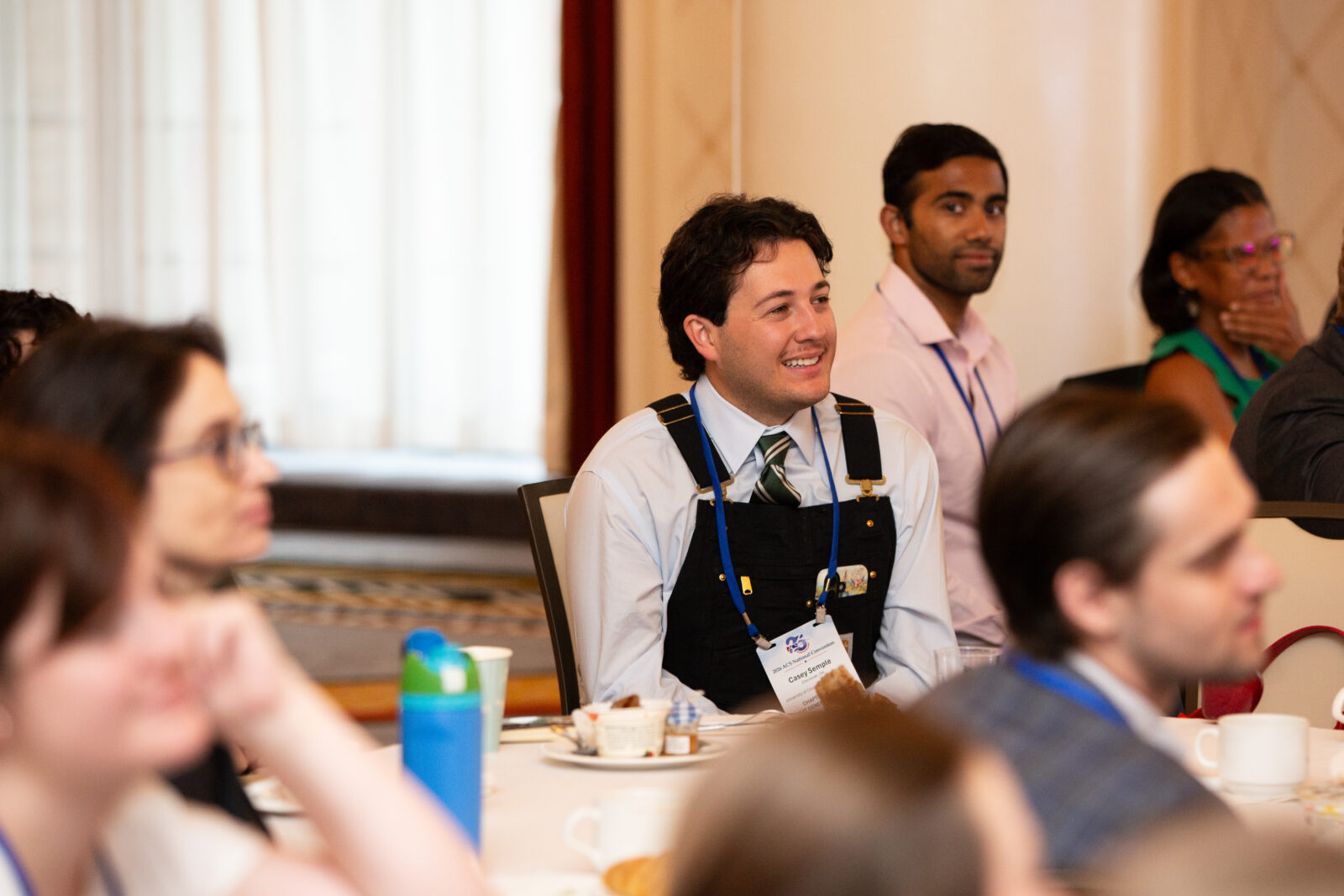
The 2026 ACS National Convention brought together lawyers, law students, judges, scholars, activists, and policymakers to address some of the most urgent and challenging issues confronting our nation. The three-day event featured dynamic programming, networking opportunities, and conversations with nationally recognized legal and policy experts.
Panel Videos
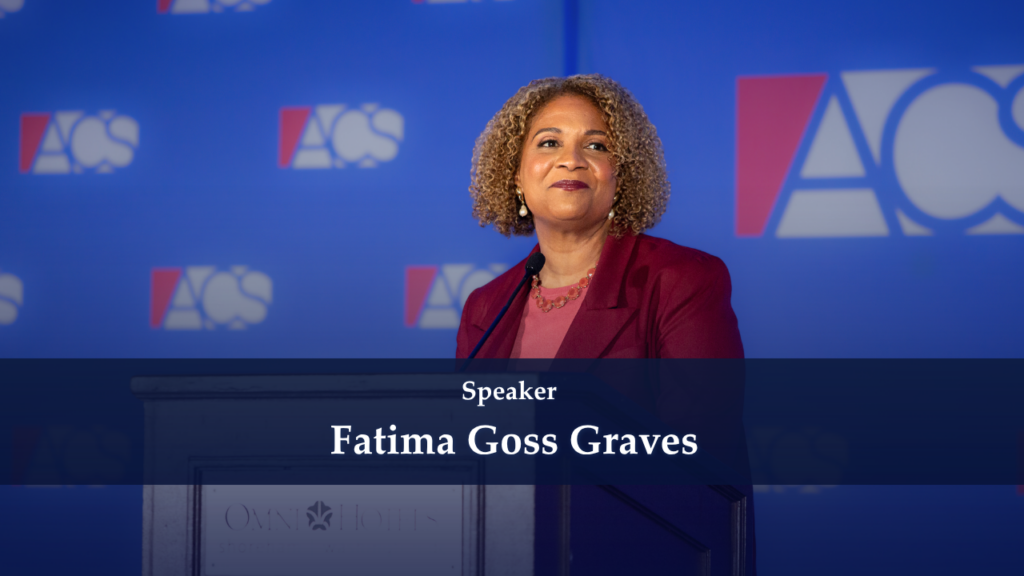
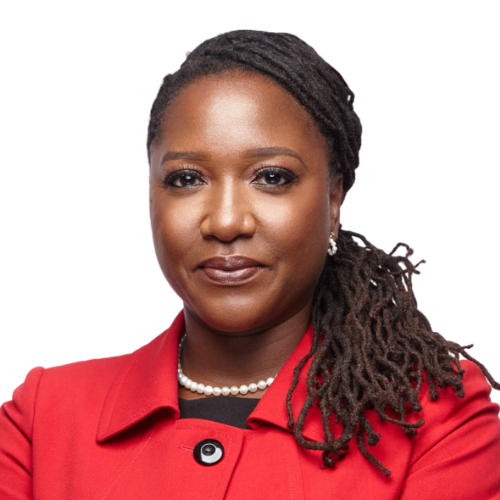
Fatima Goss Graves Lifetime Achievement Award Speech
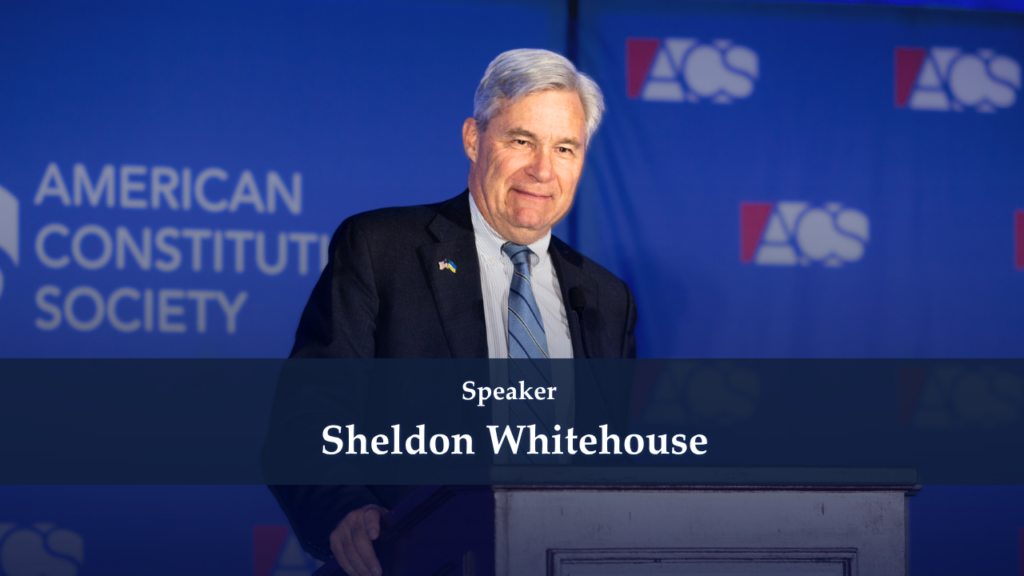
Featured Speaker Sen. Sheldon Whitehouse
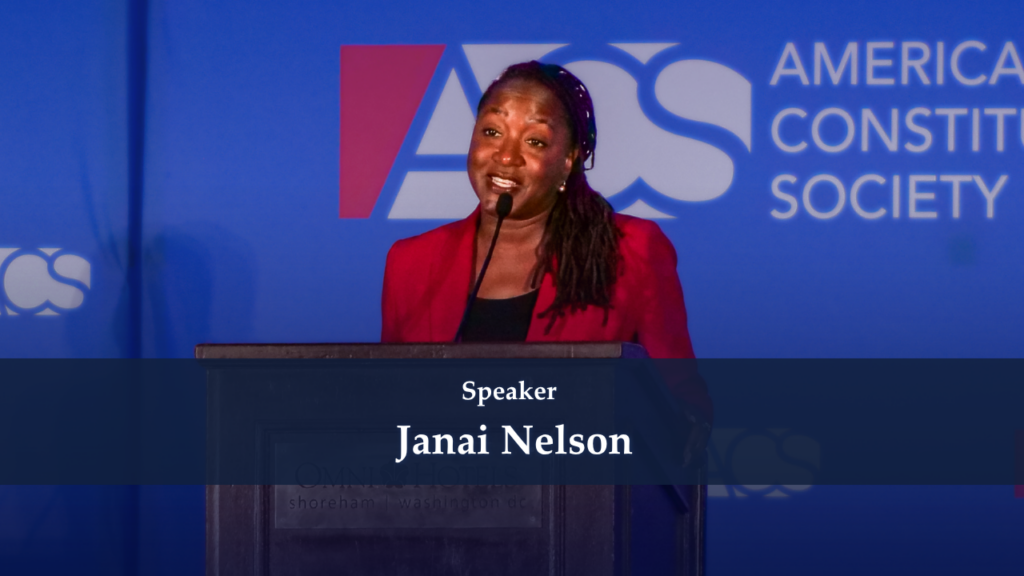
Featured Speaker Janai Nelson & Closing Remarks from Keith Harper
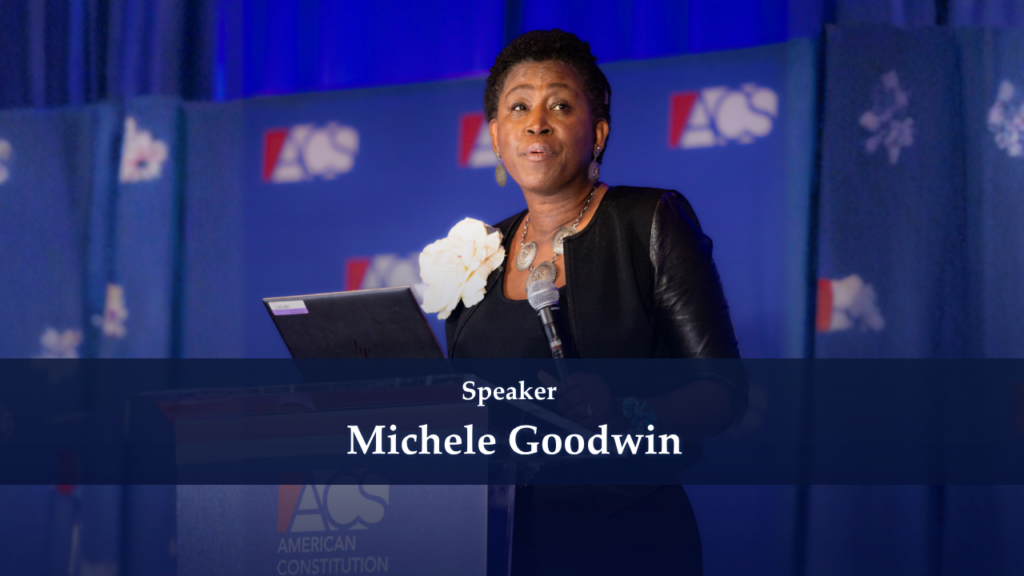
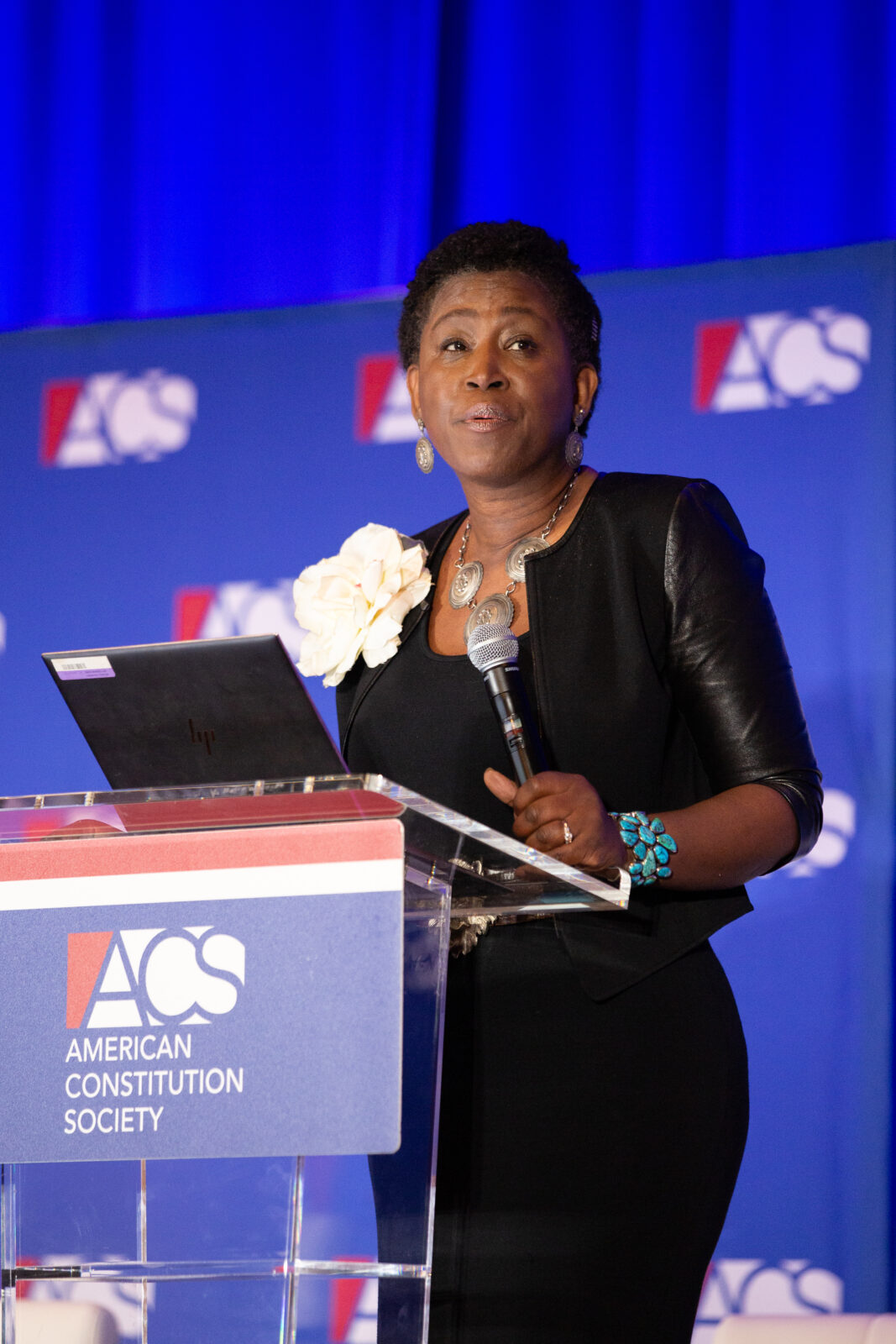
Closing Statement from Michele Goodwin
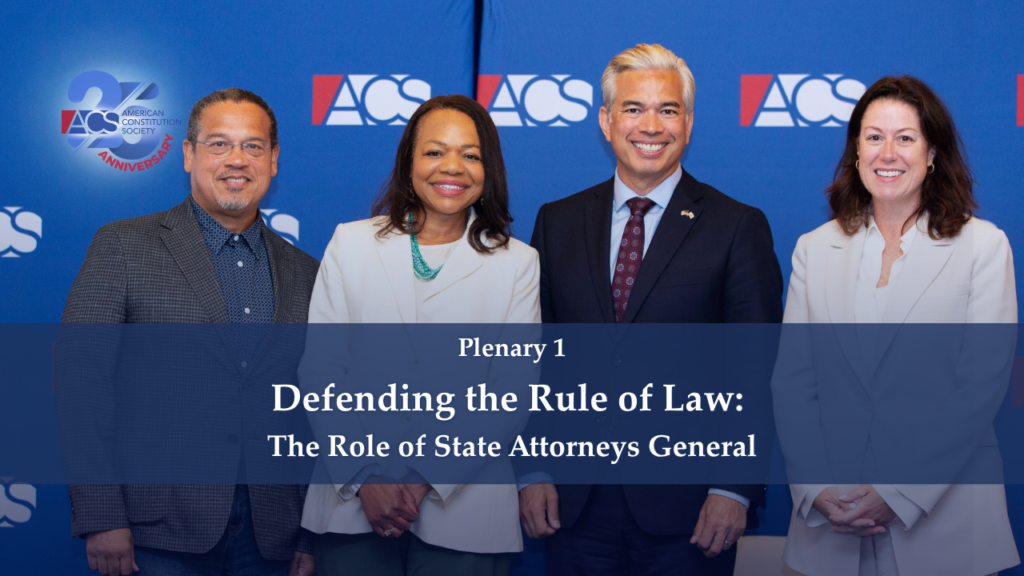
Defending the Rule of Law: The Role of State Attorneys General
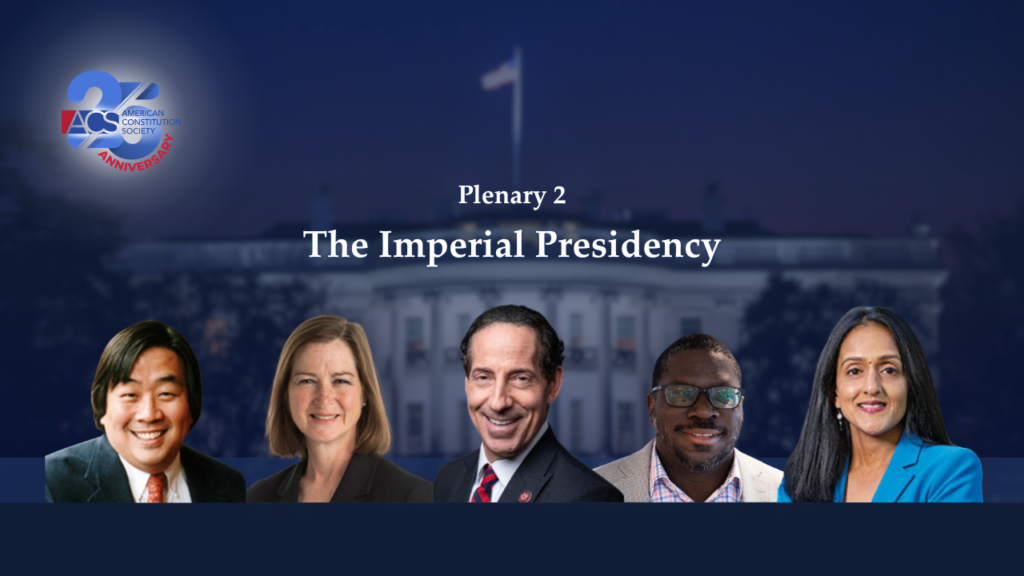
The Imperial Presidency
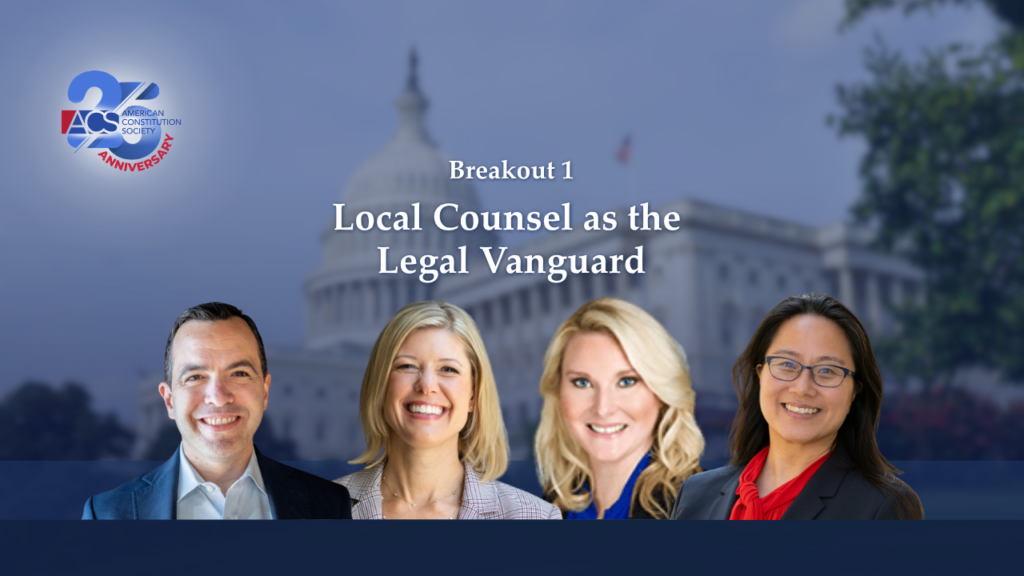
Local Counsel as the Legal Vanguard
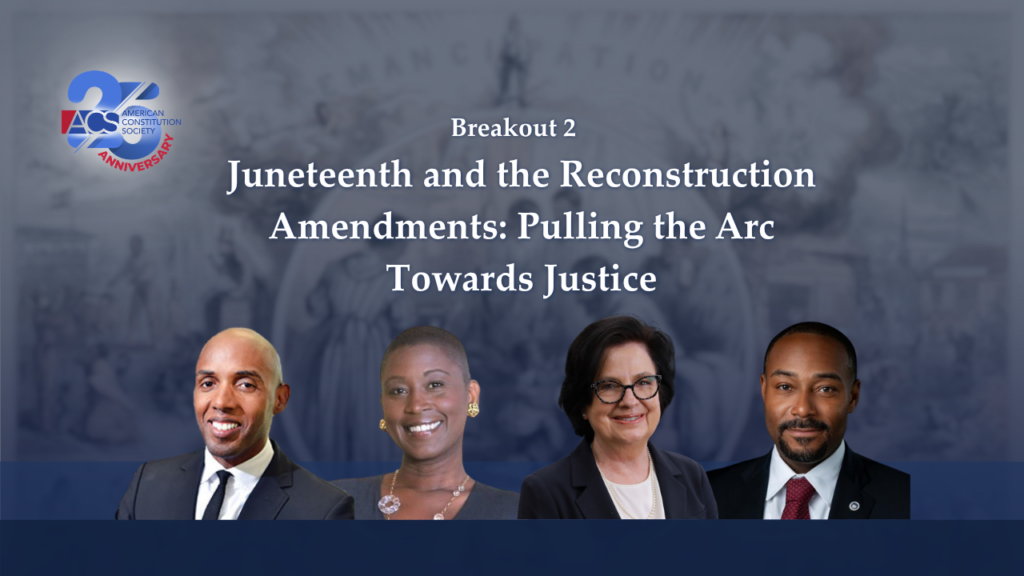
Juneteenth and the Reconstruction Amendments: Pulling the Arc Towards Justice
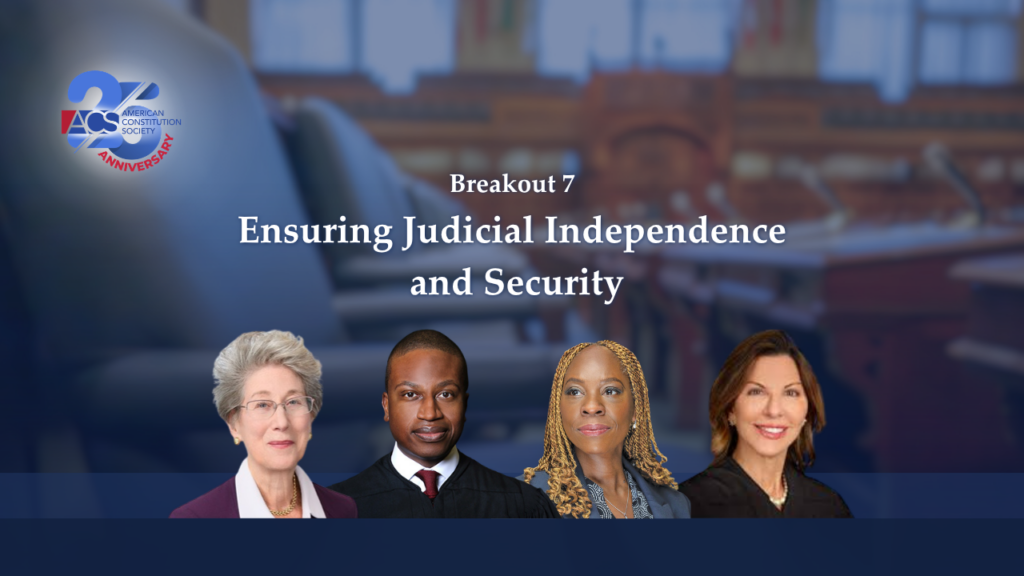
Ensuring Judicial Independence and Security
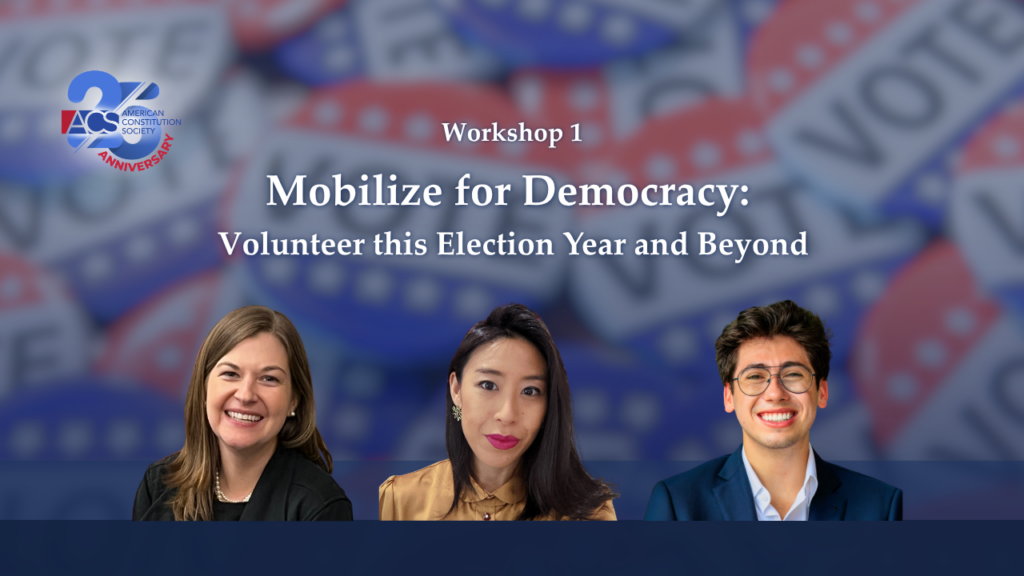
Mobilize for Democracy: Volunteer this Election Year and Beyond
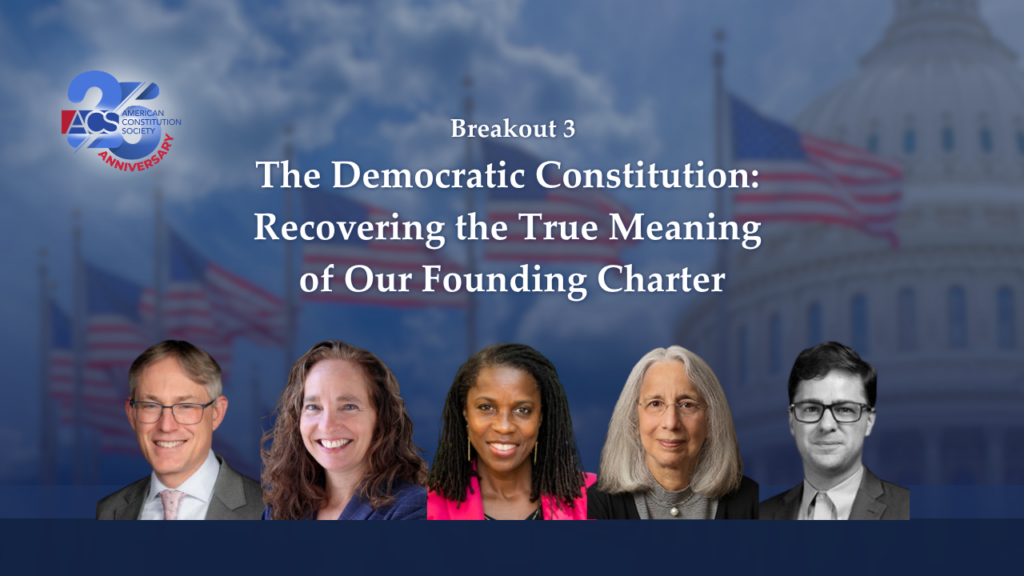
The Democratic Constitution: Recovering the True Meaning of Our Founding Charter
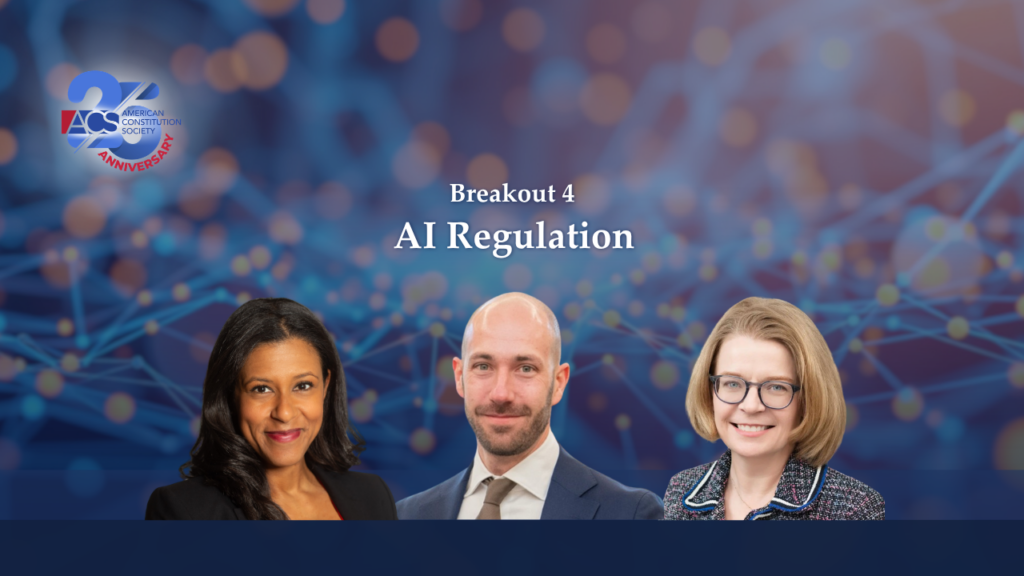
AI Regulation
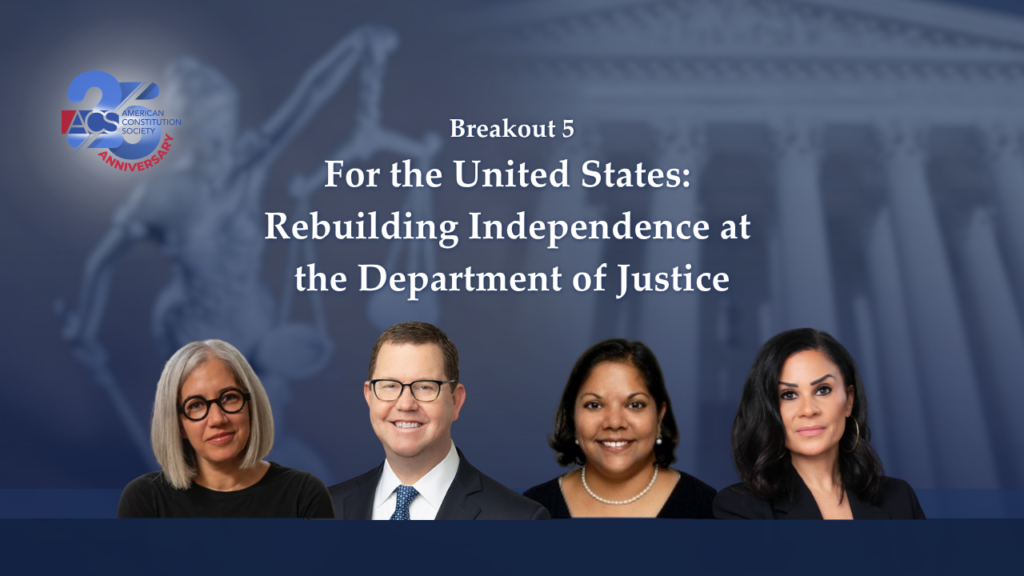
For the United States: Rebuilding Independence at the Department of Justice
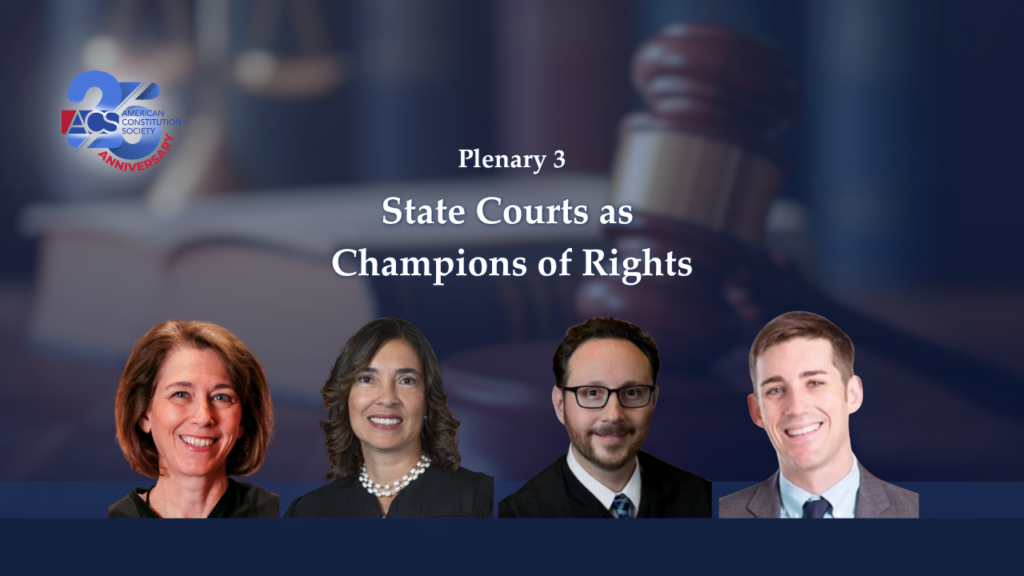
State Courts as Champions of Rights
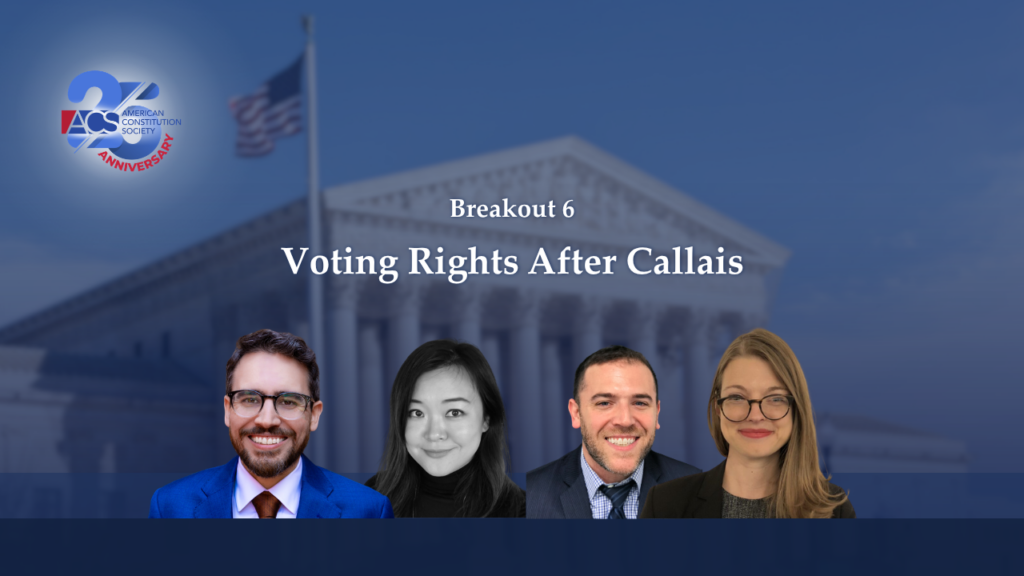
Voting Rights After Callais
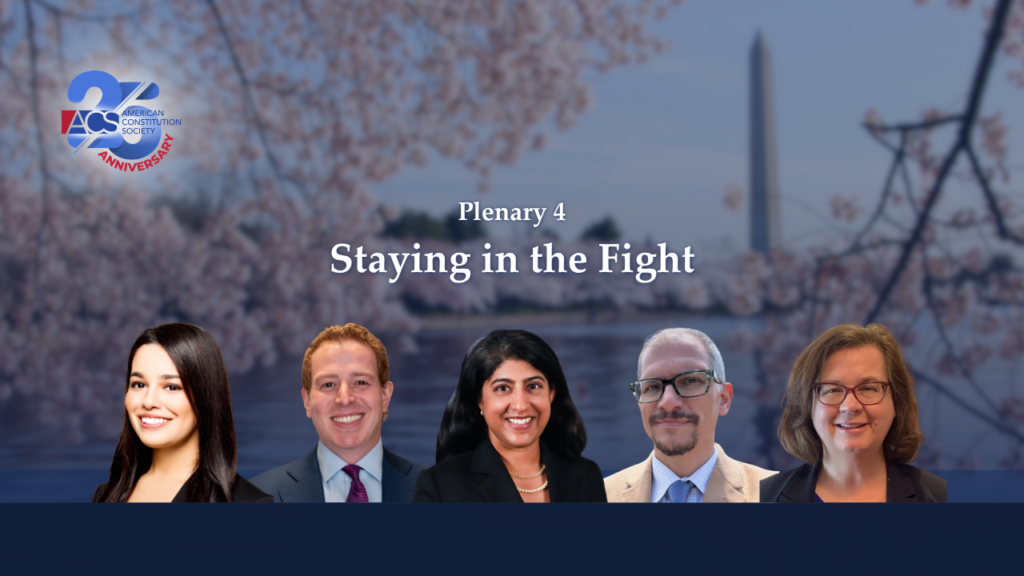
Staying in the Fight
Photos
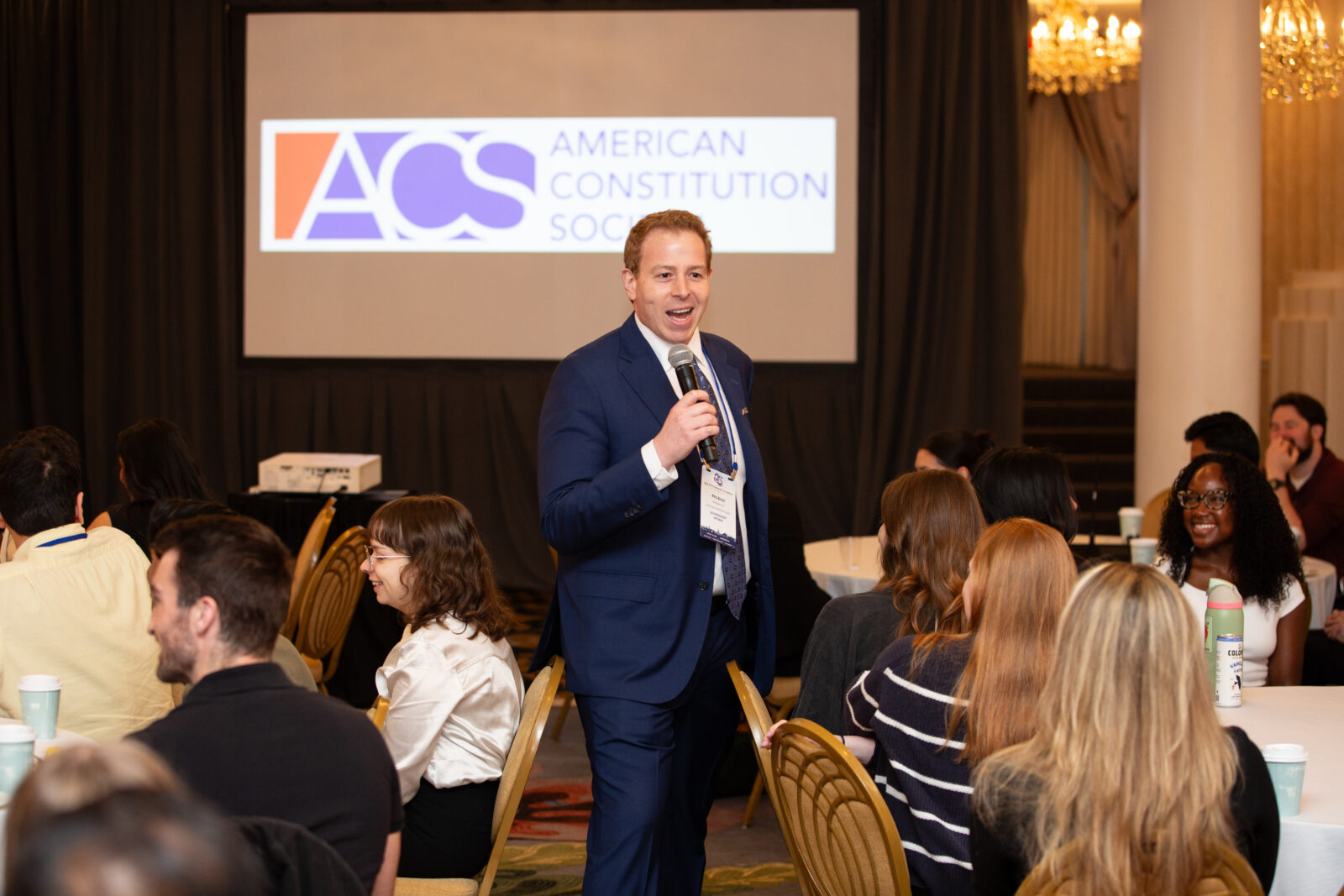
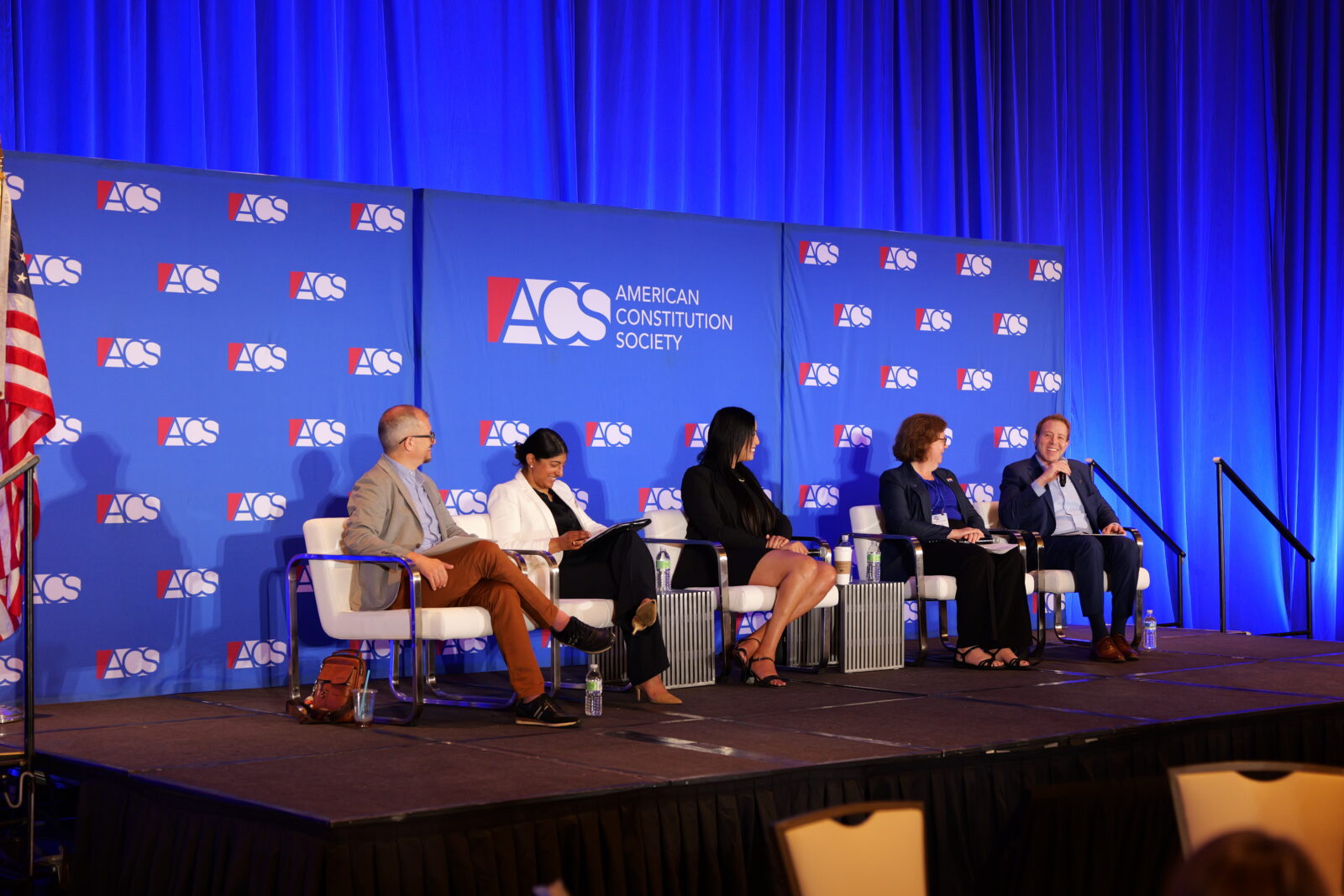


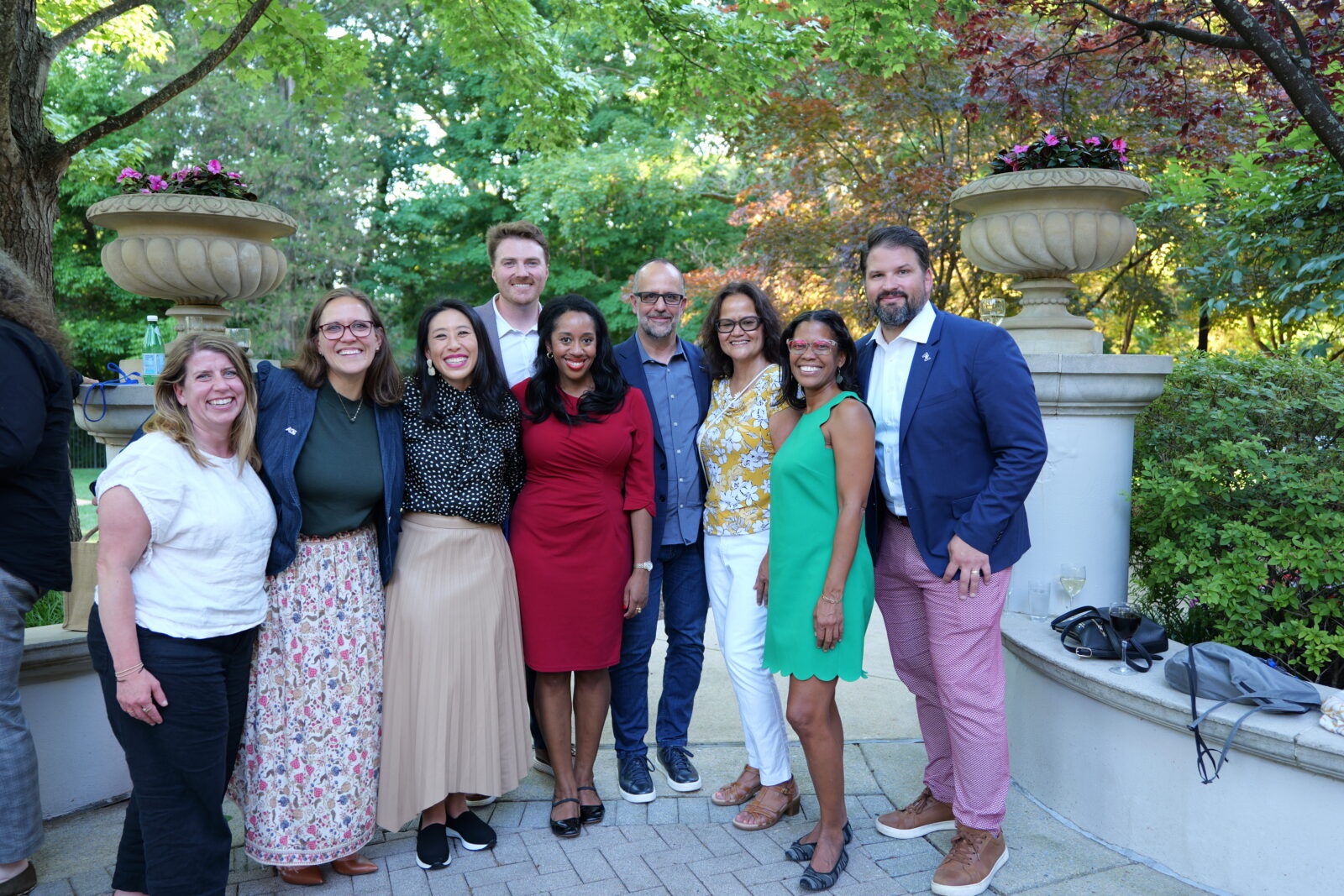

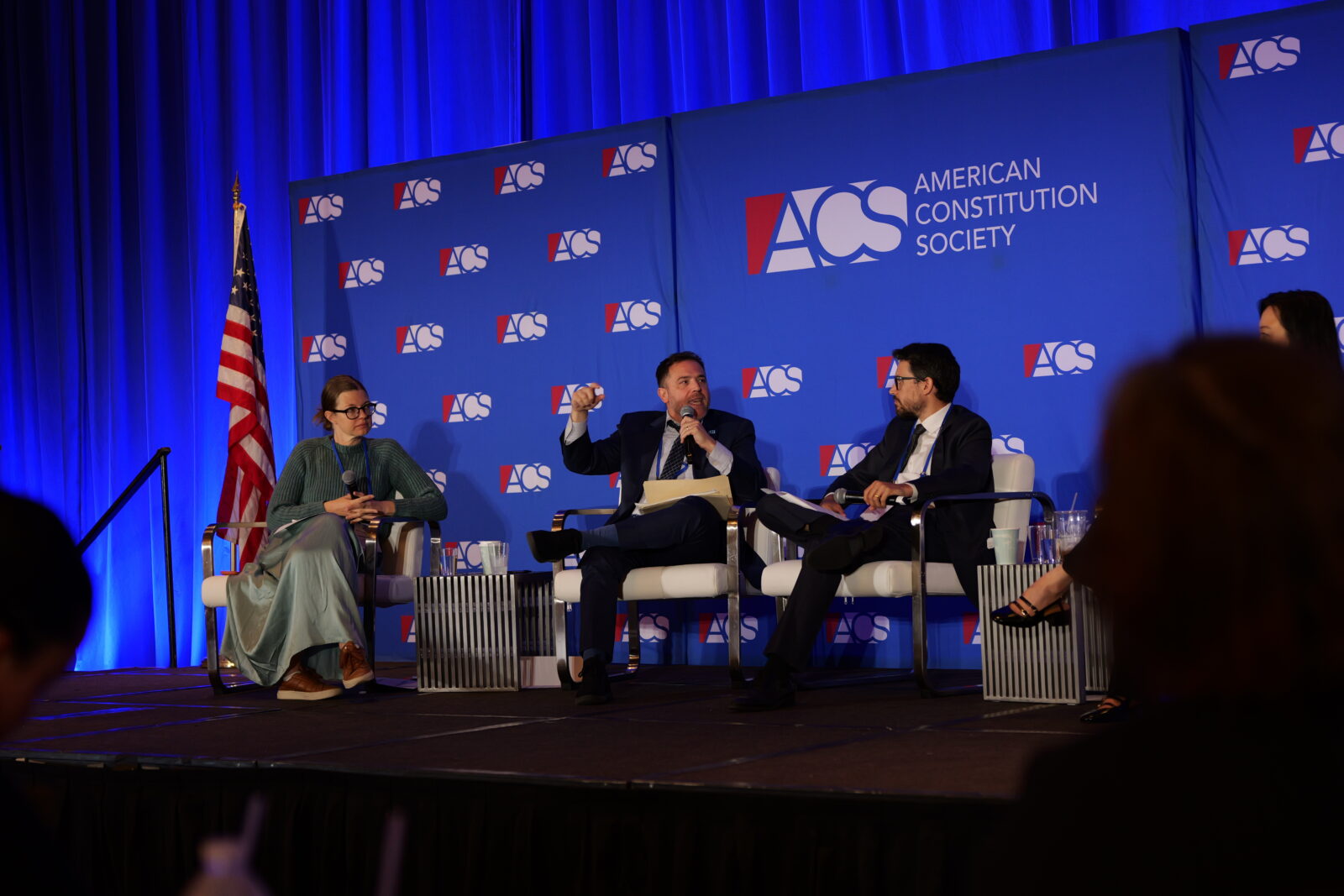
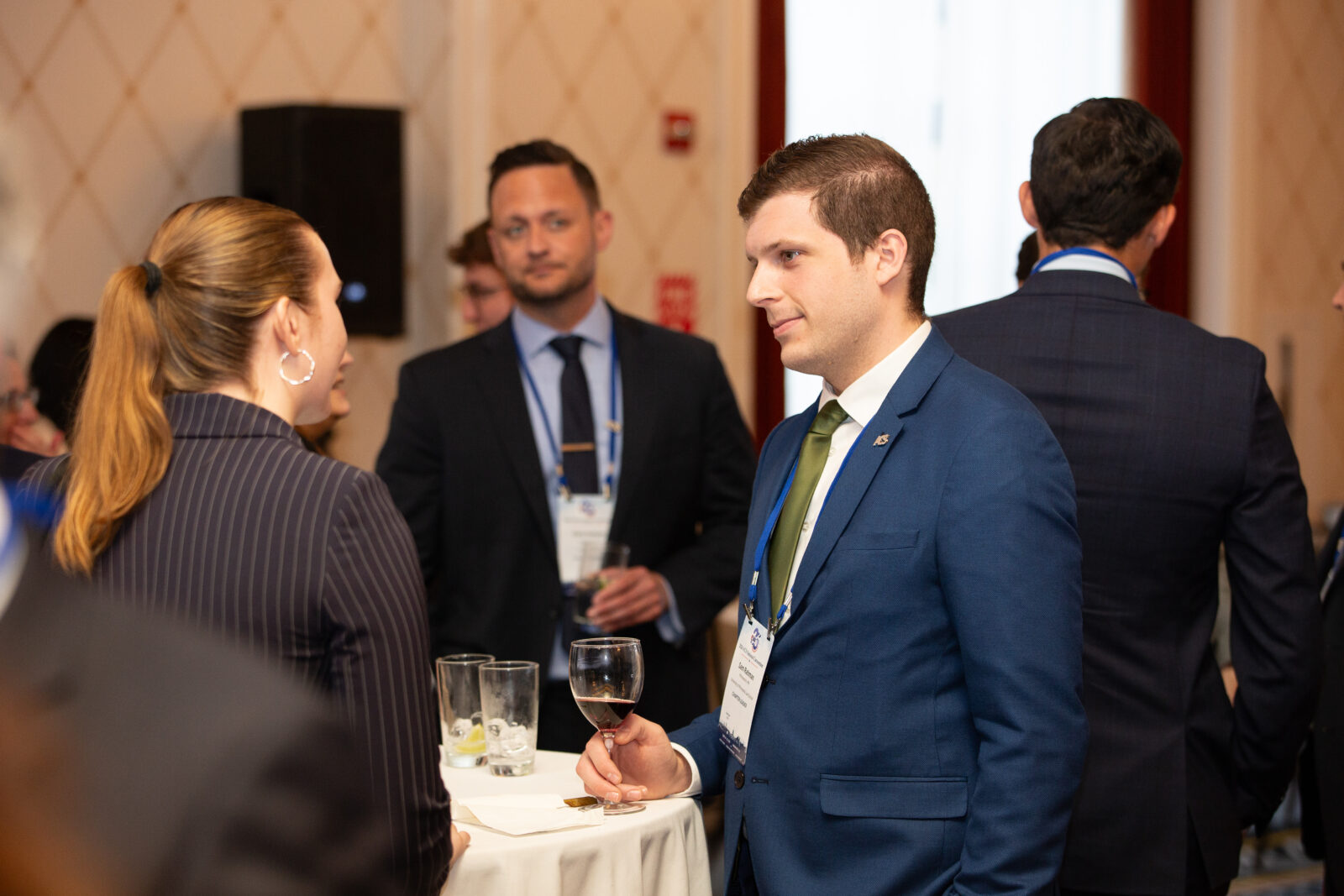

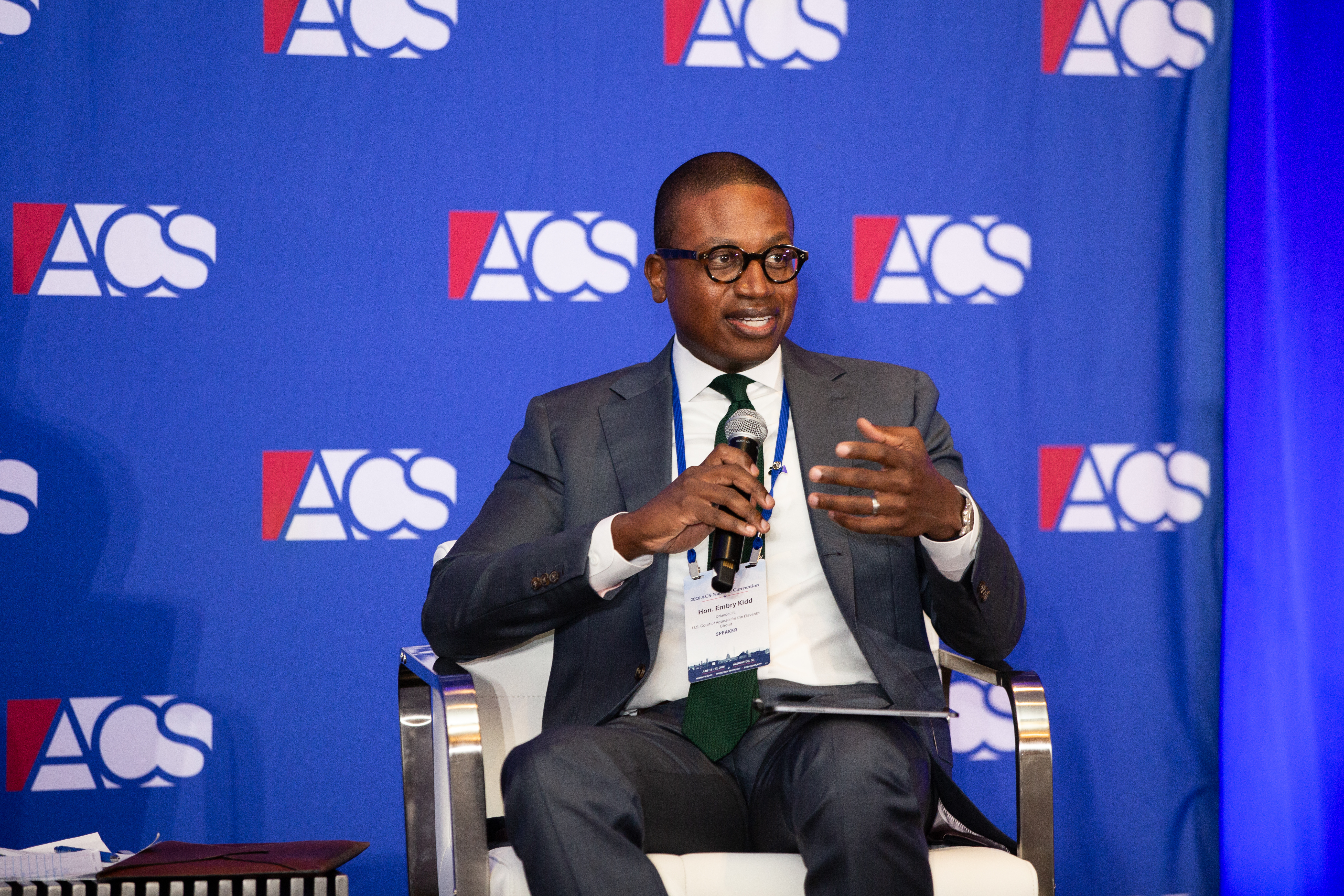
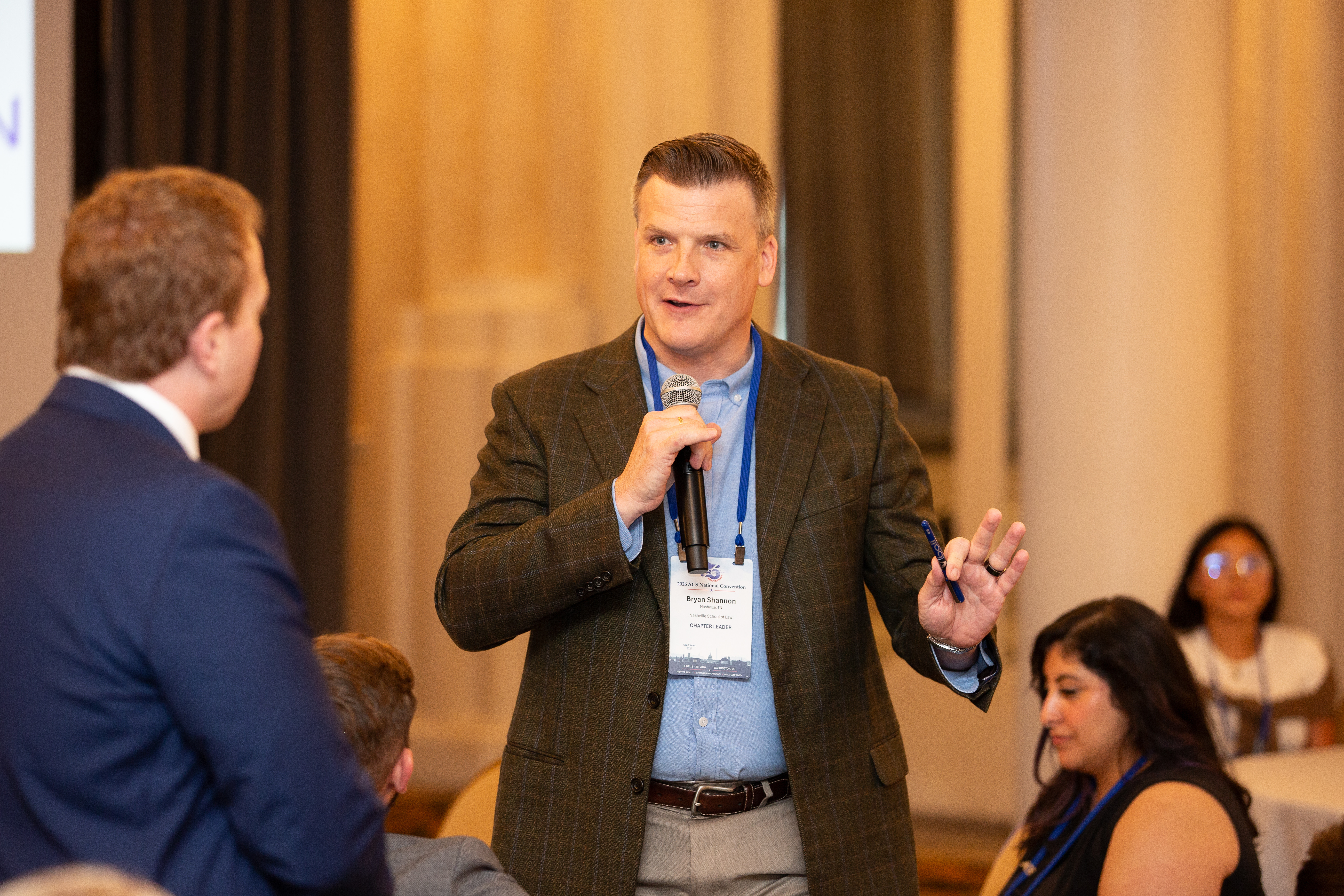

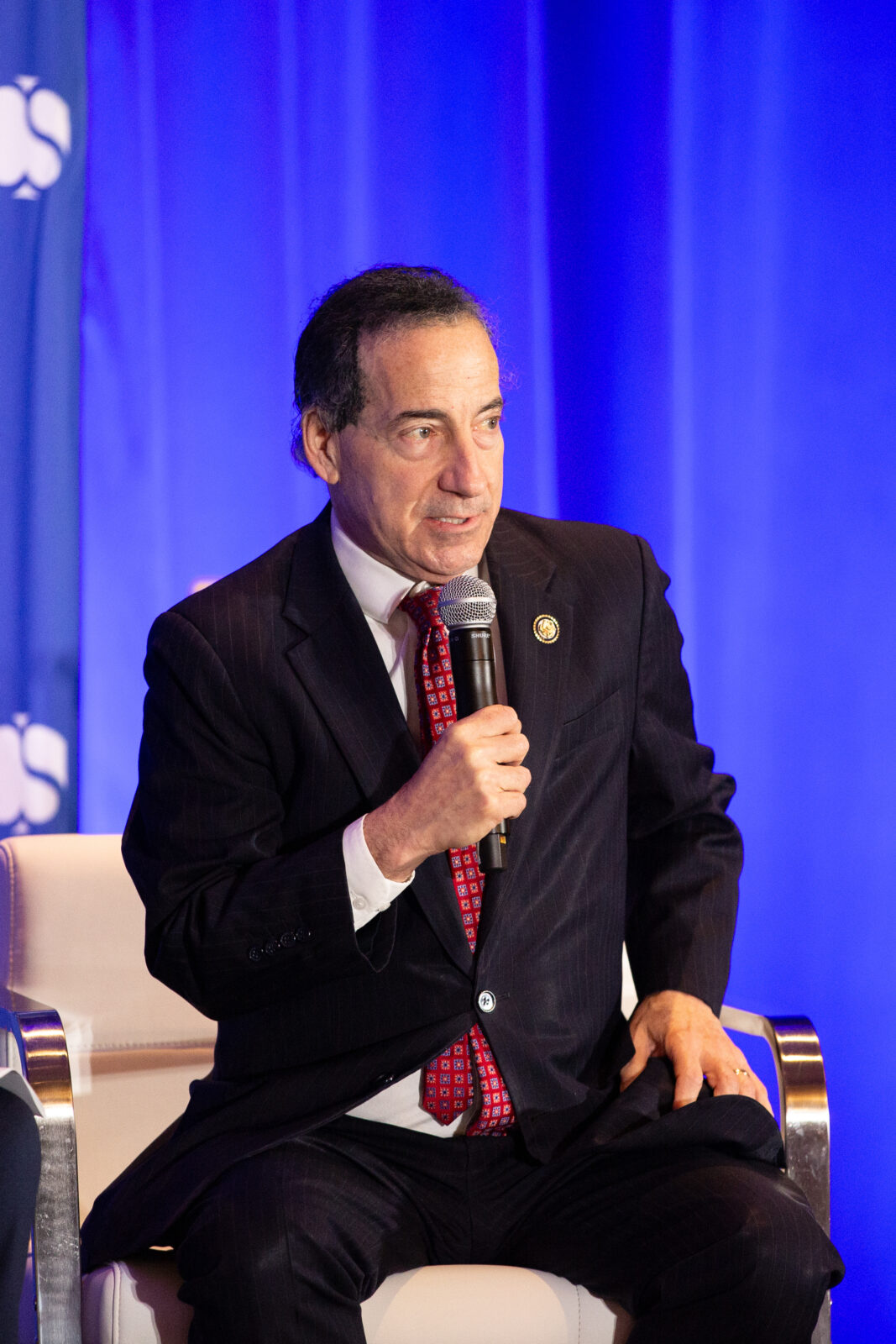
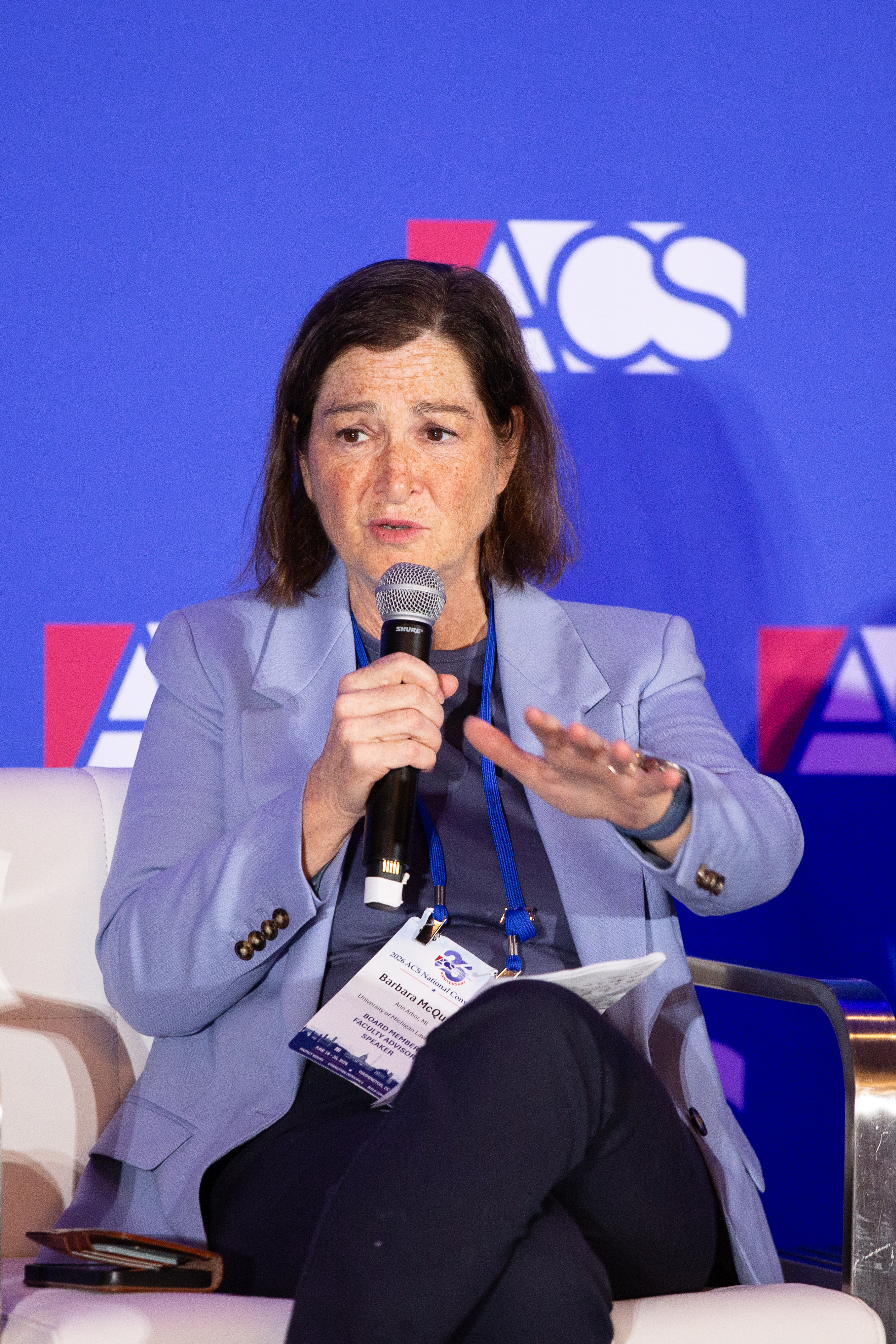



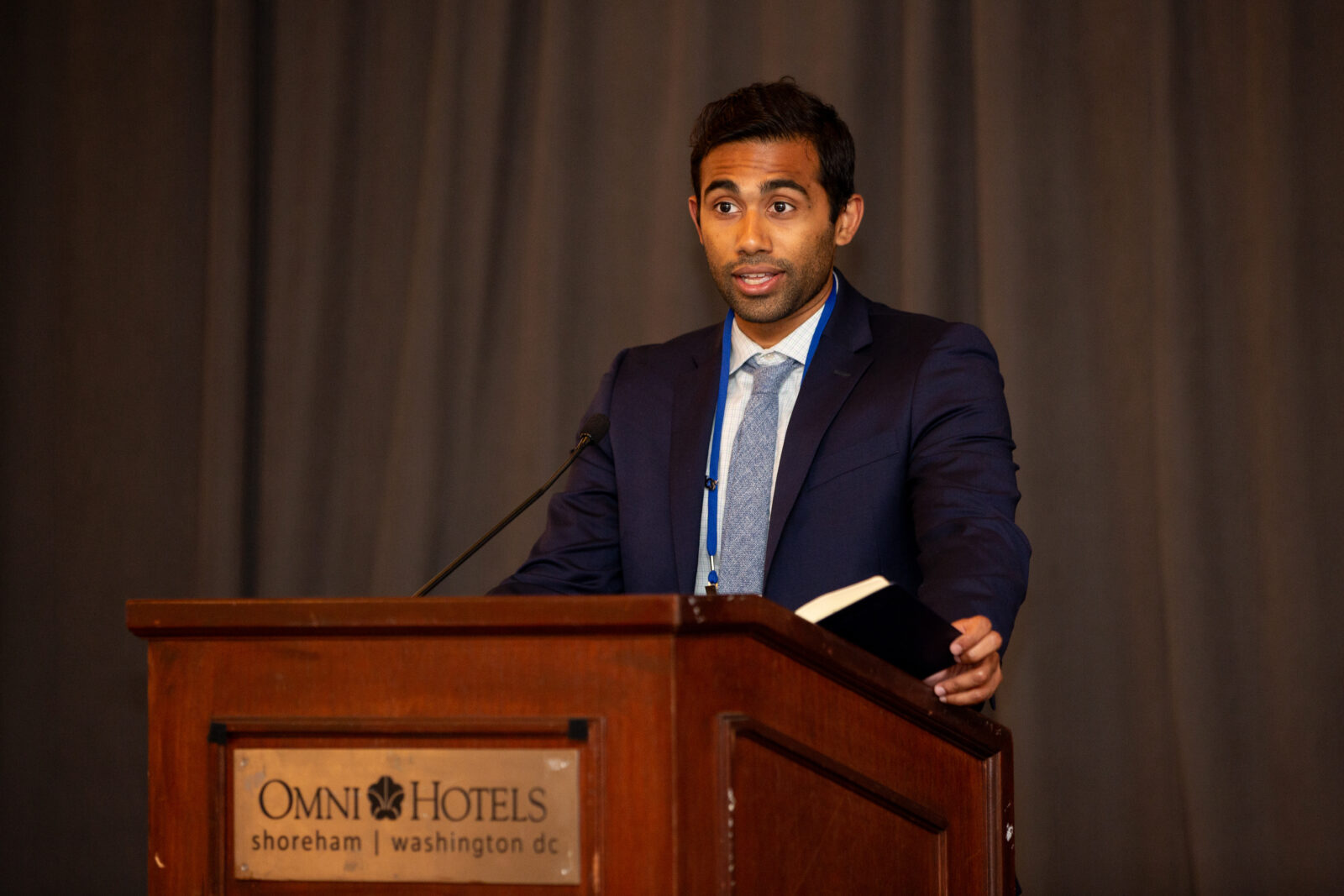
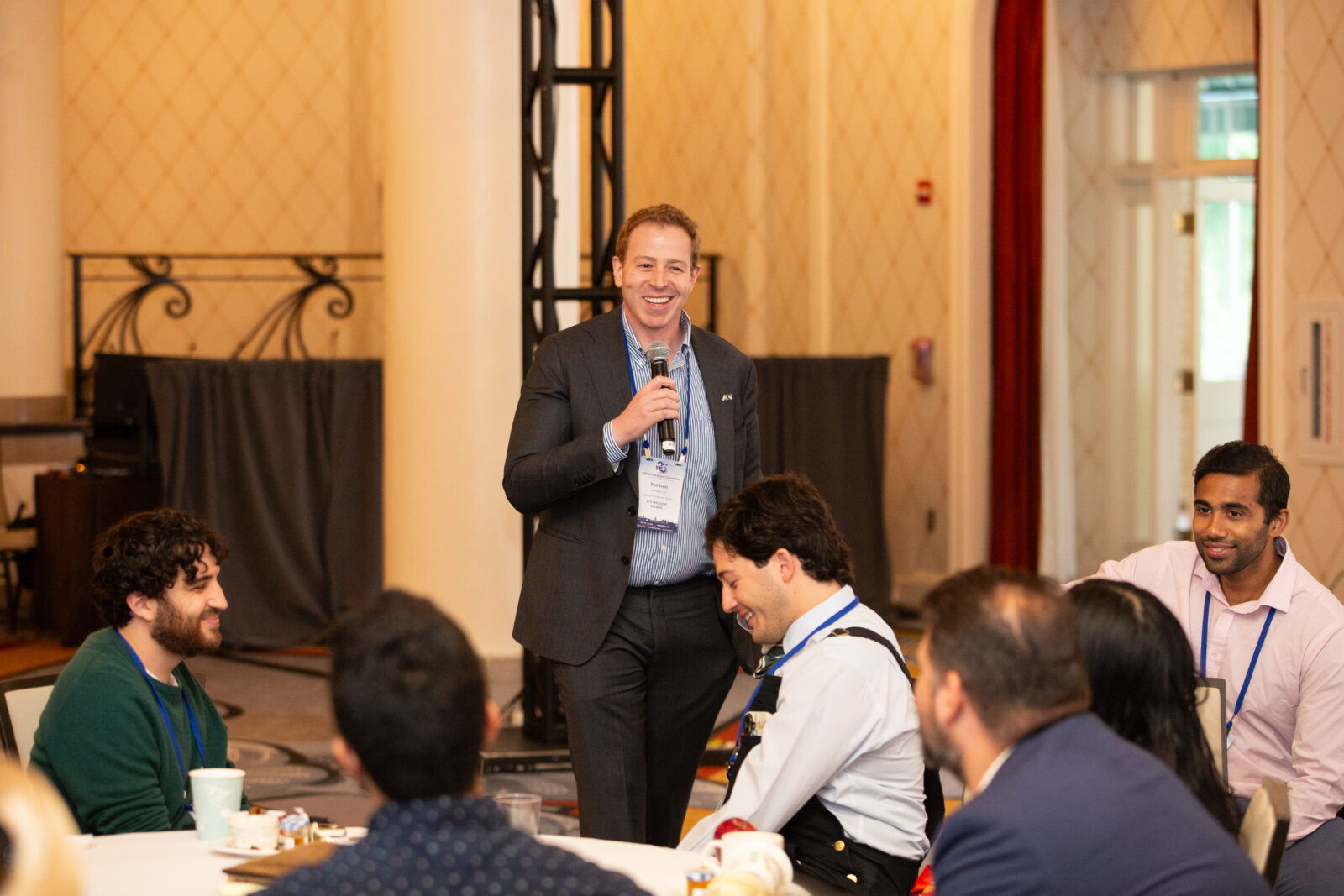
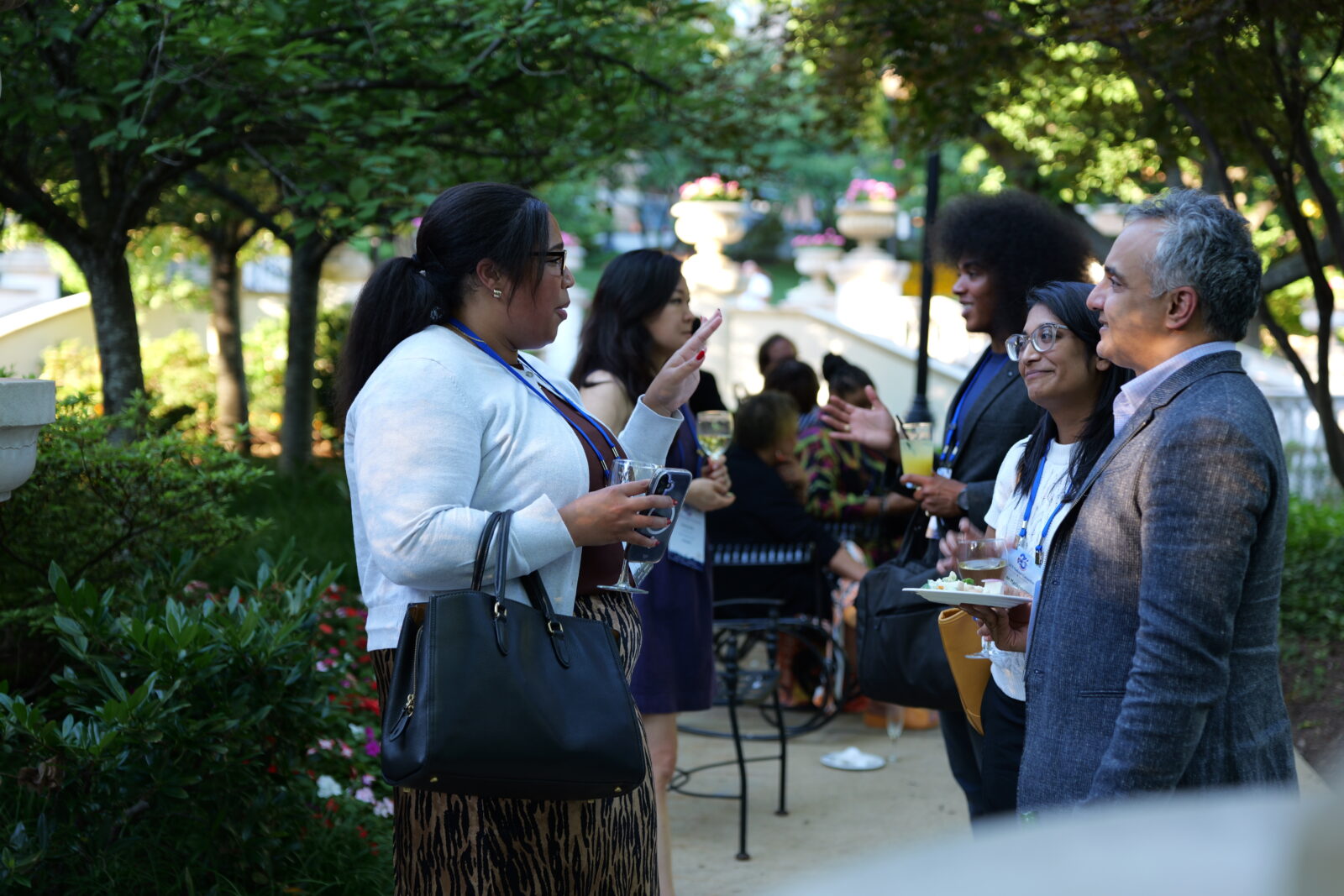
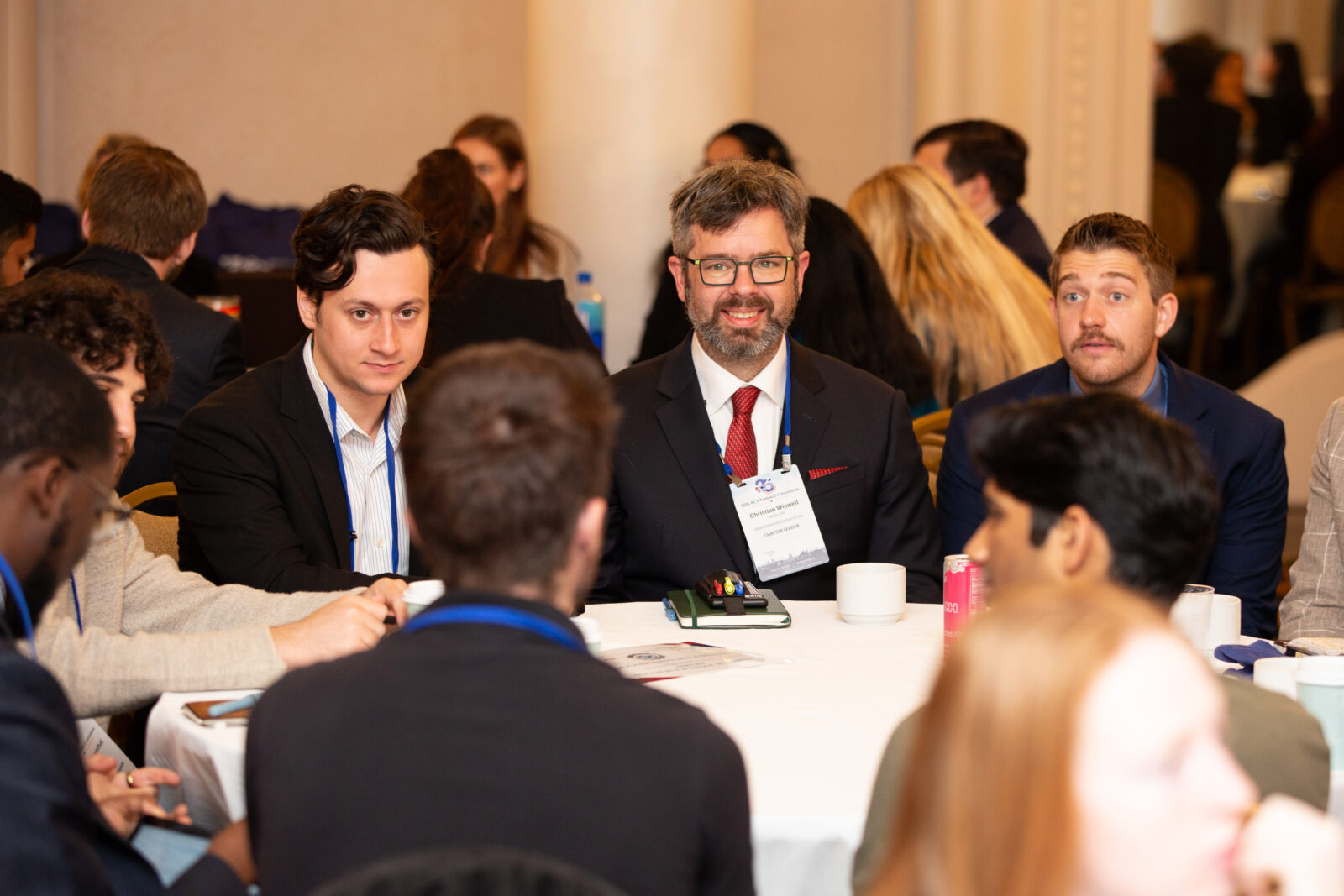

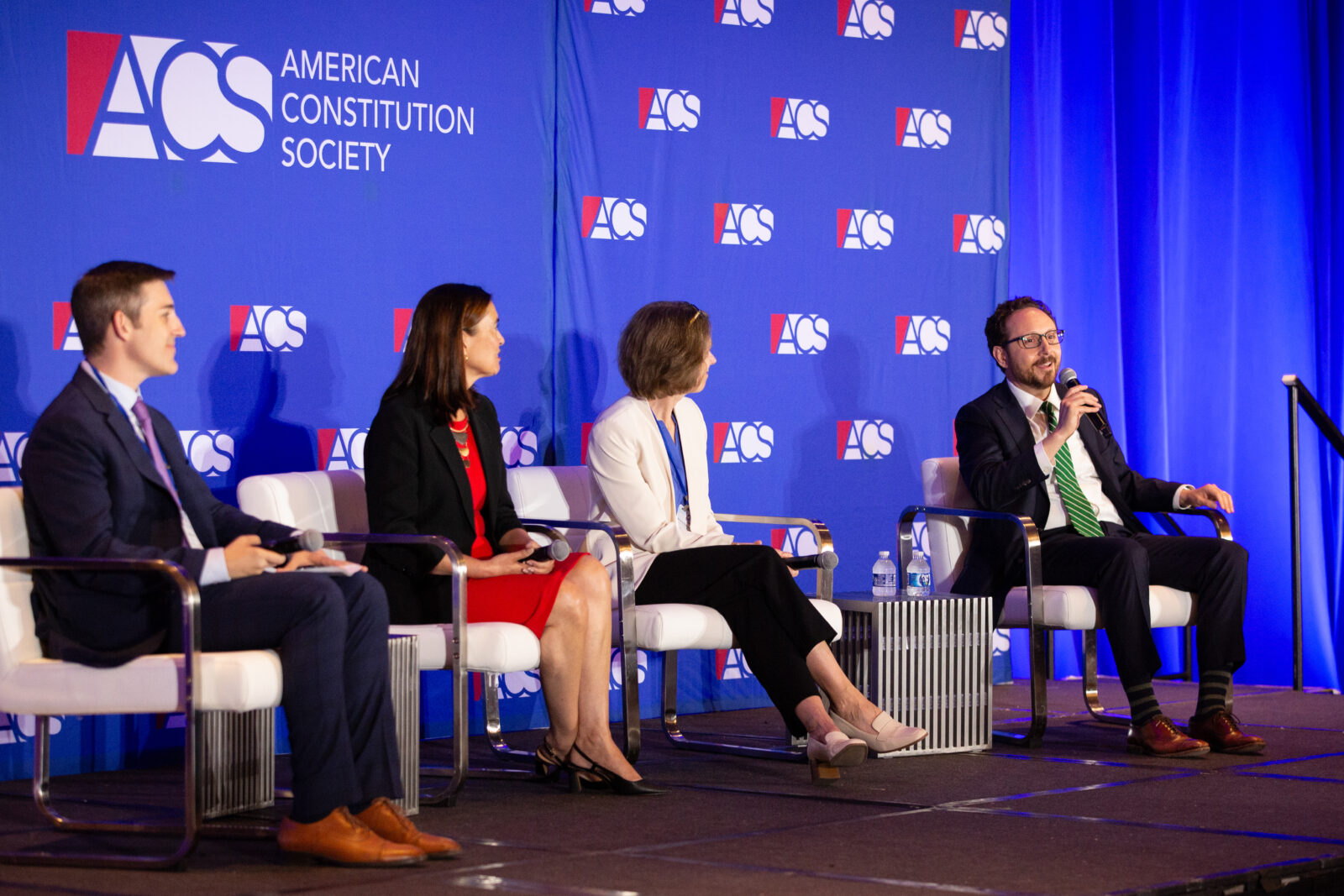
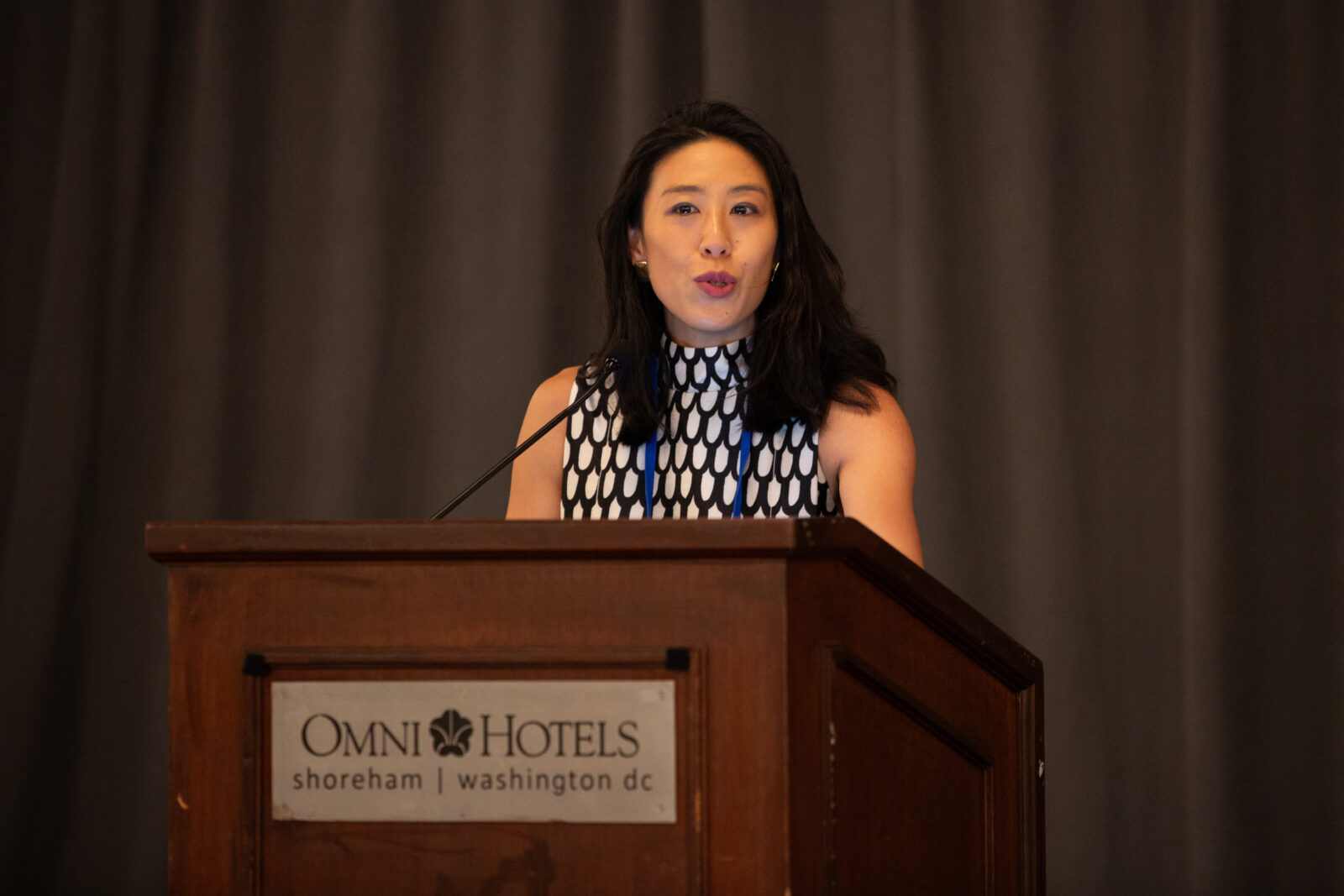
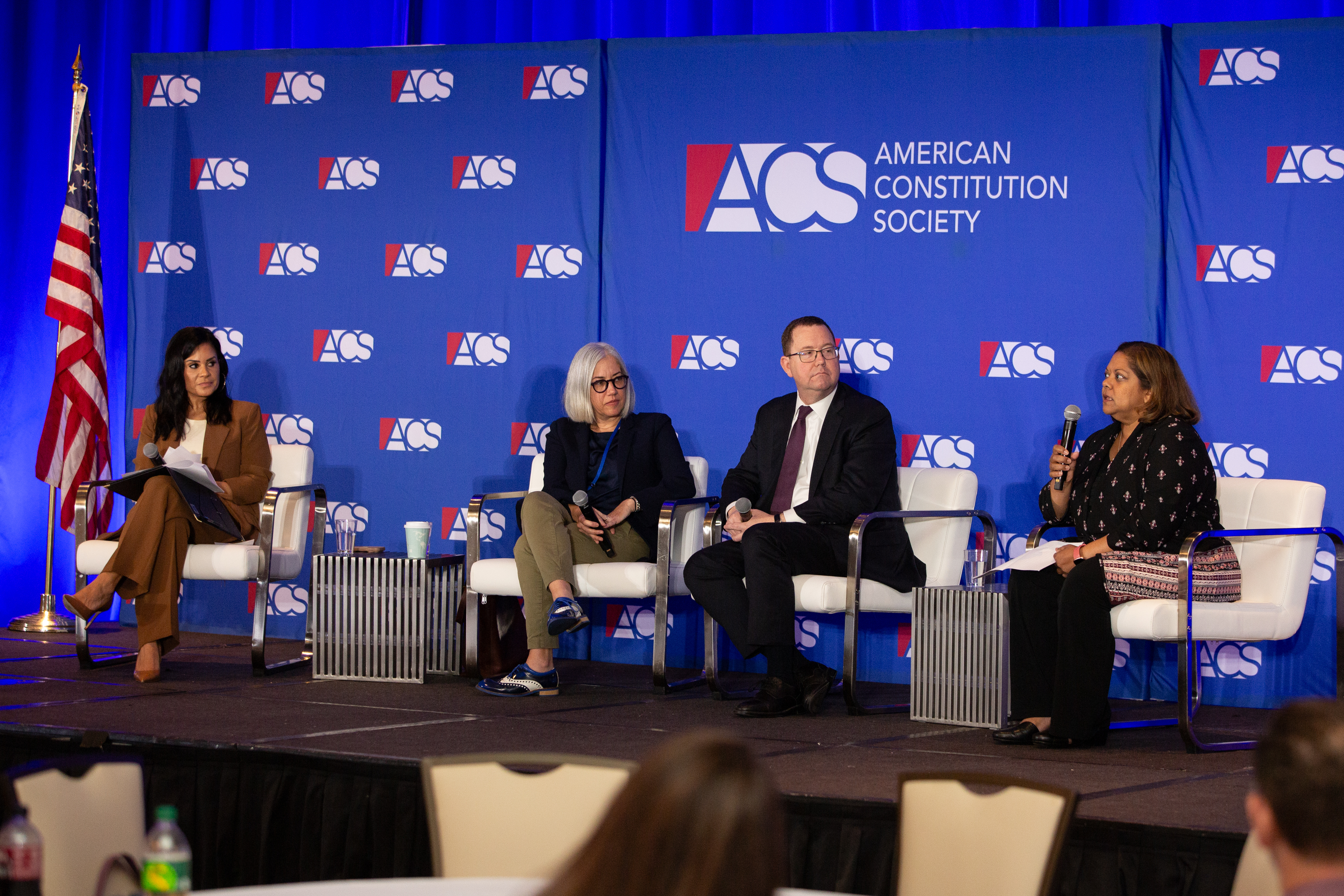
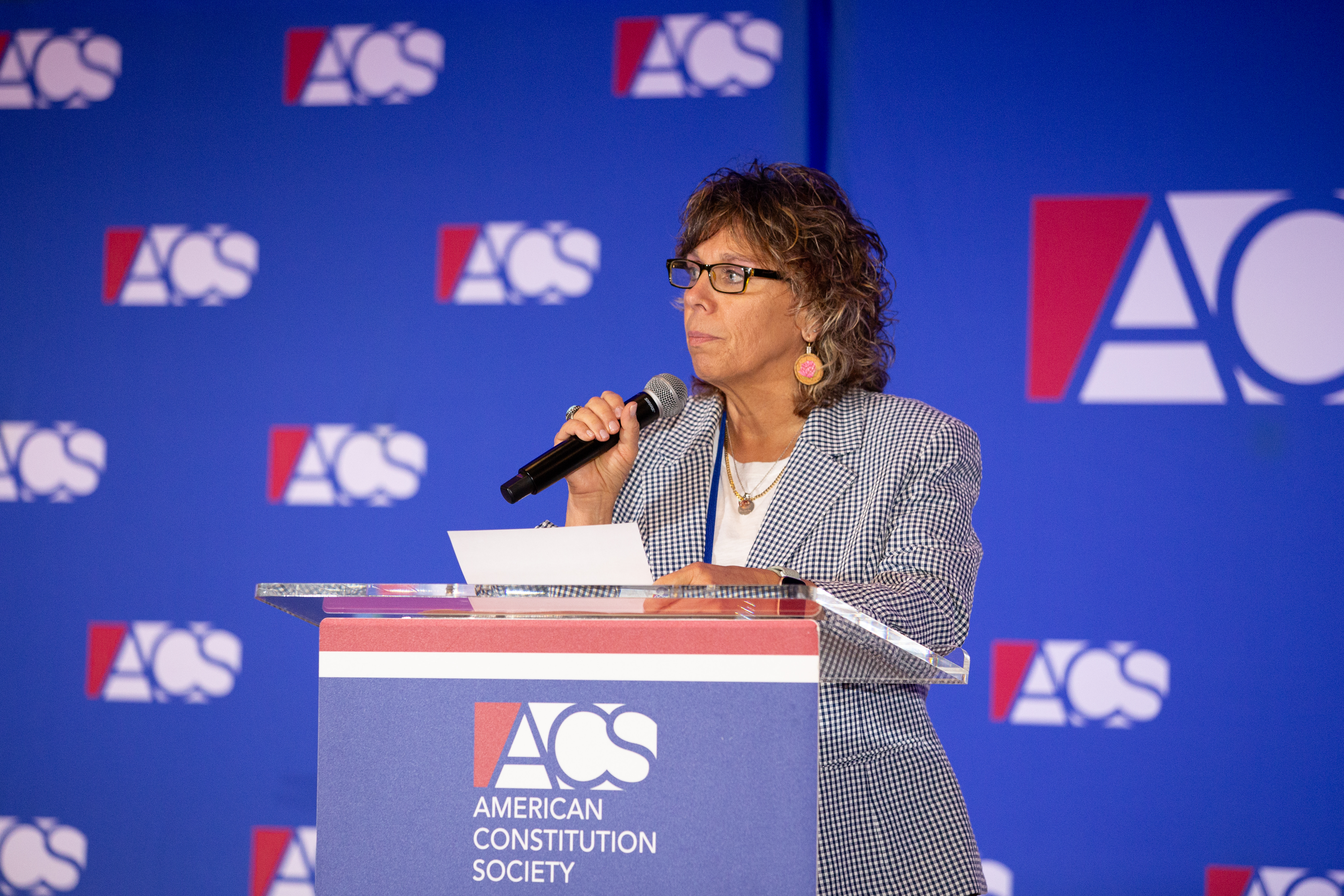

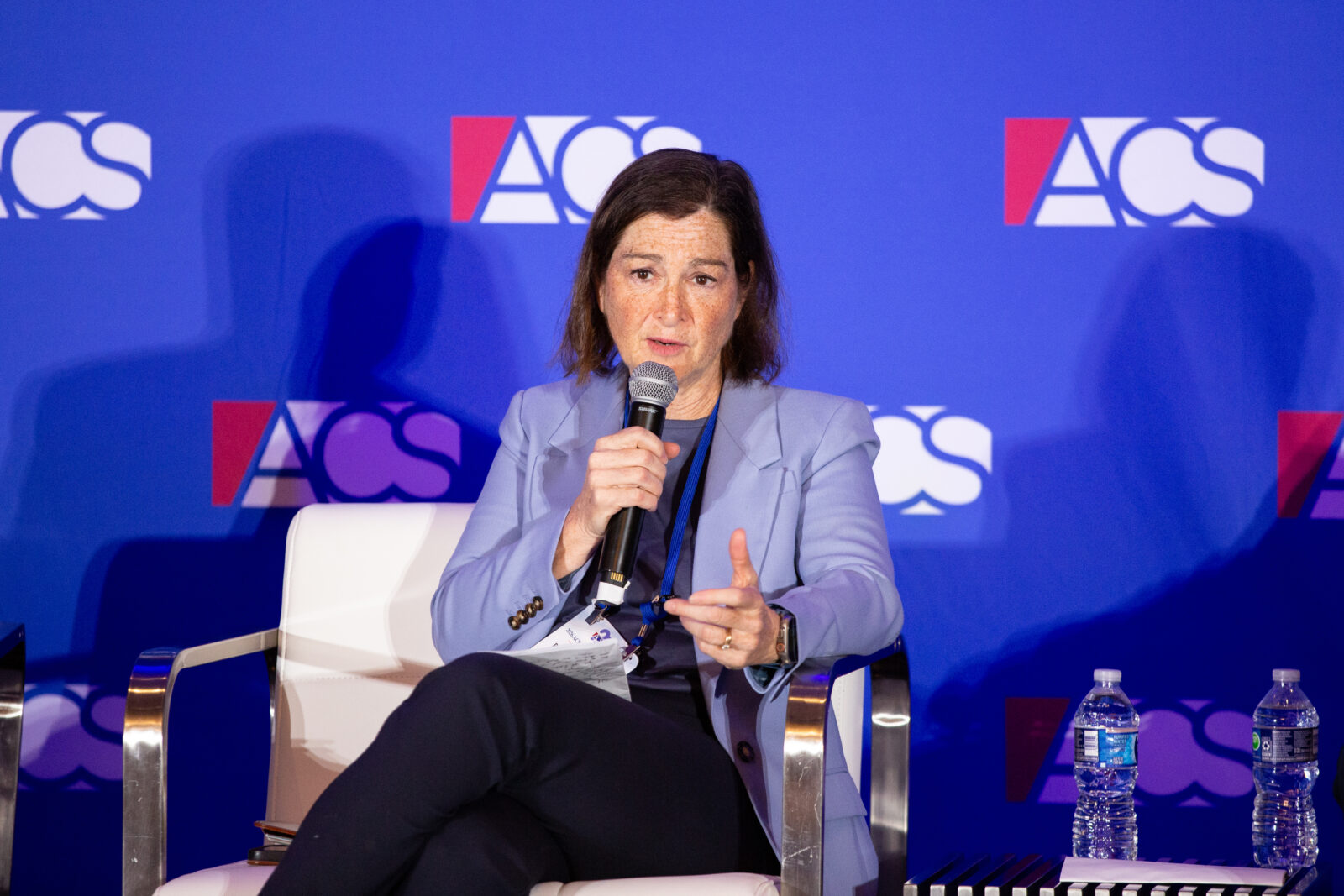
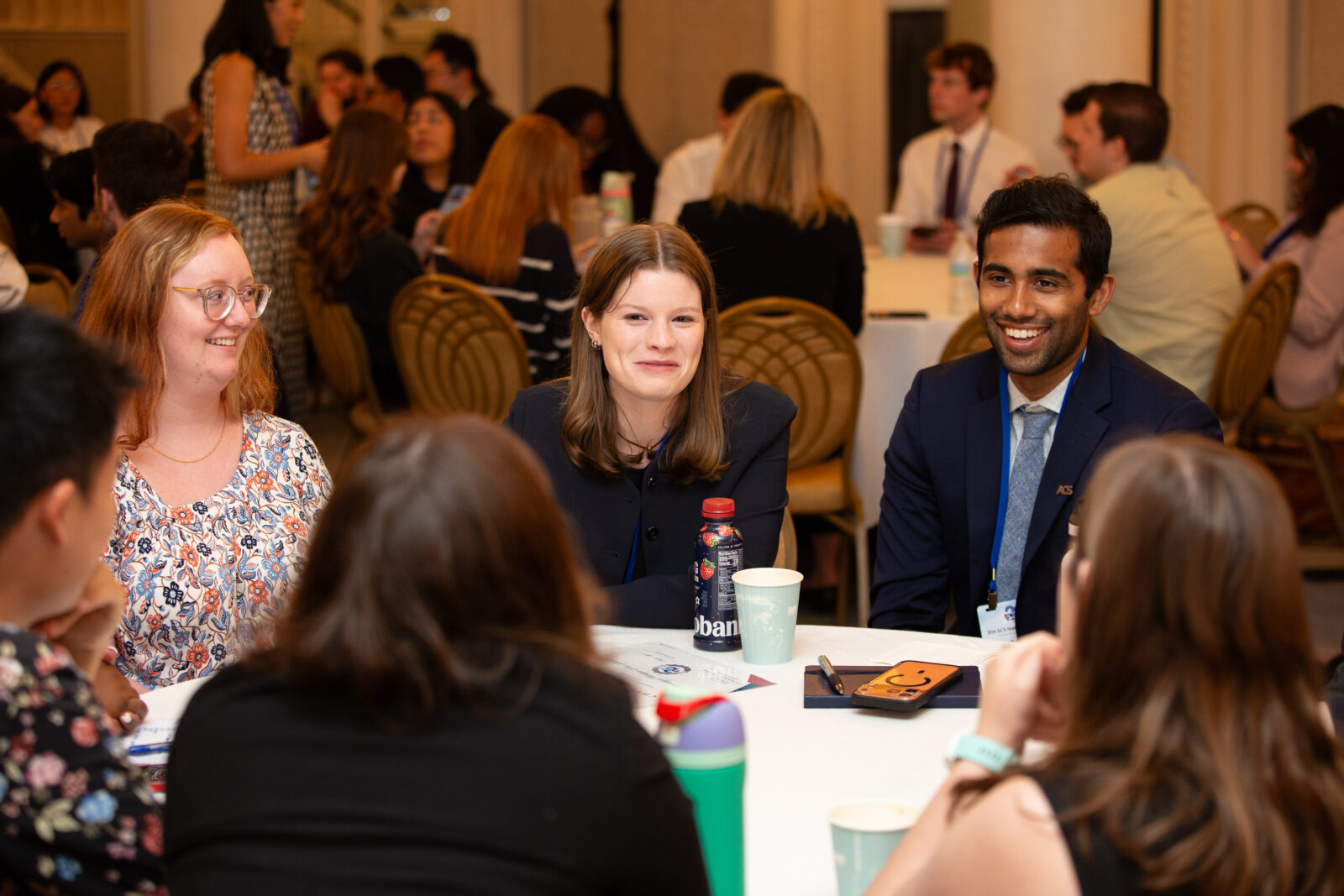
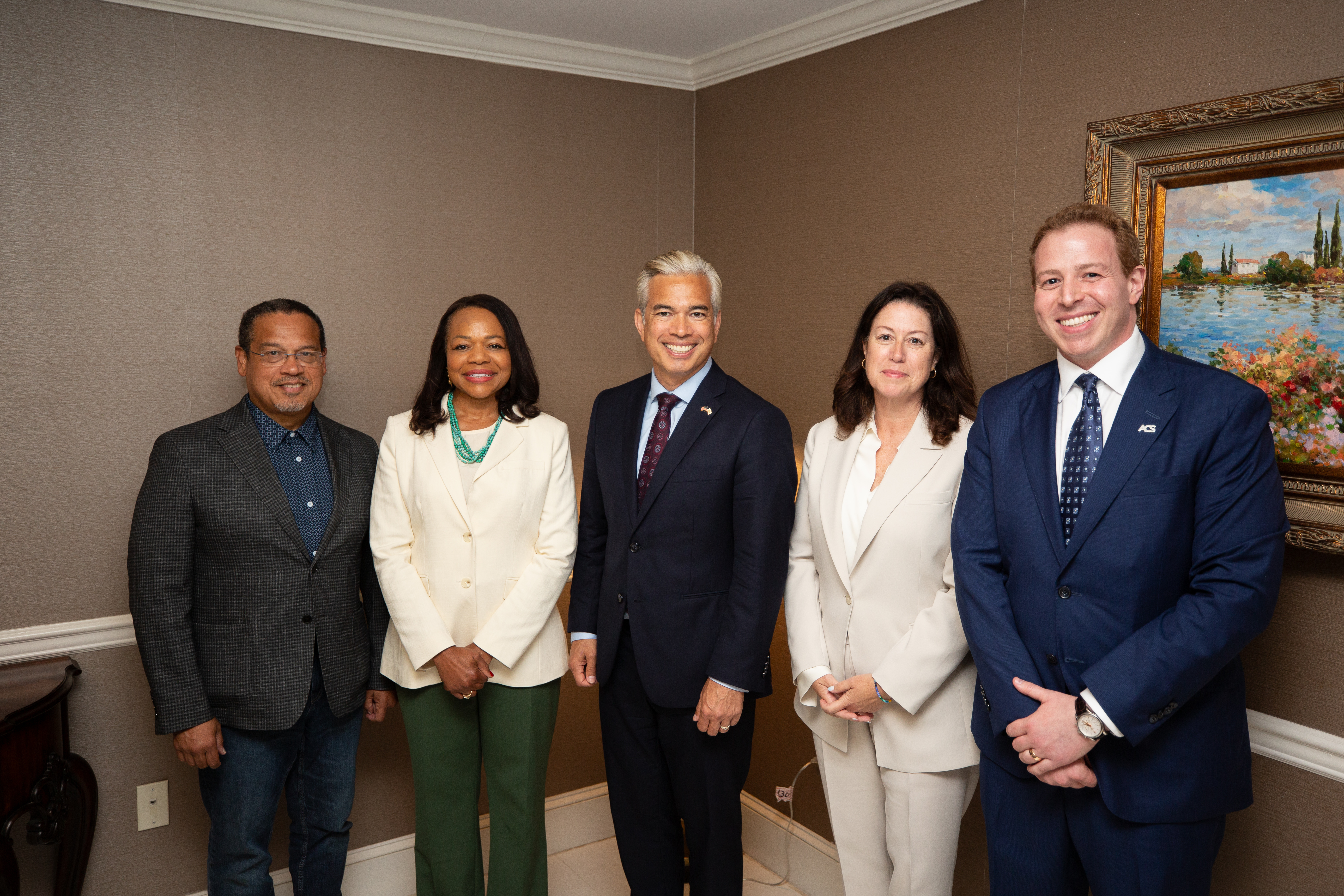

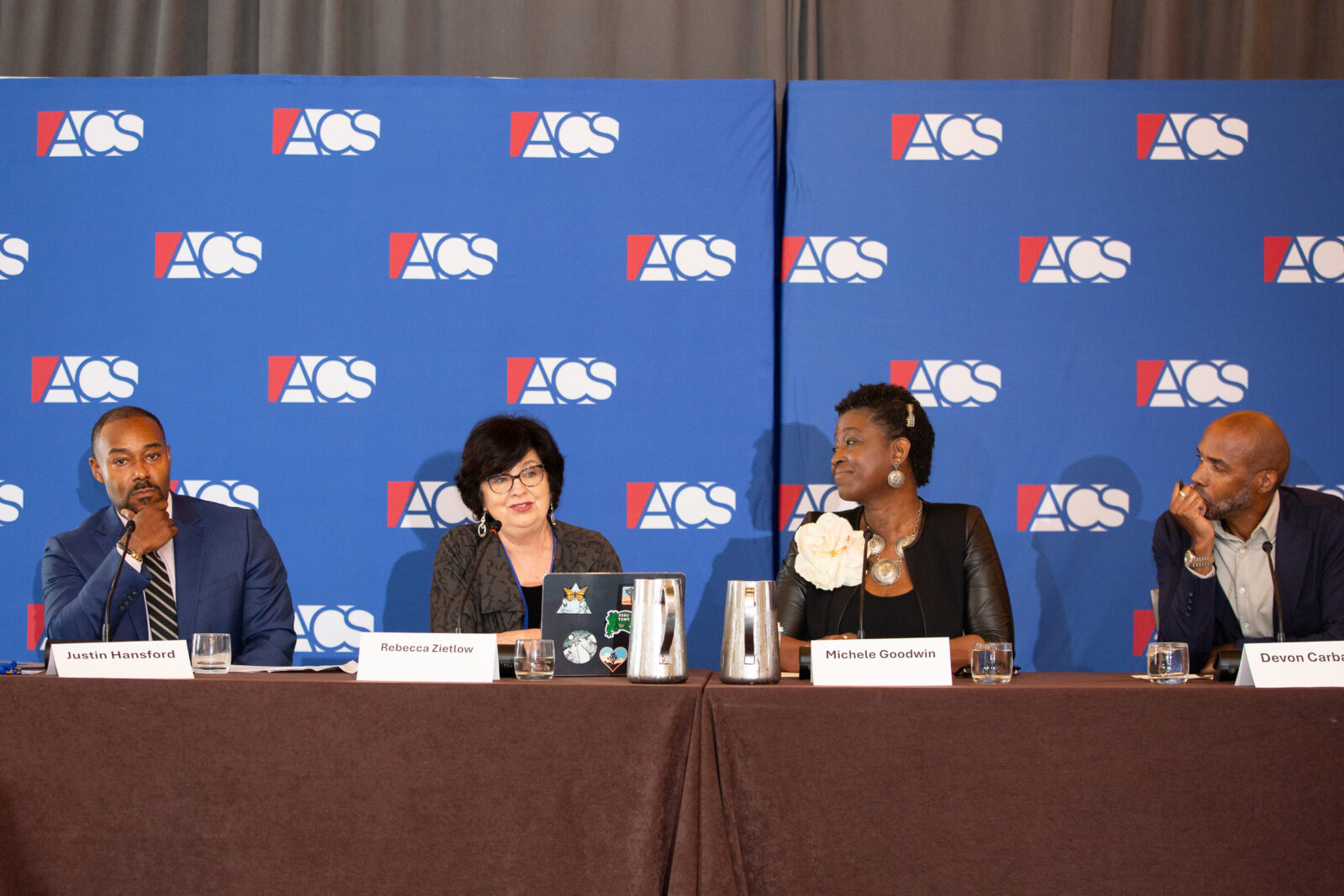
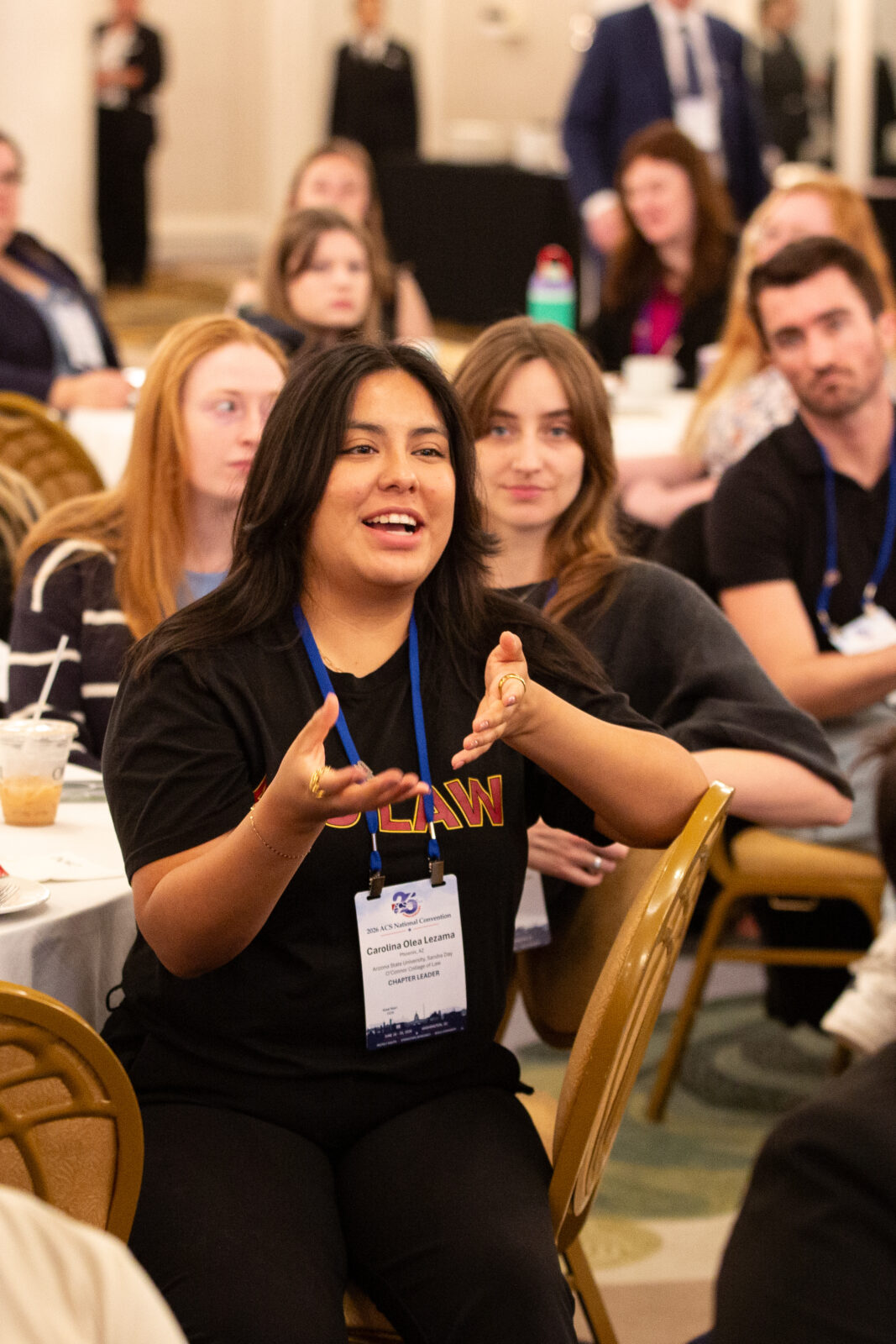
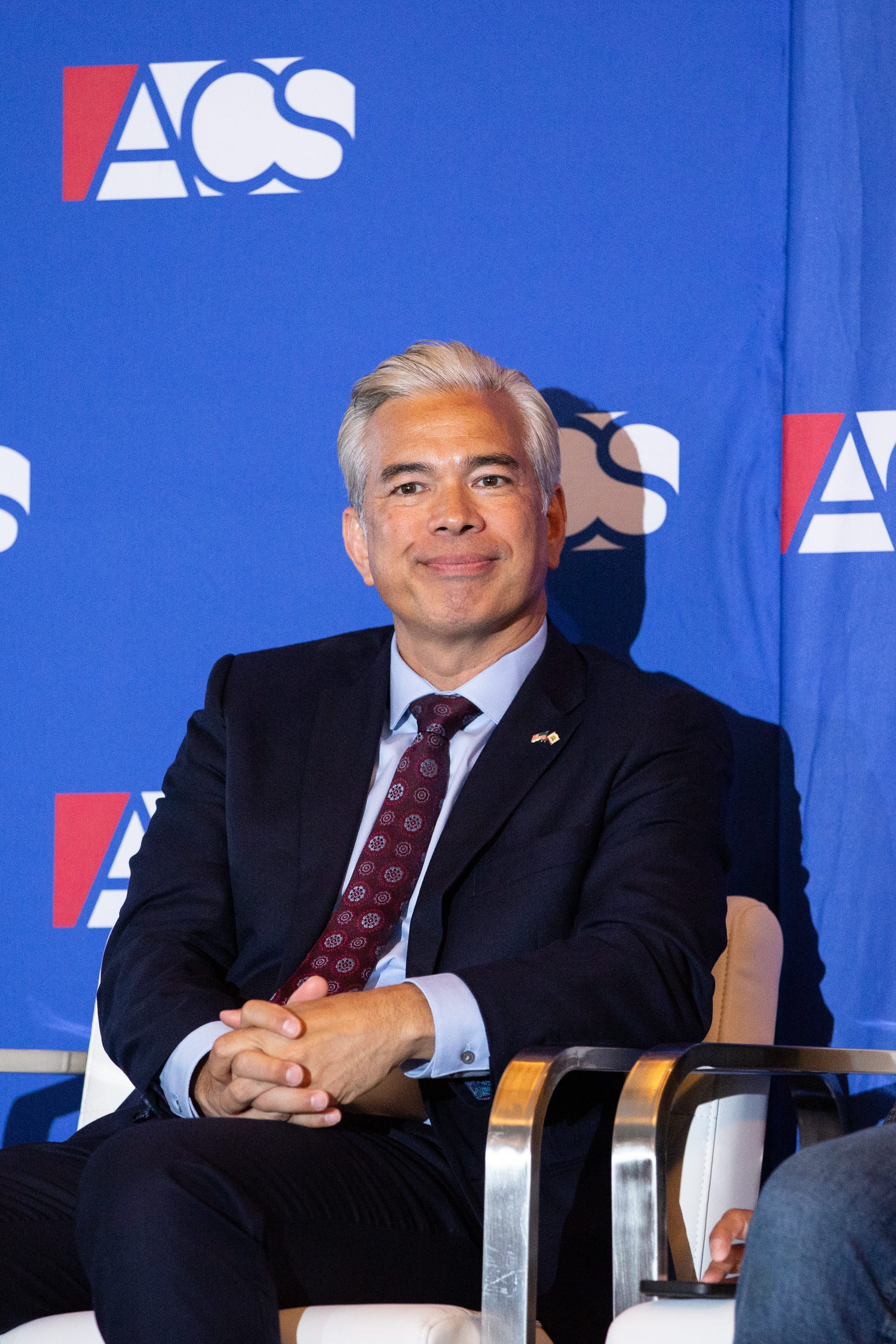
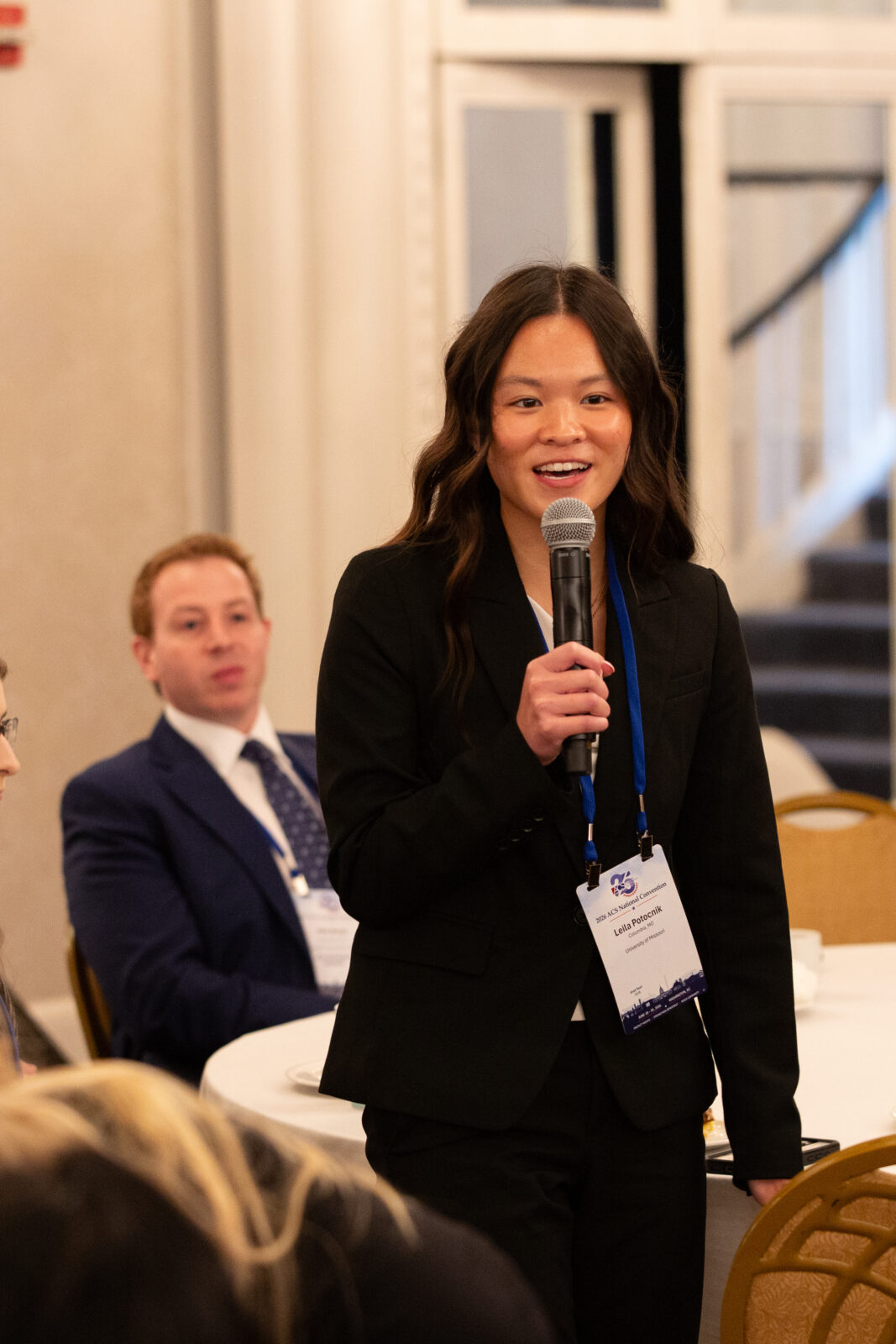
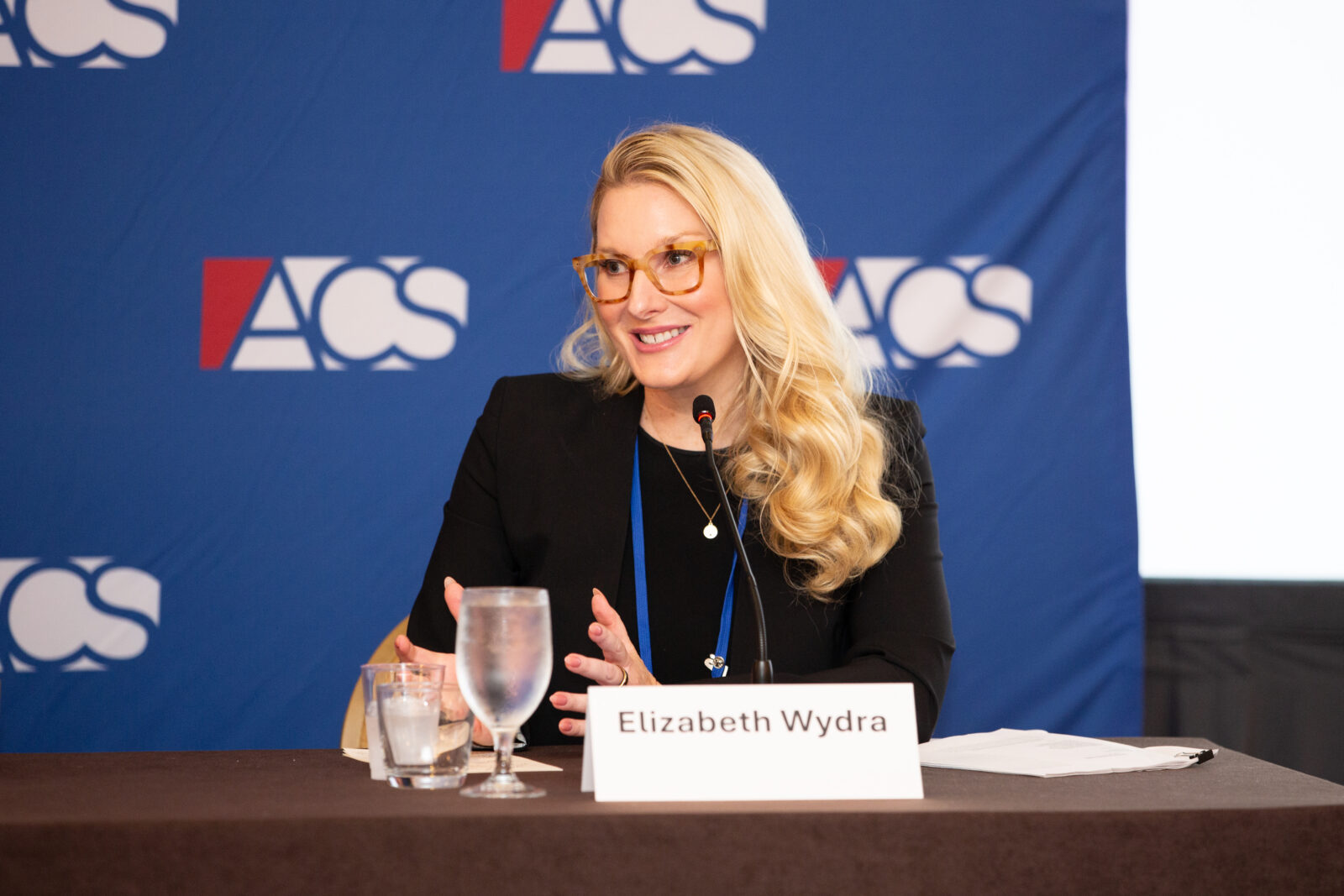
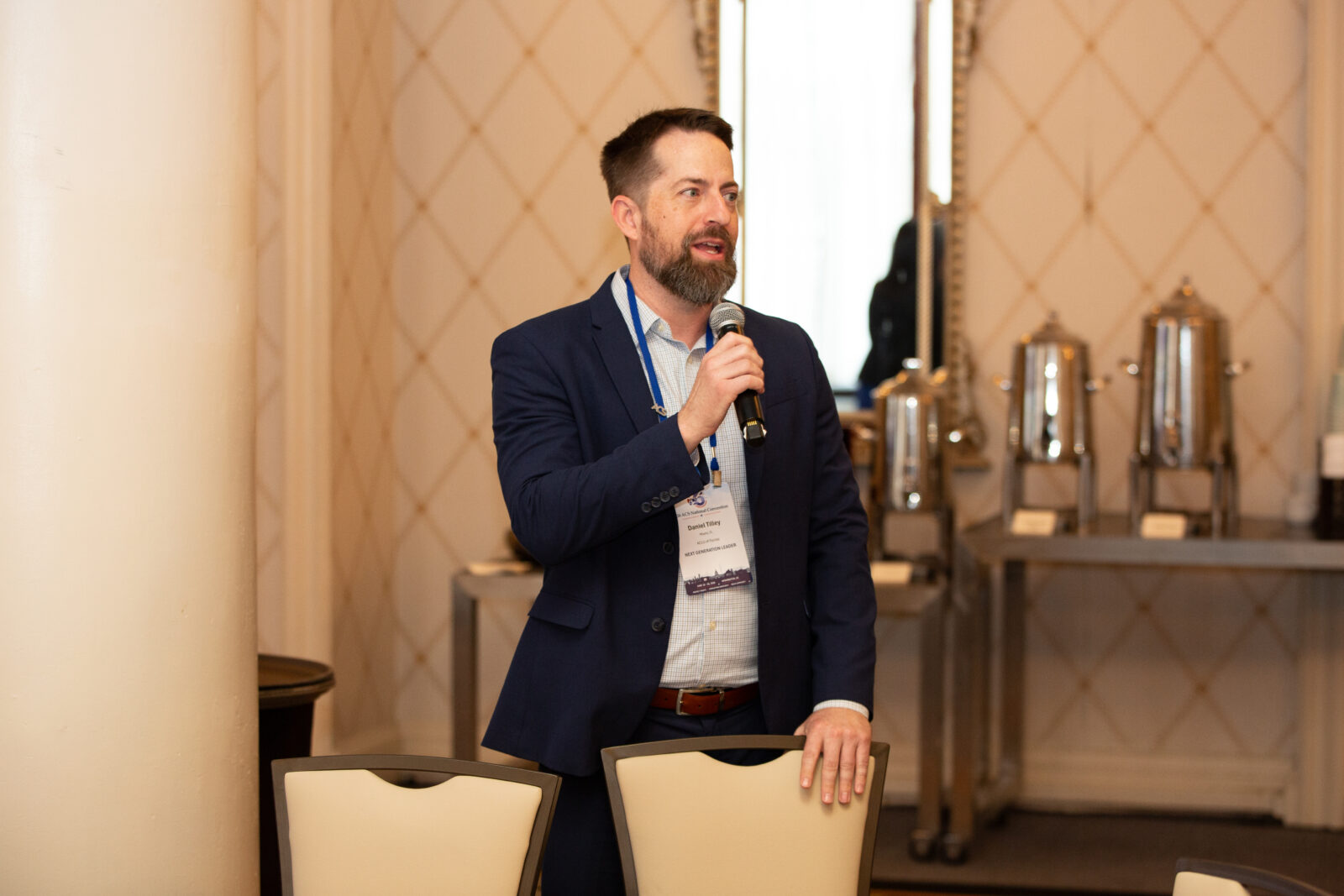
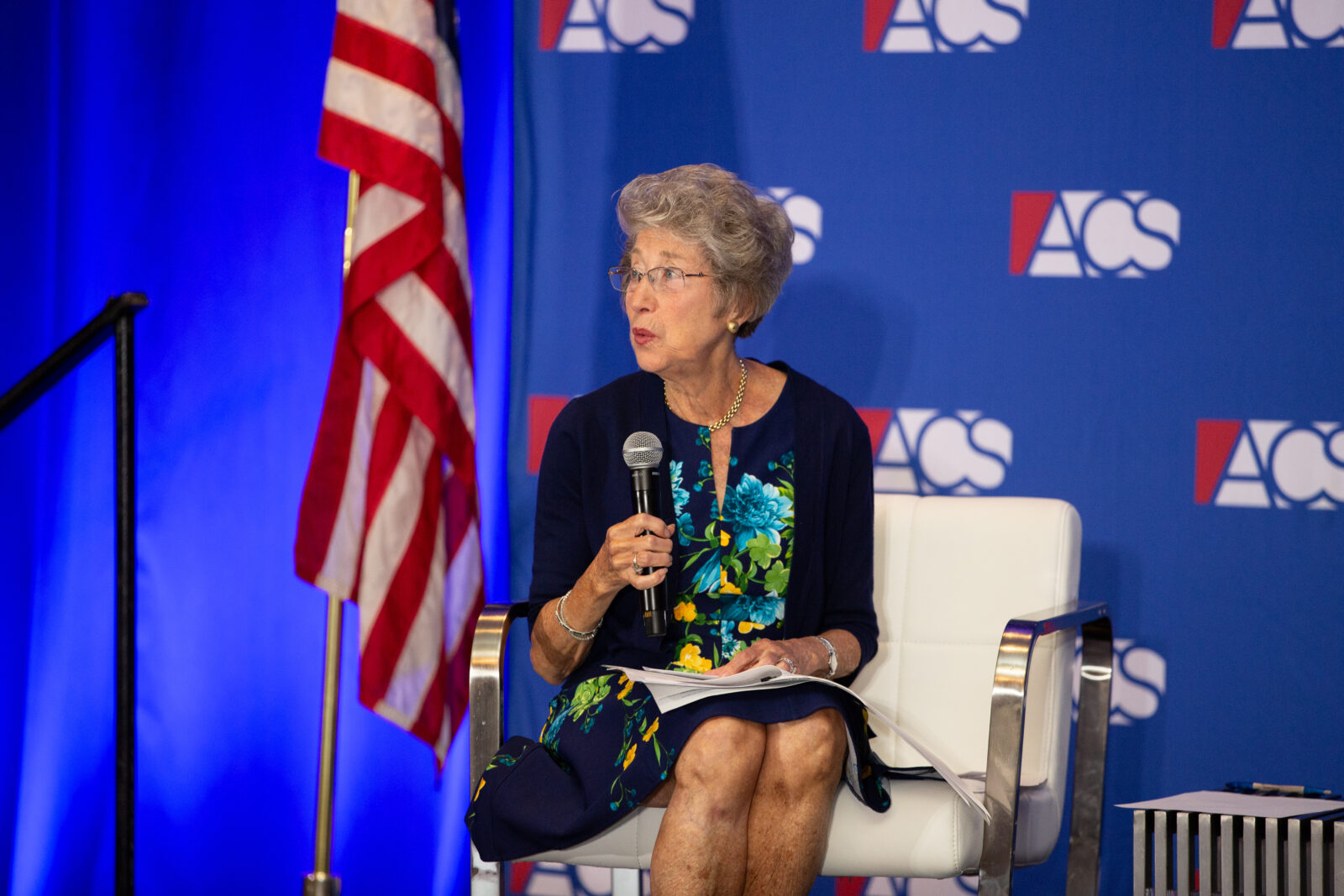
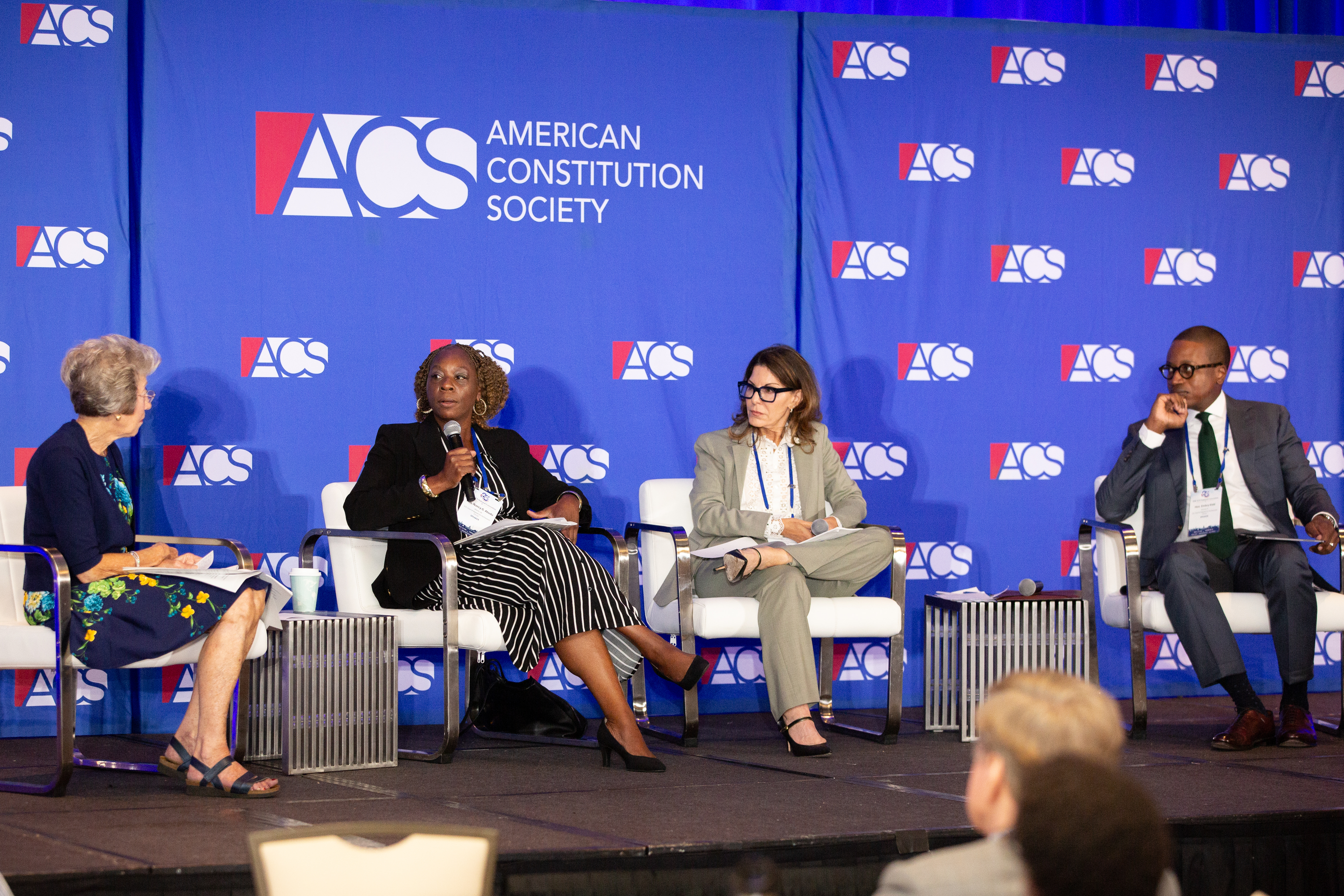

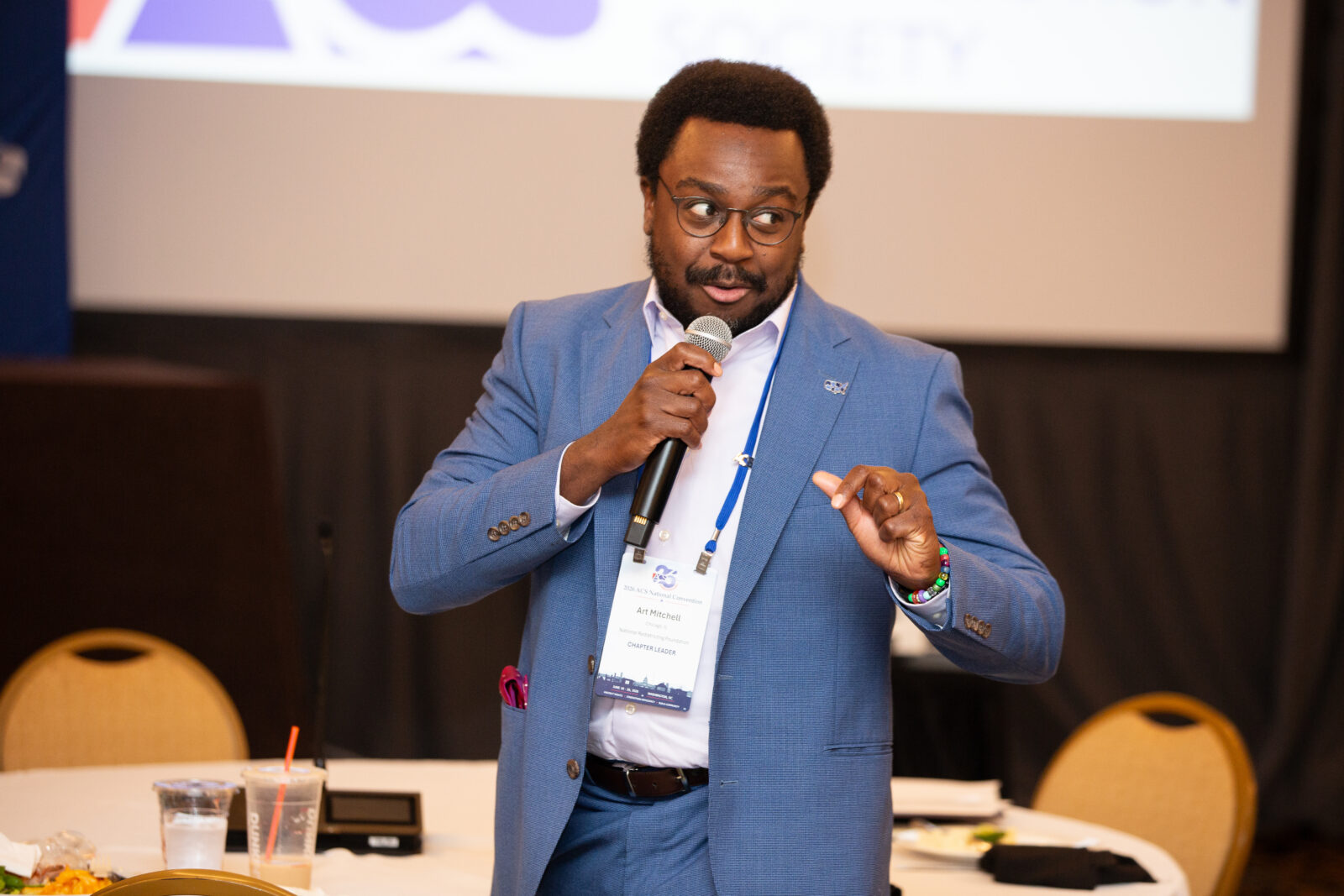
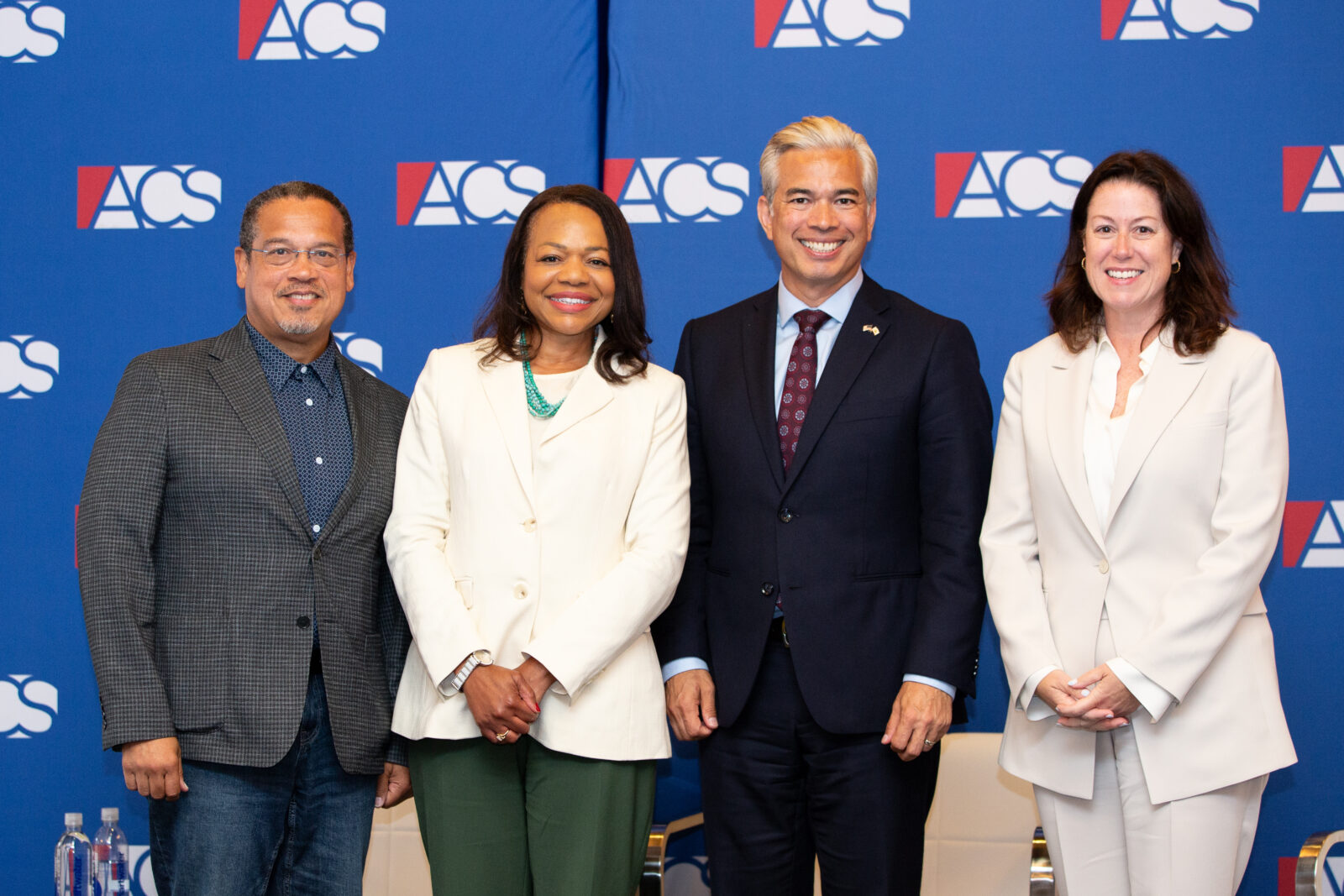

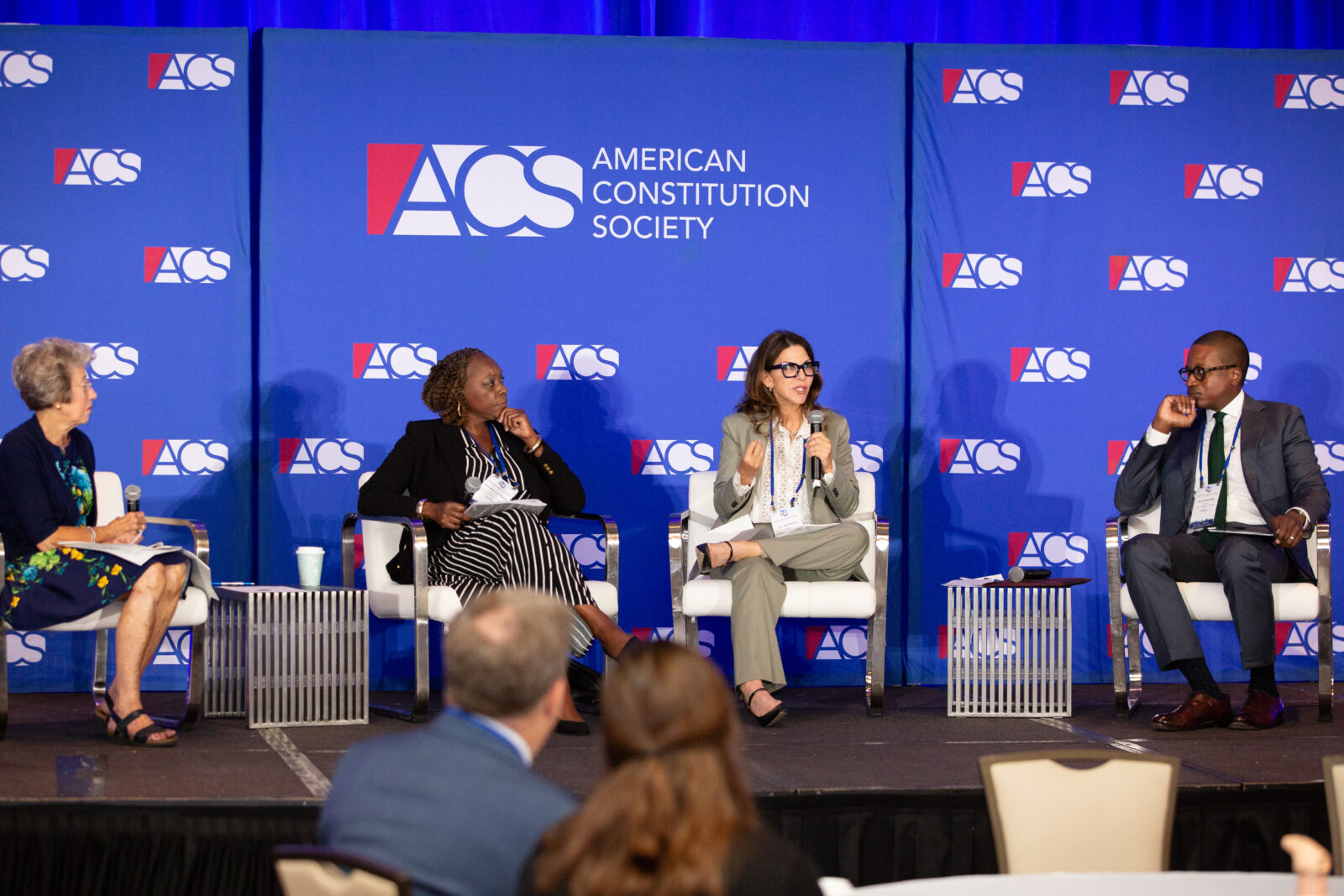
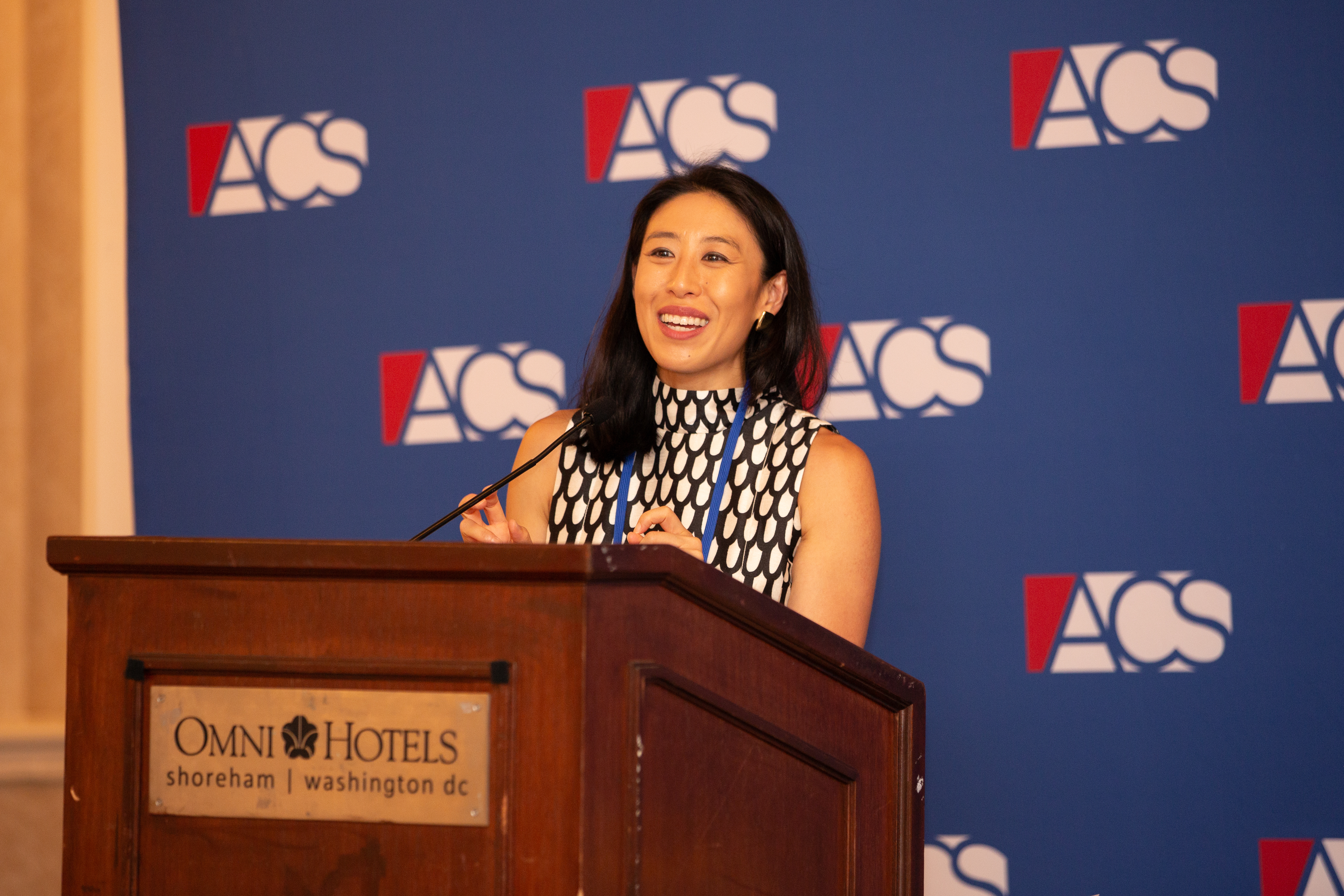
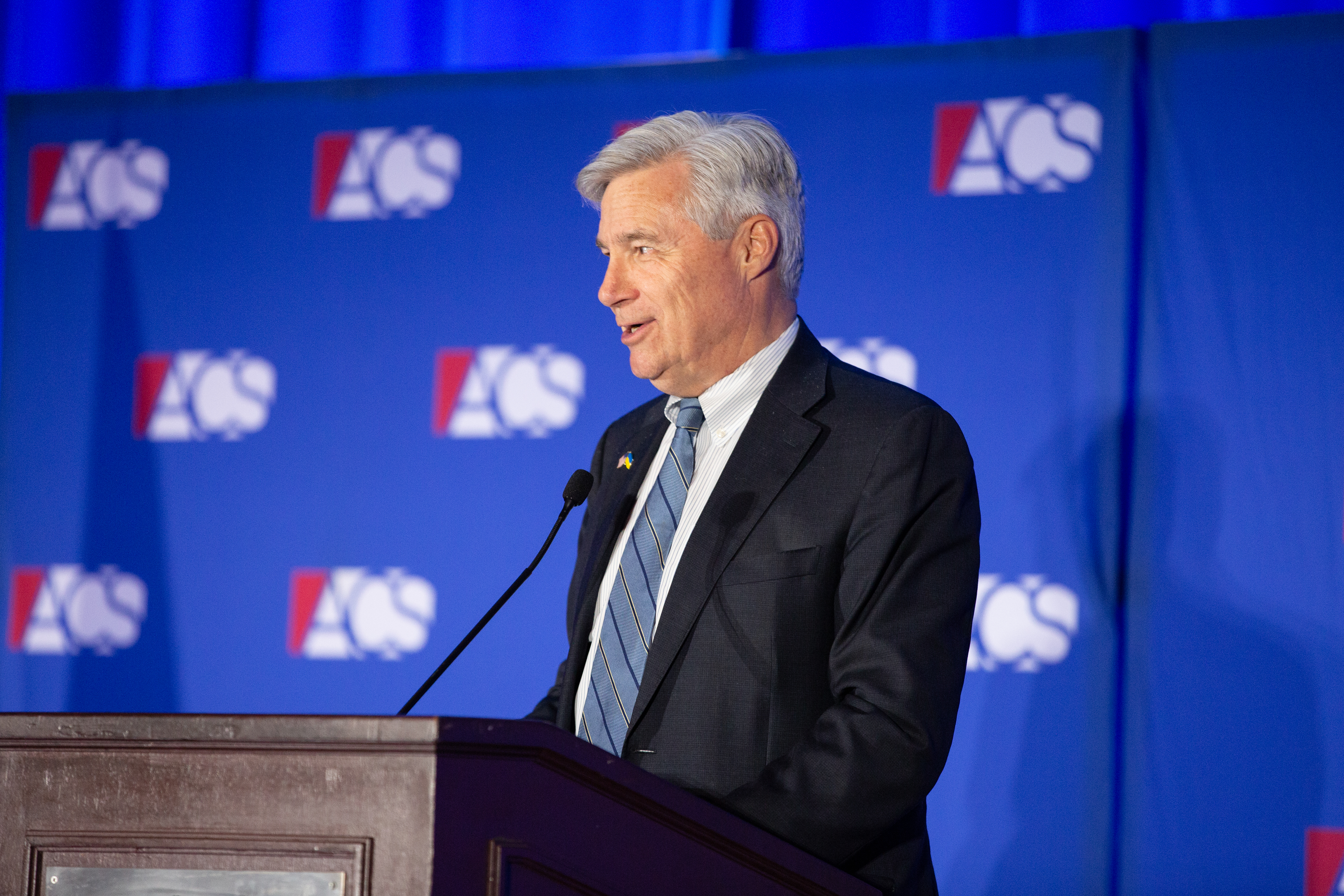
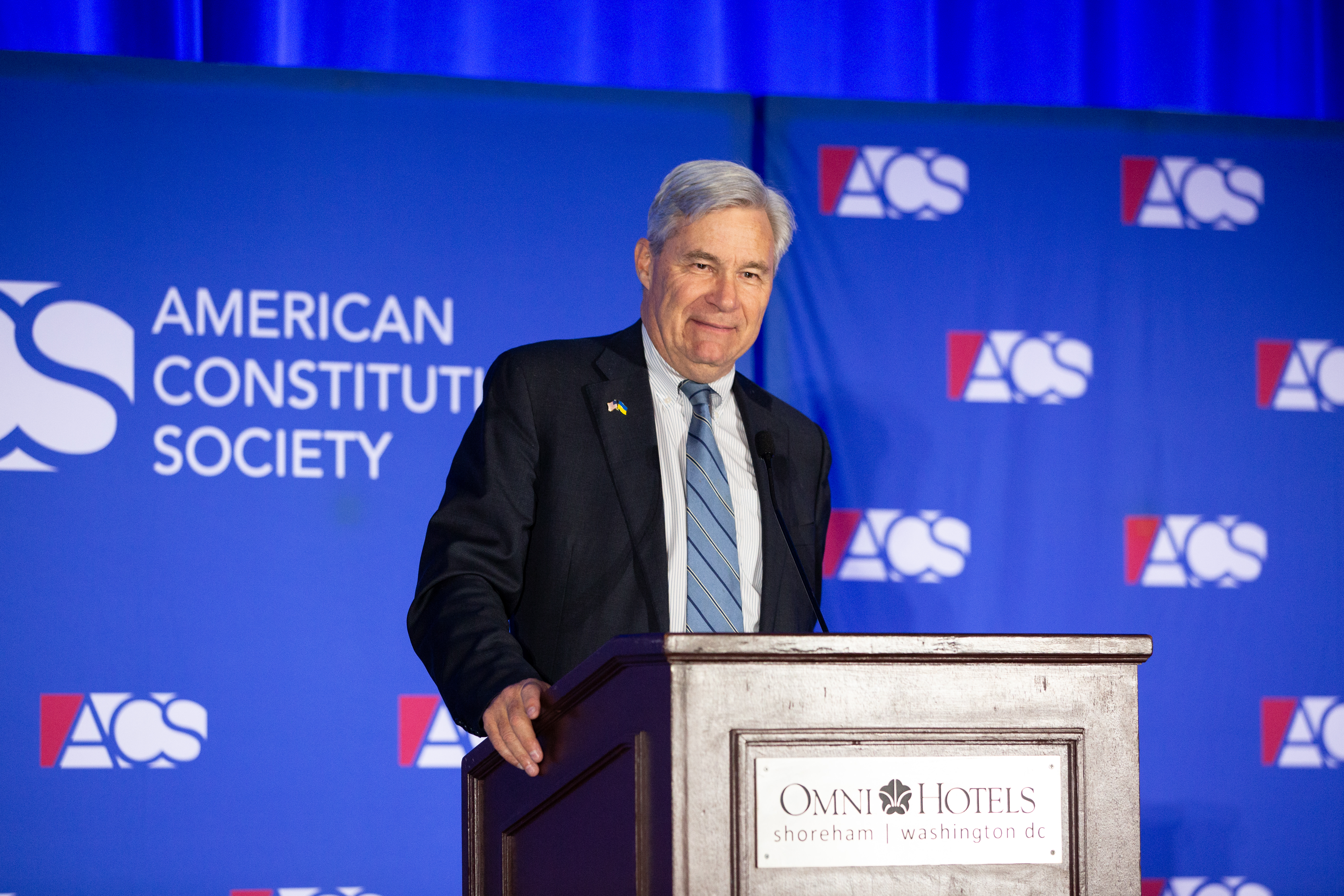
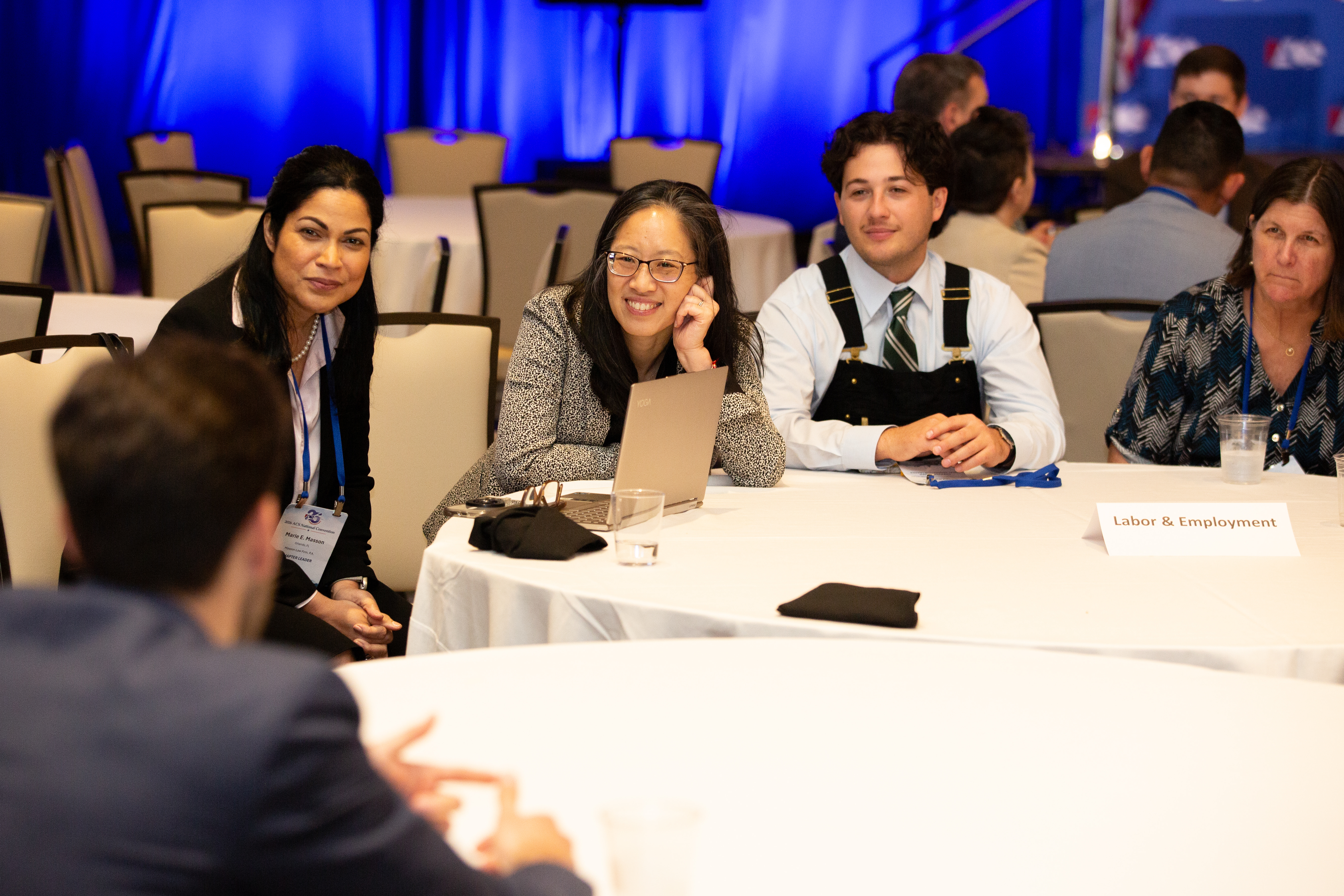
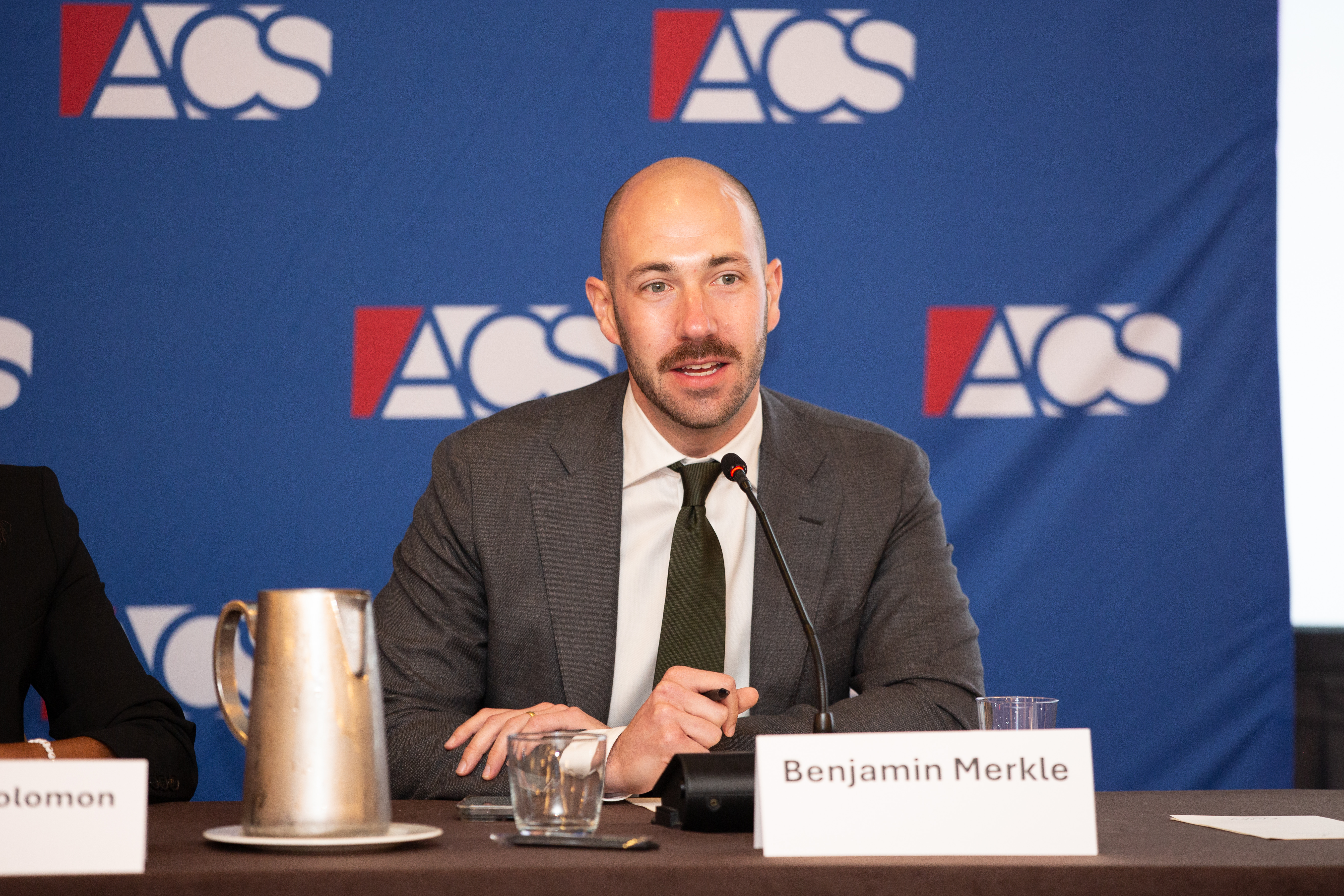
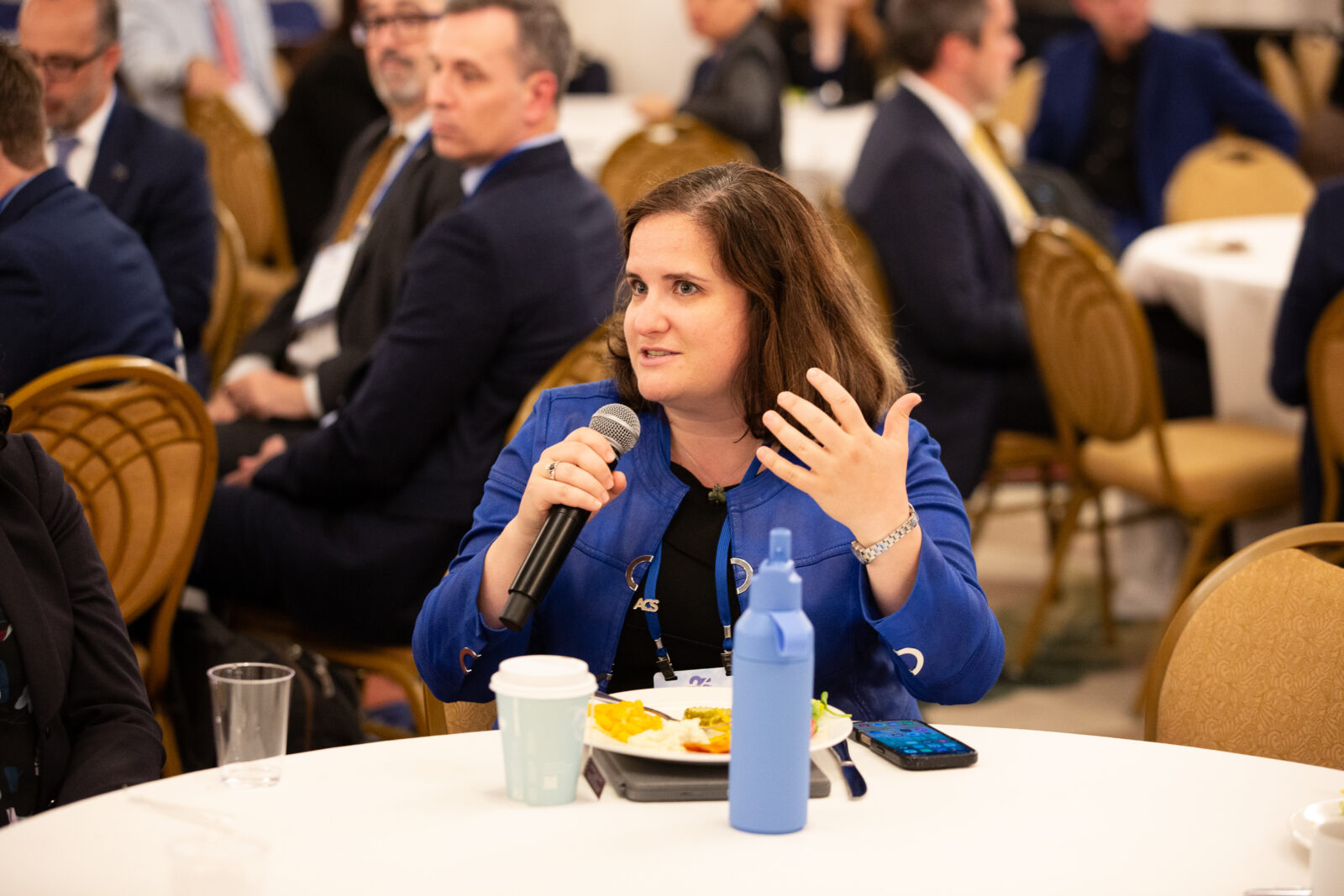
Featured Speakers

Awards
Lifetime Achievement Award
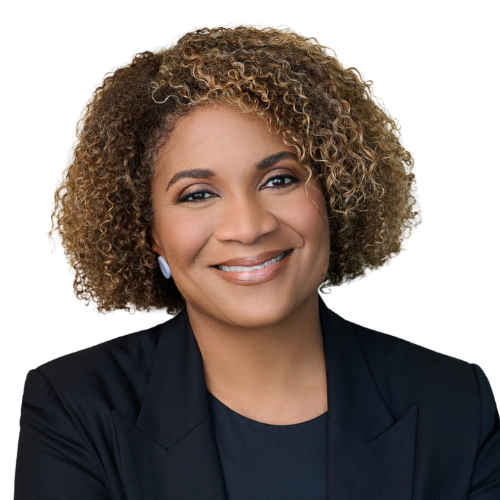
The Richard D. Cudahy Writing Competition on Regulatory and Administrative Law
Lawyer Winner
Unsettling the Presidency


Over the course of President Trump’s second term, observers have widely noted how the current administration has not only consolidated executive power but also encroached upon Congressional powers. However, little discussion has centered around the Trump Administration’s efforts to seize judicial power. In Unsettling the Presidency, Litman, Murray, and Shaw explore how Trump has utilized the powers of the courts to fashion the presidency into an office where “all constitutional power resides.” Litman, Murray, and Shaw describe how Trump has used both litigation and “ersatz legal processes” to silence critics and further boost executive power.
Student Winner
Redefining Program Integrity: Protecting Consumers and Systems in the Affordable Care Act Marketplaces

Rachael Totz
3L,
University of Pennsylvania Carey Law School
3L,
University of Pennsylvania Carey Law School
In Redefining Program Integrity: Protecting Consumers and Systems in the Affordable Care Act Marketplaces, Totz dives into unauthorized plan switches and enrollments, common problems plaguing Affordable Care Act marketplaces, which have come at a high price for consumers. These unauthorized switches and enrollments suggest deep failures in the system, particularly in misconceptions related to health benefit program integrity. Totz argues that ACA marketplaces must be assessed through a “consumer protection lens,” connecting consumers to affordable insurance while also ensuring that their rights are protected.
Thursday, June 18, 2026
4:30 to 5:45 p.m. — Ambassador Ballroom
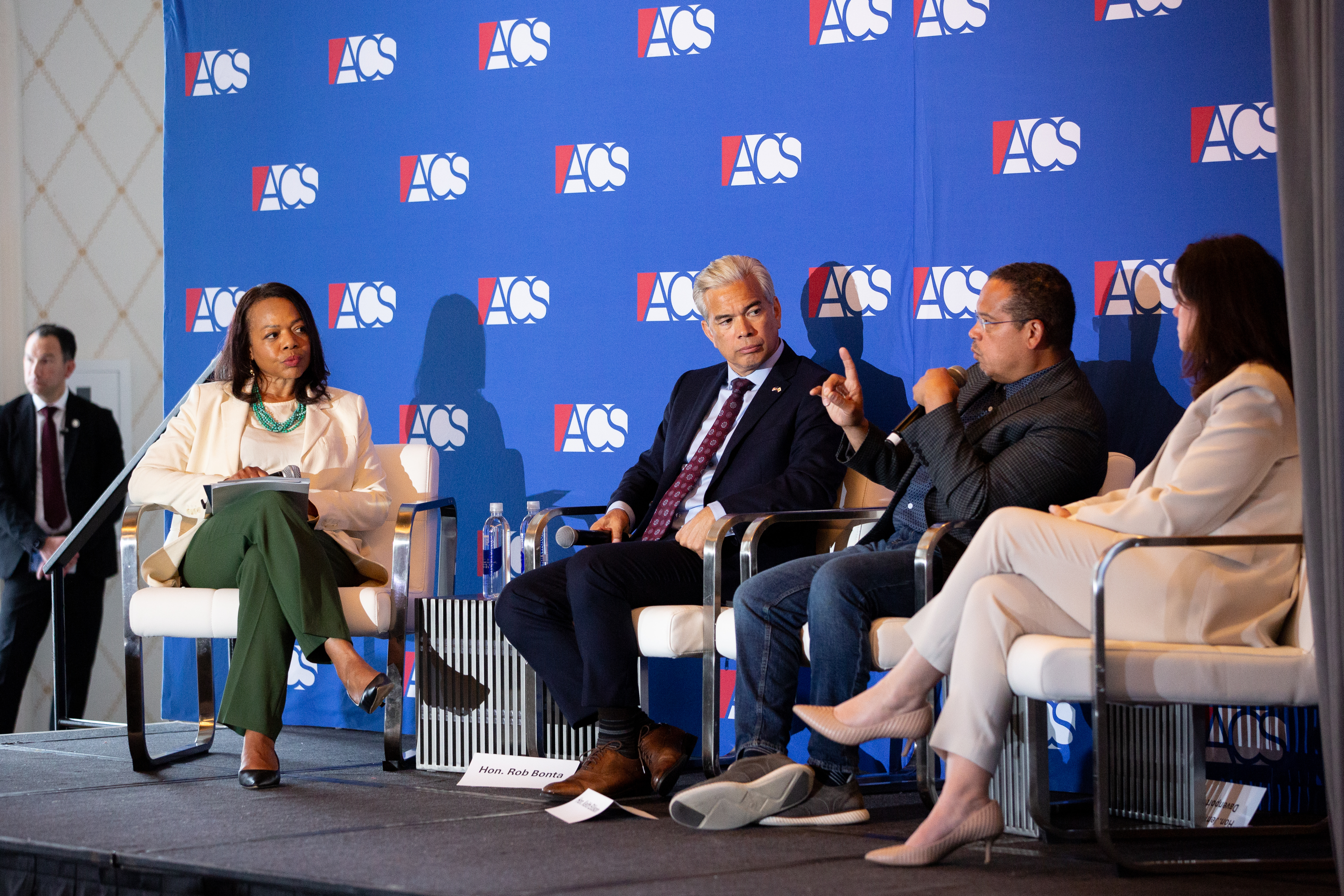
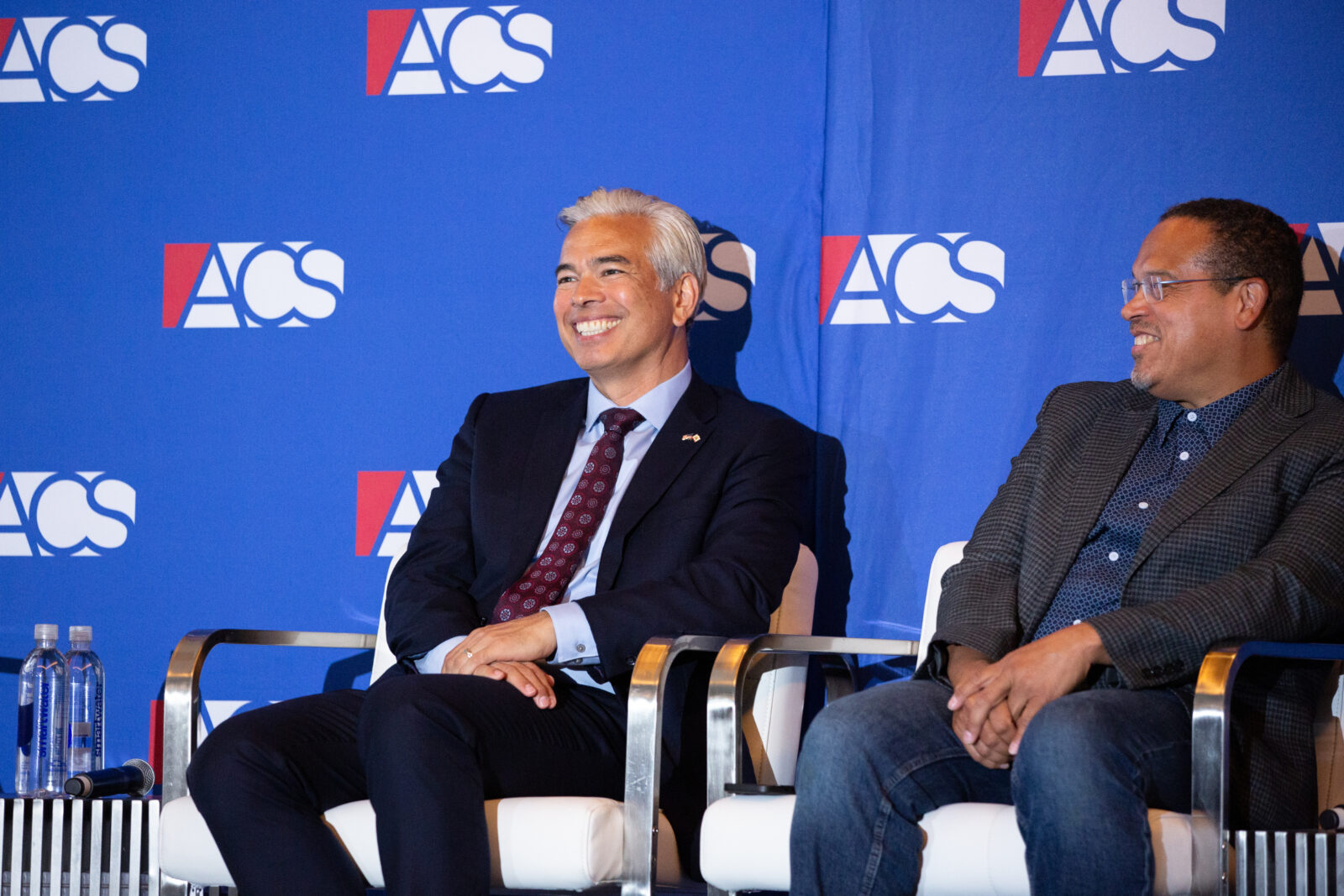
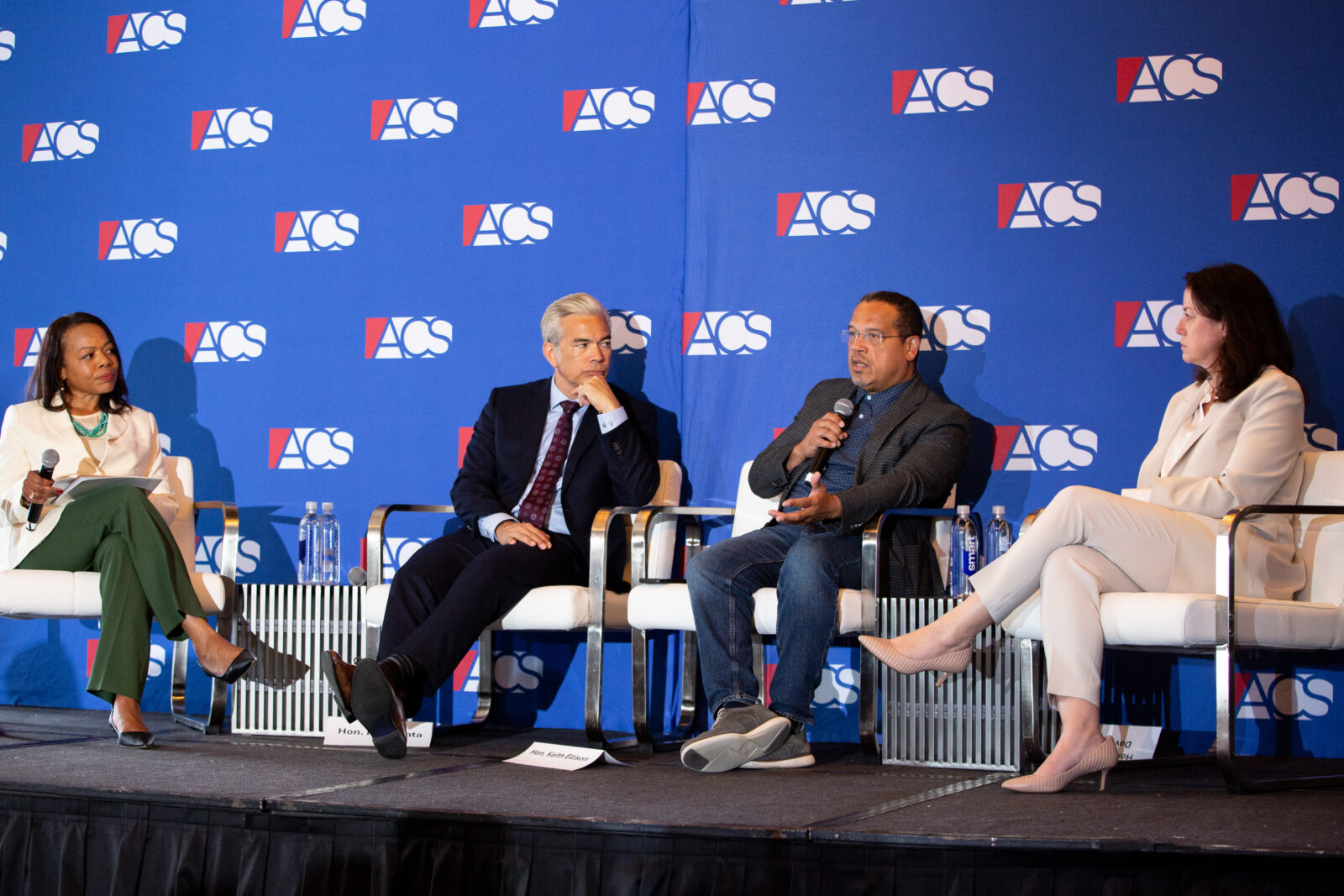
Defending the Rule of Law: The Role of State Attorneys General
With the President of the United States and the U.S Department of Justice asserting authority and making legal arguments at odds with the Constitution and federal law, state attorneys general have stepped into the breach to defend the rule of law and individual rights. Representing the interests of their states, state attorneys general—together and individually—have filed more than 100 lawsuits in the last year-and-a-half to prevent the termination of funding for universities, scientific research, and health programs, defend birthright citizenship, seek an end to the deployment of the National Guard in U.S. cities, and more. They have also worked within their states to secure the rights of their states and people both from federal overreach and regressive state and local policies. What are the current challenges and opportunities for state attorneys general working to defend the rule of law? What challenges are coming down the pike? And how can people outside attorney general offices support this work?
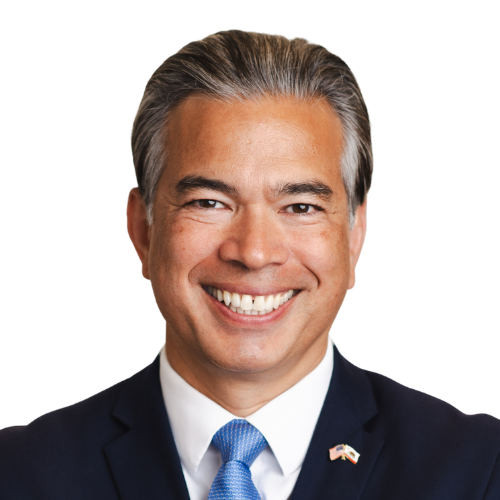
Rob Bonta
California Attorney General
California Attorney General
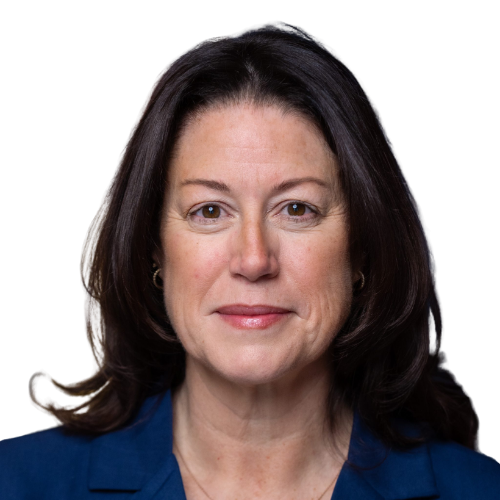
Jennifer Davenport
New Jersey Attorney General
New Jersey Attorney General
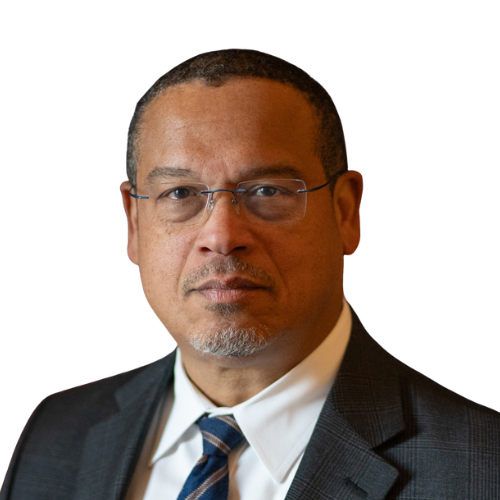
Keith Ellison
Minnesota Attorney General
Minnesota Attorney General
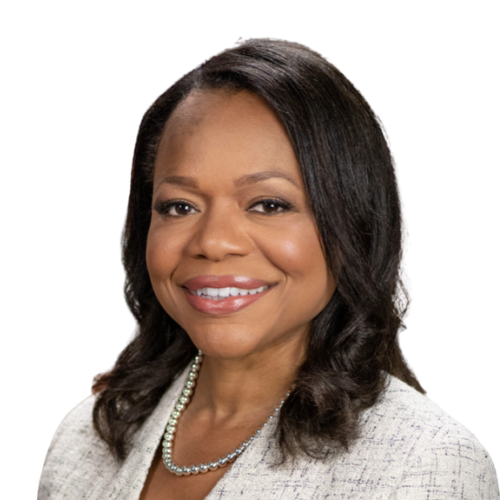
Kristen Clarke
(Moderator)
Former Assistant Attorney General for Civil Rights, U.S. Department of Justice
(Moderator)
Former Assistant Attorney General for Civil Rights, U.S. Department of Justice
Friday, June 19, 2026
9:30 to 10:45 a.m. — Regency Ballroom
The Imperial Presidency
Checks on executive power have become fully unbalanced, with boundaries and guardrails overrun daily. Congressional leadership unwilling to challenge a president of their own party and an enabling Court have thus far proven largely uninterested in reining in a president who openly defies constitutional and legal constraints on his power. What can be done now to curb executive power and rebalance our branches of federal government? What does accountability look like? How can we avoid such constitutional crises in the future?

Harold Hongju Koh
Sterling Professor of International Law, Yale Law School
Sterling Professor of International Law, Yale Law School
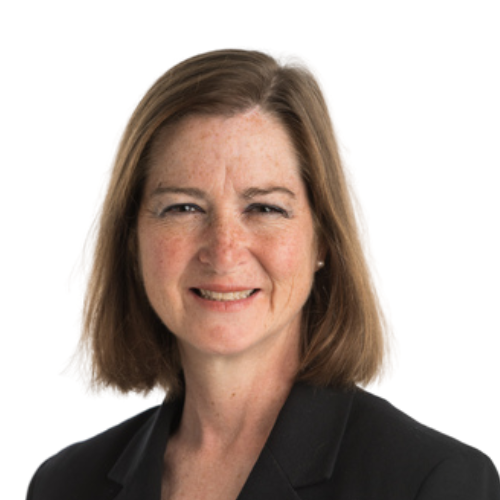
Barbara McQuade
Professor from Practice, University of Michigan Law School
Professor from Practice, University of Michigan Law School
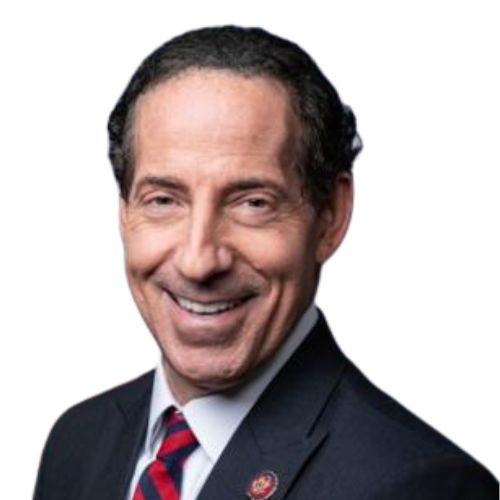
Hon. Jamie Raskin
Member, U.S. House of Representatives for the 8th District of Maryland
Member, U.S. House of Representatives for the 8th District of Maryland
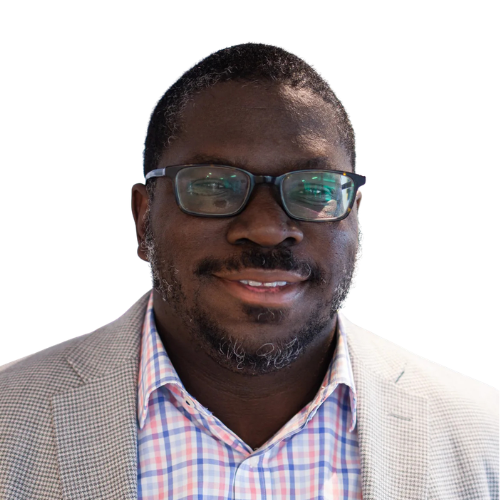
Donald Sherman
President and Chief Executive Officer, Citizens for Responsibility and Ethics in Washington
President and Chief Executive Officer, Citizens for Responsibility and Ethics in Washington

11:00 a.m. to 12:00 p.m. — Empire Ballroom
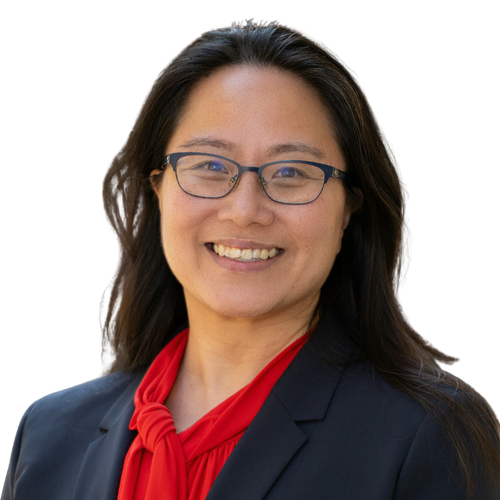
Local Counsel as the Legal Vanguard
At a time when political and policy fights have become nationalized, state and local counsel have served a critical role in responding to government overreach at every level. As individuals and organizations have been targeted by state and federal actors with sham investigations, maligned with accusations of terrorism or treason, and had their First Amendment rights trampled, they have turned to attorneys in their communities to defend themselves and their work from such brazen attacks. What lessons have been learned by these advocates on the front lines? What work is being done to respond to the moment and prepare for future fights? What can be done to support and bolster this important piece of legal infrastructure?



11:00 a.m. to 12:00 p.m. — Ambassador Ballroom
Juneteenth and the Reconstruction Amendments: Pulling the Arc Towards Justice
What does Juneteenth signify today? What lessons can we take from Juneteenth to combat the rise in white nationalism, the actions the current Administration has taken to erase Black historical narratives and the stories of marginalized communities, and the regressive actions of this Court? How do we use the Second Founding and the Reconstruction Amendments to build a more democratic and equitable future? Through this panel, our legal experts will apply the lens of the Reconstruction Amendments and the promise of Juneteenth to the areas of labor, criminal justice, and bodily autonomy, and discuss how we extrapolate this lens even further to build a more just future.


Michele Goodwin
Linda D. & Timothy J. O’Neill Professor of Constitutional Law and Global Health Policy,
Georgetown Law School; Chair-Elect ACS Board of Directors
Linda D. & Timothy J. O’Neill Professor of Constitutional Law and Global Health Policy,
Georgetown Law School; Chair-Elect ACS Board of Directors
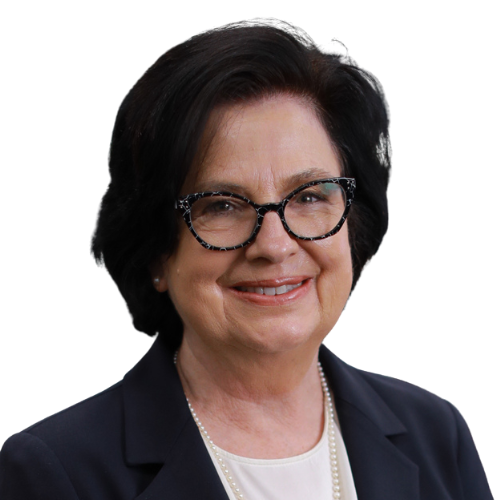
Rebecca Zietlow
Dean, Distinguished University Professor, the Charles W. Fornoff Professor of Law and Values,
The University of Toledo College of Law
Dean, Distinguished University Professor, the Charles W. Fornoff Professor of Law and Values,
The University of Toledo College of Law
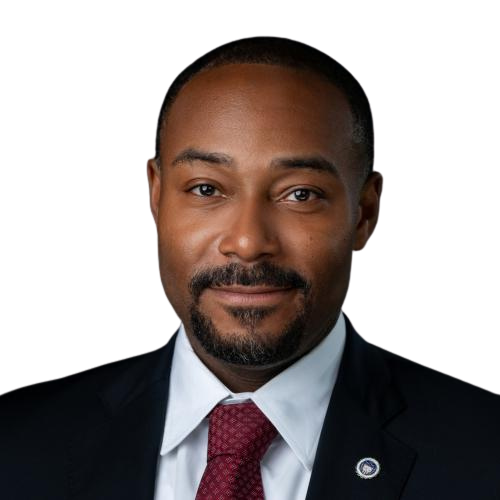
Justin Hansford
(Moderator)
Professor of Law, Howard University School of Law
Executive Director, Thurgood Marshall Civil Rights Center
(Moderator)
Professor of Law, Howard University School of Law
Executive Director, Thurgood Marshall Civil Rights Center
11:00 a.m. to 12:00 p.m. — Regency Ballroom
Ensuring Judicial Independence and Security
There is no rule of law without an independent judiciary. In recent years, sitting and retired federal judges have sounded the alarm on many of the threats facing our judiciary – from defiance of lawful judgments to disinformation campaigns to threats of impeachment and violence. What form are these threats taking and how are they experienced by federal judges? What can the legal profession do to restore trust in our courts and defend judicial independence even as certain courts issue rulings or conduct their affairs in ways we may disagree with? What can be done to protect judges from undue political threats from the executive and legislative branches as well as the increasing number of physical threats they are facing?
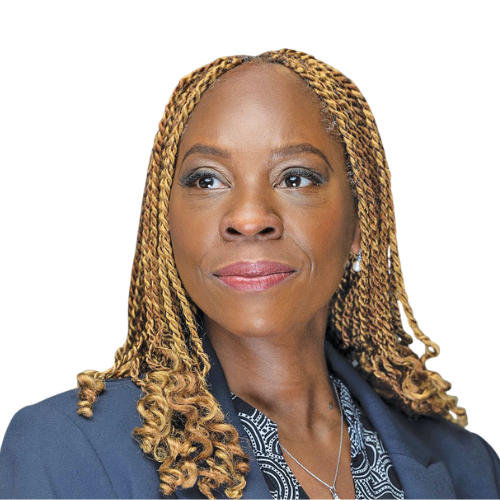
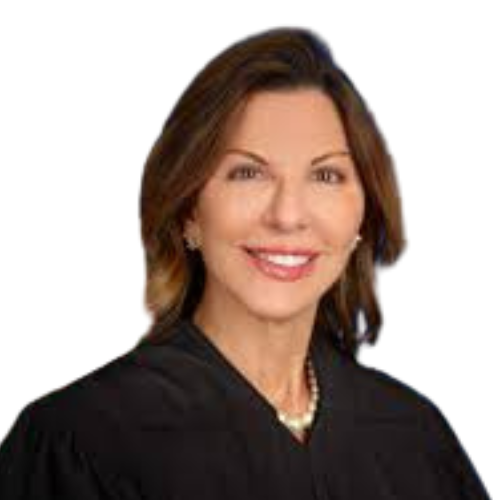
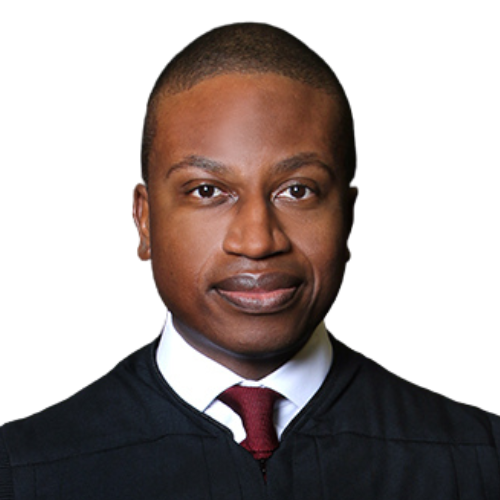

Hon. Shira Scheindlin
(Moderator)
U.S. District Judge, Southern District of New York (retired)
Of Counsel, Boies Schiller Flexner
(Moderator)
U.S. District Judge, Southern District of New York (retired)
Of Counsel, Boies Schiller Flexner
1:30 p.m. to 2:30 p.m. — Empire Ballroom
Mobilize for Democracy: Volunteer this Election Year and Beyond
What can law students do to help defend democracy in this year’s elections? In this workshop geared towards law students, attendees will hear about nonpartisan voting rights and election-related volunteer opportunities. The discussion will cover election protection, serving as a poll worker, virtual and in-person opportunities, days of action, and the Election Day Class Cancellation project.

Nicholas Gothard
Senior National Coordinator, Election Protection,
Lawyers’ Committee for Civil Rights Under Law
Senior National Coordinator, Election Protection,
Lawyers’ Committee for Civil Rights Under Law


3:00 p.m. to 4:00 p.m. — Ambassador Ballroom
The Democratic Constitution: Recovering the True Meaning of Our Founding Charter
The Constitution, properly interpreted, is fundamentally committed to democracy. And yet, this democracy principle is almost entirely absent from the jurisprudential or popular constitutional discourse. To the contrary, for decades, the conservative legal movement has used the Constitution to degrade democracy, undermine efforts to remedy racial and gender inequality, and facilitate the concentration of economic and political power in the hands of a wealthy few. A conversation has emerged among scholars, lawyers, and movement leaders around a better way of understanding constitutional law and interpretation that starts with centering democracy as the Constitution’s animating principle. Where does the Constitution’s democracy principle come from? What do we gain by recovering the Constitution’s forgotten democratic commitments? And what do we need to do to make this vision a reality?

Matthew J. Ginsburg
General Counsel,
American Federation of Labor and Congress of Industrial Organizations (AFL-CIO)
General Counsel,
American Federation of Labor and Congress of Industrial Organizations (AFL-CIO)

Risa Goluboff
David and Mary Harrison Distinguished Professor of Law,
University of Virginia School of Law
David and Mary Harrison Distinguished Professor of Law,
University of Virginia School of Law



3:00 p.m. to 4:00 p.m. — Empire Ballroom
AI Regulation
For decades, technological advancement has outpaced regulation. This rhythm of innovation first, guardrails second has created a power dynamic that often leaves lawmakers playing catch-up and judges confronting complicated legal questions as technology collides with constitutional rights without the benefit of clear legislation or guidance. What reforms can be made to bring meaningful oversight and protections to tools powerful enough to reshape society? How can progressives approach regulating AI and other emerging technologies in a way that keeps pace with advancement? What should the regulations on AI look like and who should be responsible for enforcement? What would a public agenda for AI look like?


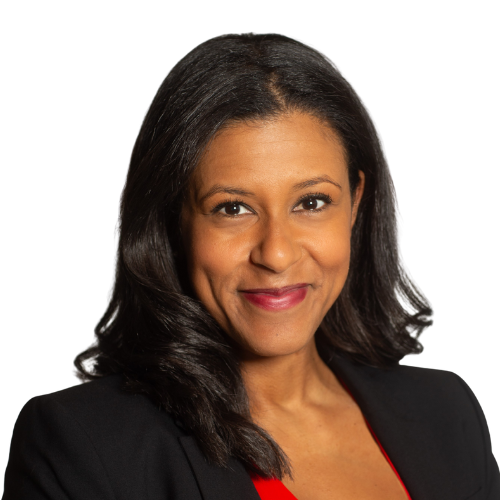

Asad Ramzanali
(Moderator)
Director of AI & Technology Policy,
Vanderbilt Policy Accelerator, Vanderbilt University
(Moderator)
Director of AI & Technology Policy,
Vanderbilt Policy Accelerator, Vanderbilt University
3:00 p.m. to 4:00 p.m. — Regency Ballroom
For the United States: Rebuilding Independence at the Department of Justice
The Department of Justice is in crisis. The bedrock principle of non-interference, once held sacrosanct by administrations of both parties, has been jettisoned. The Attorney General has directed the Department to represent the President and his agenda above all else. Thousands of attorneys and professionals have left or been forced out as leadership pursues personal and political grudges at the President’s open direction. What reforms can be instituted to restore the department’s independence? What can be done by Congress or outside organizations to bring oversight to the abuses taking place within the department? What can future administrations do to restore the Department’s professionalism and reputation?

Rupa Bhattacharyya
Legal Director,
Institute for Constitutional Advocacy and Protection
Georgetown Law
Legal Director,
Institute for Constitutional Advocacy and Protection
Georgetown Law
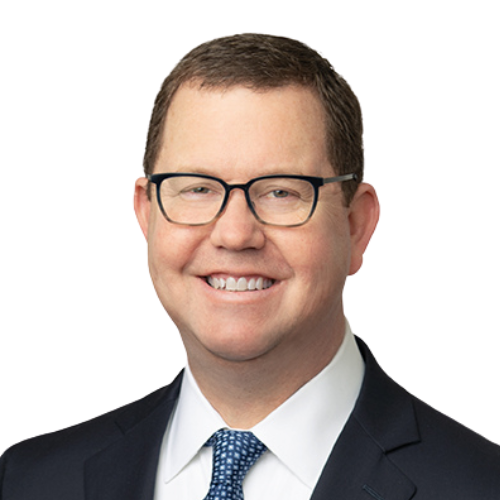
Stuart Delery
Partner, Gibson Dunn
Partner, Gibson Dunn


4:15 to 5:45 p.m. — Regency Ballroom
State Courts as Champions of Rights
For the last several years, progressives have increasingly turned to state courts and state constitutions to protect individual rights in a time of federal retrenchment and check the rapidly expanding overreach of the federal government. How has this pivot to the states been working and what could be done to strengthen these critical institutions? What should practitioners know as they navigate these dynamics?

Hon. Susan Crawford
Justice, Wisconsin Supreme Court
Justice, Wisconsin Supreme Court
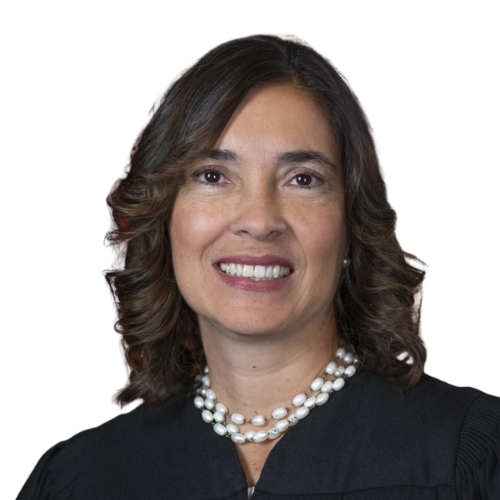
Hon. Anita Earls
Associate Justice, North Carolina Supreme Court
Associate Justice, North Carolina Supreme Court
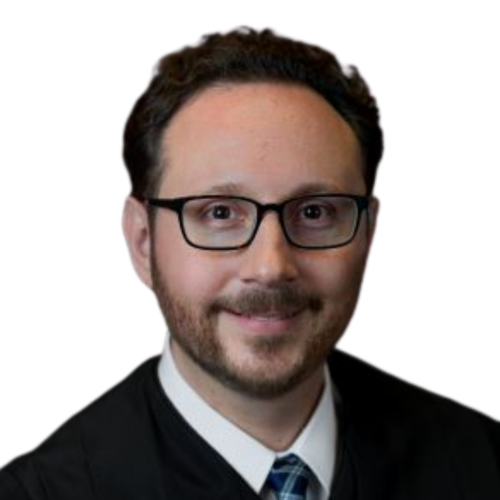
Hon. Karl Procaccini
Associate Justice, Minnesota Supreme Court
Associate Justice, Minnesota Supreme Court

Saturday, June 20, 2026
9:30 a.m. to 10:30 a.m. — Ambassador Ballroom
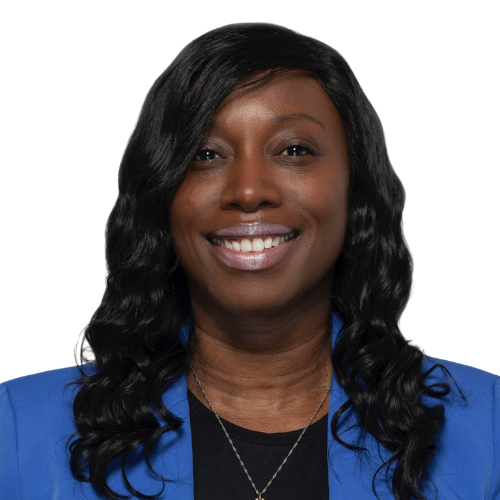
Bringing the Constitution to the Classroom
As Christian nationalists push to inject religion into public schools, ACS has released lesson plans on the Separation of Church and State and the U.S. Constitution to bring important civic education to primary and secondary students throughout the country. How can younger students most effectively engage with constitutional principles? What has worked best for volunteers in years’ past? This interactive workshop will empower participants to teach the Constitution in the Classroom curriculum in schools within their communities and bring the program to their chapter.

Catherine Gima
Senior Director of Legal Programs & Networking,
Americans United for Separation of Church and State
Senior Director of Legal Programs & Networking,
Americans United for Separation of Church and State

Rebecca Markert
Vice President and Legal Director,
Americans United for Separation of Church and State
Vice President and Legal Director,
Americans United for Separation of Church and State

9:30 a.m. to 10:30 a.m. — Diplomat Ballroom
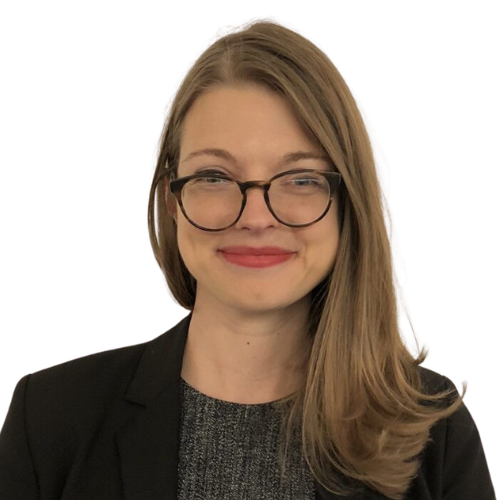
Voting Rights After Callais
For over a decade, the Roberts Court has whittled away the power of the Voting Rights Act of 1965 (VRA), one of the most successful pieces of civil rights legislation in our nation’s history. Now, pro-democracy proponents are regrouping after the Court’s demolition of the VRA in Louisiana v. Callais. How can meaningful political representation be achieved in the face of open hostility from a conservative supermajority on the Court? What does voting rights litigation look like in a post-VRA world? Are there meaningful reforms to be enacted at the local, state, or national level to mitigate the impact of the loss of Section 2?



11:00 a.m. to 12:30 p.m. — Regency Ballroom
Staying in the Fight
When we fight, we win. Across the country, progressive victories have been achieved in courtrooms, in city halls and state legislatures, on campuses, and in the streets through solidarity and a refusal to comply in advance with authoritarian tactics and pressure. What has worked and what else can be done? What role can lawyers and law students play in their communities and in their practice to defend the rule of law? At a time of growing frustration, how can we best engage with the fight for real reform while working within the system?


Schedule is subject to change.
Thursday, June 18
9:00 a.m.–12:00 p.m.
General Coffee/Tea Service
Empire Foyer
General Coffee/Tea Service
Empire Foyer
9:00 a.m.–10:00 p.m.
Quiet Room
Director’s Room
Quiet Room
Director’s Room
10:00 a.m.–12:00 p.m.
Student Retreat
Empire Ballroom
Student Retreat
Empire Ballroom
12:00–1:00 p.m.
Student Activity
National Portrait Gallery Atrium
Student Activity
National Portrait Gallery Atrium
1:00–3:00 p.m.
Lawyer Chapter Leader/Path to the Bench Working Group Meeting
Empire Ballroom
Lawyer Chapter Leader/Path to the Bench Working Group Meeting
Empire Ballroom
3:00–6:00 p.m.
General Coffee/Tea Service
Regency Gallery
General Coffee/Tea Service
Regency Gallery
3:30–8:00 p.m.
Registration & Help Desk Open
West Registration Desk
Registration & Help Desk Open
West Registration Desk
4:30–5:45 p.m.
Plenary Panel: Defending the Rule of Law: The Role of State Attorneys General
Ambassador Ballroom
Plenary Panel: Defending the Rule of Law: The Role of State Attorneys General
Ambassador Ballroom
5:45–6:45 p.m.
Welcome Reception
Regency Gallery & Ambassador Ballroom
Welcome Reception
Regency Gallery & Ambassador Ballroom
7:00–8:30 p.m.
Welcome Dinner
Regency Ballroom
Welcome Dinner
Regency Ballroom
Friday, June 19
7:30–9:15 a.m.
Next Generation Leaders Breakfast (by invitation only)
Ambassador Ballroom
Next Generation Leaders Breakfast (by invitation only)
Ambassador Ballroom
9:00 a.m.–12:00 p.m.
General Coffee/Tea Service
Regency Gallery
General Coffee/Tea Service
Regency Gallery
9:00 a.m.–6:00 p.m.
Registration & Help Desk Open
West Registration Desk
Registration & Help Desk Open
West Registration Desk
9:00 a.m.–6:00 p.m.
Quiet Room
Director’s Room
Quiet Room
Director’s Room
9:30–10:45 a.m.
Plenary Panel: The Imperial Presidency
Regency Ballroom
Plenary Panel: The Imperial Presidency
Regency Ballroom
11:00 a.m.–12:00 p.m.
Morning Breakout Sessions:
Morning Breakout Sessions:
– Local Counsel as the Legal Vanguard
Empire Ballroom
Empire Ballroom
– Juneteenth and the Reconstruction Amendments: Pulling the Arc Towards Justice
Ambassador Ballroom
Ambassador Ballroom
– Ensuring Judicial Independence and Security
Regency Ballroom
Regency Ballroom
12:15–2:00 p.m.
Practice Group Lunches
Ambassador & Regency Ballrooms
Practice Group Lunches
Ambassador & Regency Ballrooms
1:30–2:30 p.m.
Student Workshop: Mobilize for Democracy: Volunteer this Election Year and Beyond
Empire Ballroom
Student Workshop: Mobilize for Democracy: Volunteer this Election Year and Beyond
Empire Ballroom
2:45–5:45 p.m.
General Coffee/Tea Service
Regency Gallery
General Coffee/Tea Service
Regency Gallery
3:00–4:00 p.m.
Afternoon Breakout Sessions:
Afternoon Breakout Sessions:
– The Democratic Constitution: Recovering the True Meaning of Our Founding Charter
Ambassador Ballroom
Ambassador Ballroom
– AI Regulation
Empire Ballroom
Empire Ballroom
– For the United States: Rebuilding Independence at the Department of Justice
Regency Ballroom
Regency Ballroom
4:15–5:45 p.m.
Plenary Panel: State Courts as Champions of Rights
Regency Ballroom
Plenary Panel: State Courts as Champions of Rights
Regency Ballroom
5:45–6:05 p.m.
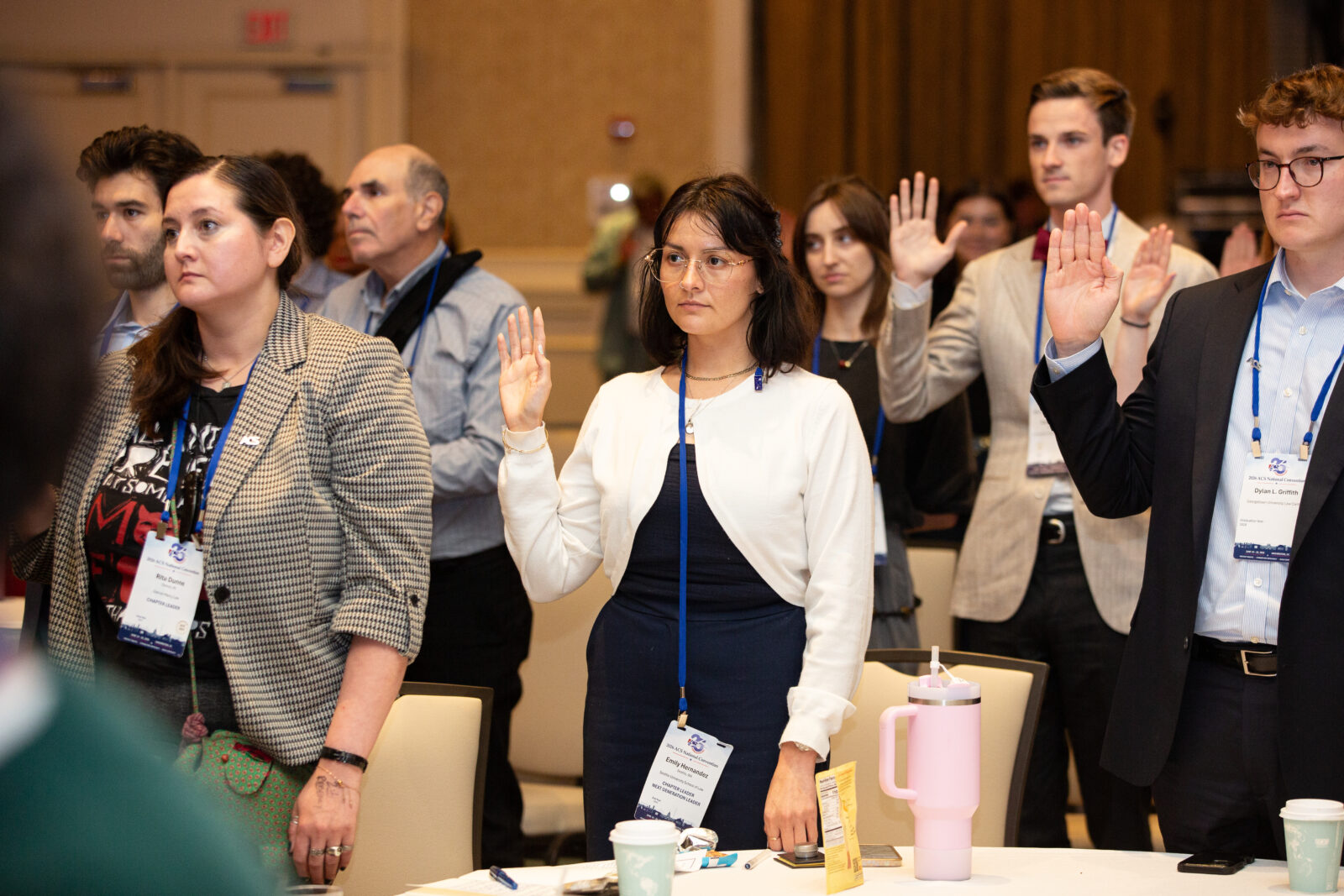
Oath Retaking Ceremony & Closing Remarks
Regency Ballroom
Oath Retaking Ceremony & Closing Remarks
Regency Ballroom
6:05–7:05 p.m.
Closing Reception
Empire Ballroom & Patio
Closing Reception
Empire Ballroom & Patio
7:30–9:30 p.m.
Happy Hour hosted by the Washington, DC Lawyer Chapter
Mission DuPont, 1606 20th Street NW, Washington, DC
Happy Hour hosted by the Washington, DC Lawyer Chapter
Mission DuPont, 1606 20th Street NW, Washington, DC
Saturday, June 20
8:30–9:15 a.m.
Ask Me Anything with ACS Student Leaders + Undergraduate Students
Empire Patio
Ask Me Anything with ACS Student Leaders + Undergraduate Students
Empire Patio
9:00 a.m.–12:00 p.m.
Registration & Help Desk Open
West Registration Desk
Registration & Help Desk Open
West Registration Desk
9:00 a.m.–1:00 p.m.
General Coffee/Tea Service
Regency Gallery
General Coffee/Tea Service
Regency Gallery
9:30–10:30 a.m.
Workshop: Bringing the Constitution to the Classroom
Ambassador Ballroom
Workshop: Bringing the Constitution to the Classroom
Ambassador Ballroom
9:30–10:30 a.m.
Breakout Session: Voting Rights After Callais
Regency Ballroom
Breakout Session: Voting Rights After Callais
Regency Ballroom
11:00 a.m.–12:30 p.m.
Plenary Panel: Staying in the Fight
Regency Ballroom
Plenary Panel: Staying in the Fight
Regency Ballroom
Learn more about sponsorship opportunities.
Become a sponsor »
Practice Group Sponsor





Benefactor






Collective Impact




Patron








If you have questions about sponsoring the 2026 ACS National Convention, please contact Carlye Gibson Rooney, Vice President of Development, via email at cgibsonrooney@acslaw.org.